
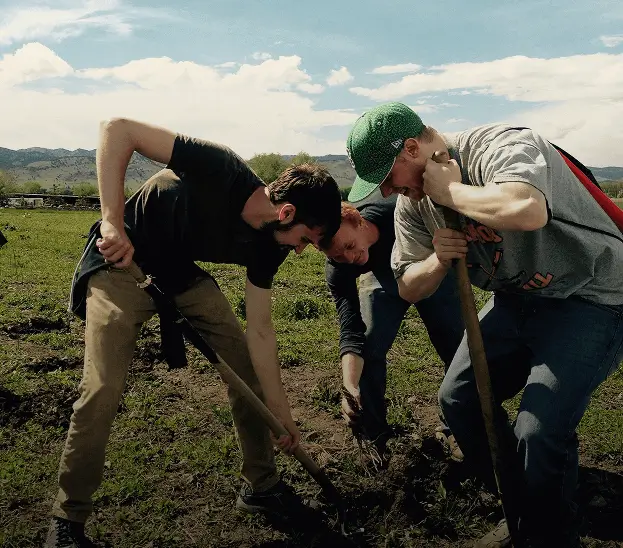
As part of our Austin and Boulder campus Culinary Arts programs, students participate in a 6-week course working alongside farmers & artisans who open their homes and hearts to share how food is grown and raised.
FARM TO TABLE® EXPERIENCE
Escoffier takes students beyond the kitchen to visit farms, ranches, & artisans—connecting students to the roots of food & the people who bring it to life.
Begin Your JourneyEnrich Your Culinary Education with Farm to Table®
Why Farm To Table® Matters
- Sustainable Food Knowledge
Get a hands-on look at how food is grown, raised, or harvested, and how these methods shape cuisine. - Community Impact
Support local producers and food systems while practicing sourcing methods directly with them. - Seasonal Menu Development
Turn freshly harvested ingredients into seasonal menus that adapt to what’s currently in season.
Farm To Table® Immersion Events for Online Students
- Join optional, in-person experiences designed to complement your online learning with real-world practice.
- Get your hands dirty with ingredient sourcing at local farms, ranches, orchards, vineyards, and artisan operations.
- No grades, just growth. These immersive events are not for credit, but they can offer insight, connection, and unforgettable hands-on learning.
SEE UPCOMING EVENTS
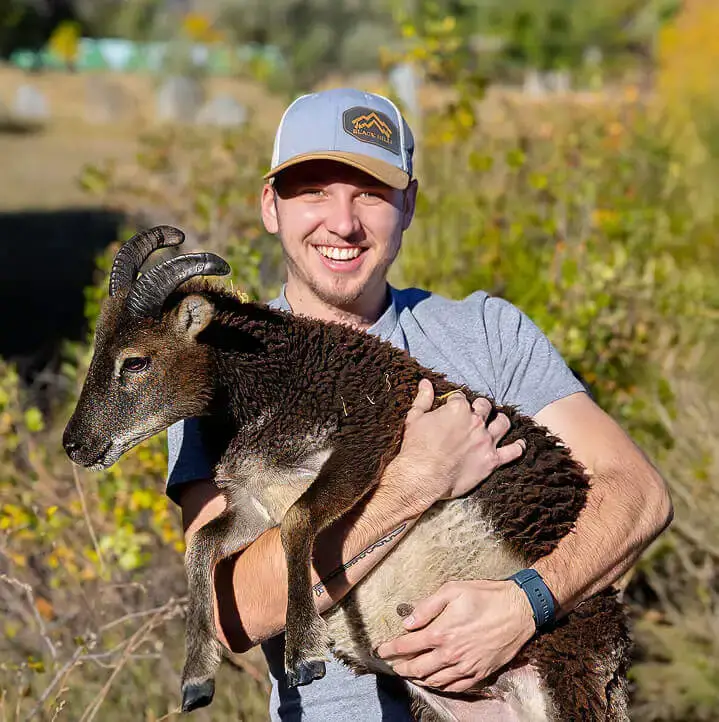
Harvest & Ingredient Collection
Collect or harvest foods from local farms or ranches with a professional grower. Depending on seasonality, ingredients may be brought back to the classroom or provided by a local purveyor for lab use.
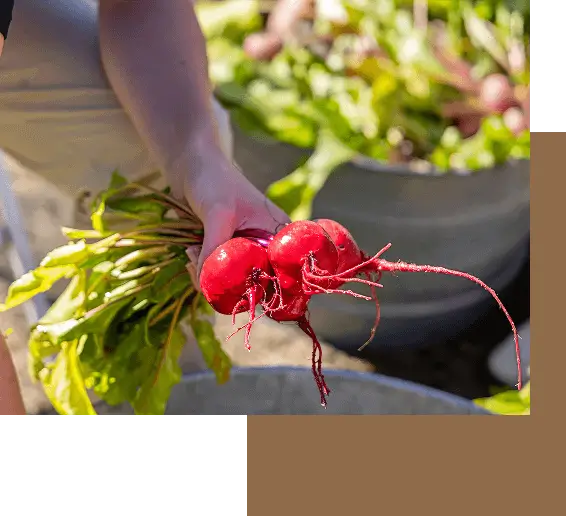
Sourcing & Sustainability
Explore a variety of farming methods, and how sourcing choices—land or sea-based, traditional or modern—affect both food quality and the planet.
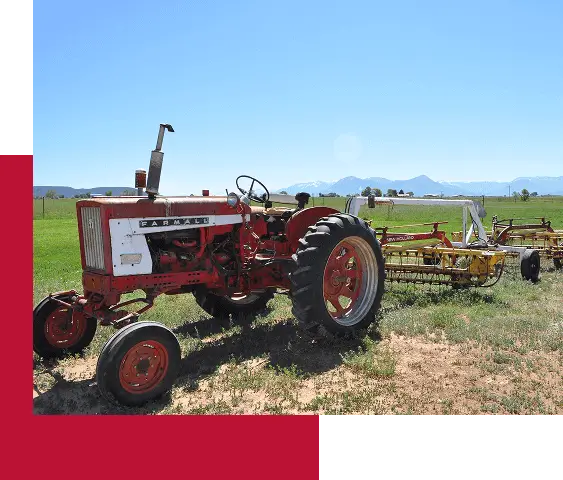
Execute a Catered Event
Participate in crafting a catered event using the harvested ingredients, tying together lessons from both the field and the kitchen.
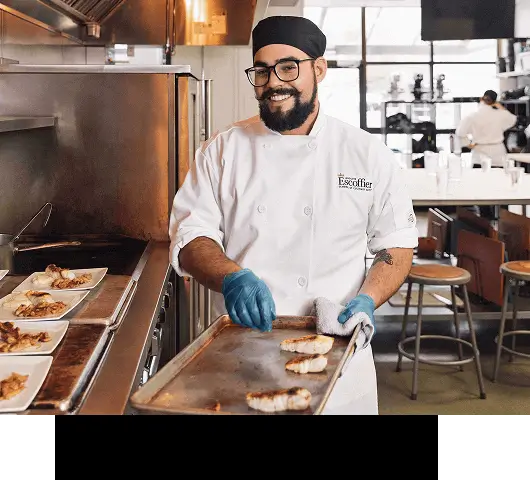
Explore the World of Sustainable Food Production*
Discover the dedication of family farmers and ranchers as you explore sustainable practices—from seeding and transplanting to hydroponics, hoop houses, and greenhouses.
Tend to chickens and gather eggs, milk goats or cows and process the fresh dairy into cheeses and butter in this portion of the experience.
We partner with a number
of local artisans so students can explore Farm To Table® with everything from homemade charcuterie and sausage making to brewing and more.
*A student may not participate in all of the farm activities presented due to time of year, location, and requirements for farmers and artisans.
What Sets Our Program Apart—In Their Own Words
*This information may not reflect every student’s experience. Results and outcomes may be based on several factors such as geographical region or previous experience.
Austin, Texas Farm To Table® Experience Partners

Boulder, Colorado Farm To Table® Experience Partners




To become one of our Farm To Table® Experience partners, contact:


BOULDER, CO
Chef Susan Kaiser Yurish
General Education Department Chair
(303) 494-7988[email protected]
Frequently Asked Questions About the Farm To Table® Experience
What is Escoffier’s Farm to Table® Experience?
The Farm to Table® Experience is a 6-week course where Austin and Boulder campus Culinary Arts students can work alongside local farmers, ranchers, and artisan producers to see firsthand how food is grown, raised, and crafted. Students may visit working farms and food operations, connecting directly to the roots of food systems and the people who bring it to life.
During this experience, students can explore sustainable farming practices, harvest seasonal ingredients, and practice sourcing methods alongside producers. They can then bring harvested ingredients back to the kitchen to create seasonal menus, tying together lessons from both the field and the professional kitchen. This hands-on approach can help students understand how food production methods shape cuisine and sustainability practices.
What can culinary students get from the Farm to Table® Experience?
Students can gain hands-on experience with every stage of food production—from harvesting vegetables and collecting eggs to milking goats and processing dairy into cheese. You might also learn charcuterie techniques from local artisans or explore different farming methods, from traditional practices to modern approaches like hydroponics.
These experiences can help you develop practical skills that could translate directly into professional kitchens. You might learn to think differently about sourcing, understand how seasonality affects menu planning, and grasp how sustainability choices impact both food quality and the planet. The experience involves participating in a catered event using harvested ingredients, bringing together everything learned in both the field and the kitchen.
Can online culinary students participate in the Farm to Table® Experience at Escoffier?
No, although Escoffier online culinary students can have the opportunity to participate in other farming-related experiences.
Online students in our Culinary Arts program can take the Farm to Table® kitchen course, which focuses on sustainability, farming and sourcing practices, and the evolving relationship between chefs and the farms, ranches, and other producers who help bring food to our tables. Students in the course may also receive a fresh produce shipment straight from a farm to help develop experience working with seasonal ingredients.
Online students can also join optional in-person Farm to Table® Immersion events. These aren’t for credit, but they can offer hands-on experiences like harvesting, planting, livestock care, dairy operations, cheesemaking, and more.
Why is a farm-to-table experience important for culinary students?
Understanding where food comes from and how it’s produced is important for modern culinary professionals. The Farm to Table® Experience addresses sustainable food knowledge by showing how growing and harvesting methods directly shape cuisine. This hands-on learning can help you make informed sourcing decisions in your future career.
You can also explore the importance of supporting local food systems and sourcing directly from producers—valuable skills as some consumers increasingly care about food origins. Working with seasonal ingredients can help you develop menus that adapt to what’s currently available, which can be a crucial skill in professional kitchens. By connecting students to farmers, ranchers, and artisans, this experience can bridge the gap between agricultural practices and culinary application.
What types of farms and food producers do culinary students visit?
Depending on the program, time of year, location, and other factors, students can visit a variety of food producers during the Farm to Table® Experience, including:
- Produce farms, where you can discover sustainable practices like seeding, transplanting, hydroponics, hoop houses, and greenhouses while working alongside family farmers and ranchers.
- Dairy farms, where you might tend chickens, gather eggs, milk goats or cows, and process fresh dairy into cheeses and butter.
- Fisheries, where you can learn about sustainable aquaculture practices and the journey from water to table.
- Artisan partners, including local producers who teach charcuterie and sausage making, brewing, and other traditional food crafts.
- Local purveyors, who carry farm-to-table products and can help students understand the food supply chain.
The specific farms and producers vary by location and season, but all experiences aim to connect students directly with the people who grow, raise, and craft the ingredients that professional chefs use daily.
Is the Farm to Table® Experience included in all Escoffier programs?
No, the 6-week Farm to Table® Experience course is specifically included in Culinary Arts programs at the Austin and Boulder campuses. It’s a required part of those programs, where students visit local farms, ranches, and artisan producers.
Online Culinary Arts students have a different option: the Farm to Table® kitchen course, with lessons focusing on sustainability, traditional and nontraditional farming, and the relationship between chefs and the farms, ranches, and other producers who help bring food to our tables. Online students can also participate in optional in-person immersion events for additional hands-on experience.
If you’re interested in how the Farm to Table® Experience fits into a specific program, speak with an Admissions representative to understand what’s included in your program of interest.