

Listen to This Article:
Steak and red wine, oysters and Champagne, blue cheese beside a glass of Port. Some food and wine pairings feel so classic that you may recognize them before you know why they work. But when you’re standing in a wine shop choosing a bottle for dinner or scanning a long restaurant wine list, memorizing a handful of famous matches only takes you so far.
Learning a few core pairing principles can help you make choices with more confidence. You might want to give a dinner party menu a little extra polish, find a wine that brings out the best in a dish you’re developing, or perhaps you’ve got your sights set on becoming a sommelier or exploring a culinary or hospitality career.
Once you know what to look for in a dish, from its intensity and dominant flavors to how it can complement or contrast with a glass of wine, that wall of bottles at the store can start to feel much less intimidating.
Does White Wine Always Pair with Fish and Red Wine with Meat?
“White with fish, red with meat” can be a helpful starting point for pairing wines, but it is far from a complete rule. The sauce, seasoning, cooking method, richness, and other ingredients on the plate can matter just as much as the protein itself.
A delicate fish with lemon and herbs may suit a crisp white, while a richer fish dish with butter or cream could call for a fuller-bodied Chardonnay. Chicken can work with white wine, but it may also pair beautifully with a light red such as Pinot Noir.
The more useful habit is to consider the whole dish rather than relying on the main ingredient alone.
Five Questions to Ask When Pairing Wine With Food
Before selecting a bottle, consider the dish as a whole and the flavors, textures, and taste elements that stand out most. These five questions can help you identify what matters on the plate and choose a wine that fits.
1. How Intense Is the Dish?
A delicate dish can be overwhelmed by a powerful wine, while a rich, deeply flavored dish may make a lighter wine seem thin or disappear altogether. A useful place to begin is by matching the overall intensity of the food and wine.
Lighter dishes, such as a crisp salad, grilled shrimp, or poached fish, call for wines with a lighter body and fresh acidity, such as Sauvignon Blanc. Lighter reds like Pinot Noir can also work well with dishes like roast chicken or mushrooms. See the pairing table below for more options at this weight.
Richer foods, such as braised beef, grilled steak, or dishes with cream sauces, usually need a wine with more weight and structure, such as Cabernet Sauvignon or a fuller-bodied Chardonnay. Consider the complete effect of the dish, including the sauce, seasoning, texture, and cooking method, not just the main ingredient.
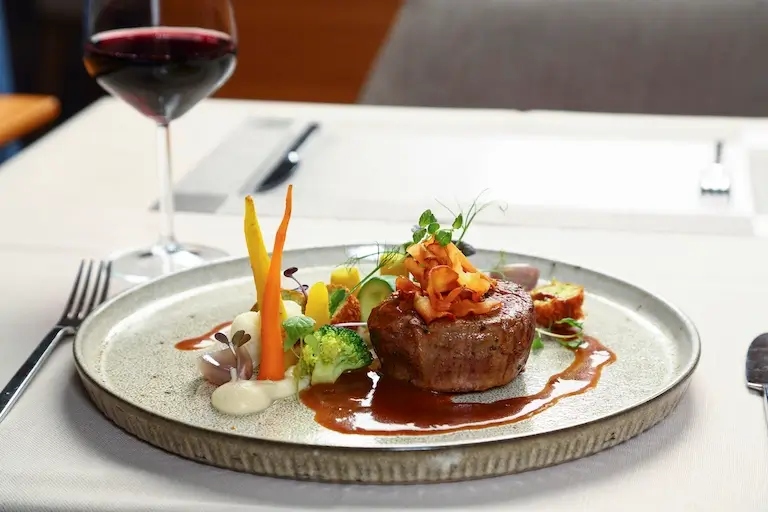
A full-bodied, tannic red such as Cabernet Sauvignon can stand up to the richness and intensity of a well-seared steak.
2. What Is the Dish’s Dominant Flavor?
The largest ingredient on the plate doesn’t always determine what the dish actually tastes like. A sauce, spice blend, marinade, garnish, or cooking method may create the flavor that you notice the most. Think of this as the dish’s overall flavor profile, whether that is bright and citrusy, smoky and savory, earthy and creamy, or spicy and aromatic.
Consider salmon. Served with lemon, dill, and a crisp cucumber salad, its dominant flavors are fresh, herbal, and bright, which may point you toward Sauvignon Blanc, Albariño, or dry Riesling. Glaze that salmon with miso, soy, and ginger instead, and the profile becomes savory, salty, and aromatic, making a fruit-forward Pinot Noir, off-dry Riesling, or Gewürztraminer worth considering.
The same idea applies to steak. A peppercorn crust may suit Syrah or Cabernet Sauvignon, while chimichurri could point you toward Malbec, Cabernet Franc, or another fresh, herbal red. In each case, you can choose a wine that supports flavors already in the dish or helps balance something especially rich, sharp, spicy, or intense.
Once you’ve identified the dish’s dominant flavor, look a little closer at what is creating it. That brings us to the next question: which taste element stands out most?

Take the Culinary Career Survey
We’ve compiled a checklist of all of the essential questions into one handy tool: career options, culinary interest surveys, educational opportunities, and more.
3. Which Taste Element Stands Out?
Flavor describes the overall impression of a dish, but taste elements are more specific. Start by identifying which element stands out most in the food, whether that is acidity, sweetness, salt, fat, bitterness, chile heat, or umami. Once you know what is driving the dish, you can consider how that element is likely to interact with the wine.
Acidity: Acidic foods, such as tomato sauce, citrus dressings, or goat cheese, generally pair best with wines that also have bright acidity. Chianti is a classic example with tomato-based dishes. If the wine is noticeably less acidic than the food, it may taste dull or flat by comparison. Other wines that are often lower in acidity include Viognier, Gewürztraminer, Marsanne, Roussanne, warm-climate Chardonnay, Merlot, Grenache, and Zinfandel.
Sweetness: Sweet foods can make dry wines seem sharper, more bitter, or less fruity, so the wine should usually be at least as sweet as the dish. Moscato d’Asti, Sauternes, late-harvest Riesling, and Port can all work well with desserts, depending on the dish’s flavor and richness.
Salt: Salt can soften bitterness and make a wine’s fruit seem more noticeable. Sparkling wine, Champagne, Cava, Lambrusco, and sweet wines like Port can all work well with salty foods, cured meats, fried snacks, and strong cheeses.
Fat and richness: Rich foods often benefit from a wine with enough acidity, bubbles, or tannic structure to keep the pairing from feeling heavy. Champagne with fried chicken, Barbera with a rich meat sauce, or Cabernet Sauvignon with a well-marbled steak are classic examples.
Chile heat: Chile heat can make alcohol in wine feel more warming on the palate and make tannins feel more drying or bitter.. For chile-forward curries, noodles, or dishes with hot peppers, look for lower-alcohol, fruit-forward wines with some residual sweetness, such as off-dry Riesling or Gewürztraminer.
Umami: Umami-rich foods, including mushrooms, aged cheese, soy sauce, miso, cured meats, and tomatoes, can make some wines taste more bitter or tannic. Lower-tannin or fruit-forward options such as Pinot Noir, Gamay, Riesling, sparkling wine, and some Italian reds can be more forgiving.
Understanding Tannin
“Tannin” is a term that gets used often in the wine world, but what does it actually mean when you take a sip? Tannins are compounds found in grape skins, seeds, and stems, as well as in oak barrels. They create a drying, slightly puckering sensation in your mouth, similar to what you might notice after drinking strong black tea or eating an underripe persimmon.
To tell whether a wine is high in tannin, pay attention to how your mouth feels after you swallow. A high-tannin wine can leave your gums, tongue, or the inside of your cheeks feeling dry or grippy after you swallow. Lower-tannin wines feel softer and smoother, with less of that drying sensation.
Tannins give wine structure and texture, which can be especially appealing in fuller-bodied reds. With fatty, protein-rich foods, such as a well-marbled steak, that structure can help the wine hold its own beside the richness of the dish, while the fat and protein soften some of the wine’s astringency. With chile-heavy or bitter dishes, however, a highly tannic wine may taste harsher.
4. Would Complement or Contrast Work Best?
Some pairings work because the wine and food share similar qualities. A buttery lobster dish may pair with a rich Chardonnay. Earthy mushrooms may work with Pinot Noir. An herb-heavy goat cheese salad may suit Sauvignon Blanc because the wine’s herbal and citrus notes echo the food.
Other pairings succeed because the wine provides contrast. Champagne, Cava, or another dry sparkling wine can cut through the richness of fried chicken or tempura, with acidity and bubbles refreshing the palate between bites. Off-dry Riesling can cool the heat of a spicy curry. Sweet Port can balance the saltiness and sharpness of blue cheese.
Both approaches can work. The goal is to decide what you want the pairing to do. You might choose a wine that echoes the dish’s flavors, or one that brings in freshness, sweetness, acidity, or another contrasting quality.
5. Is There a Regional Pairing Worth Trying?
When you are unsure where to begin, look at where the dish comes from. Foods and wines from the same region often developed alongside one another, which can make them natural partners.
A tomato-based Tuscan pasta may pair well with Chianti or another Sangiovese-based wine. Oysters and shellfish from the French Atlantic coast are often paired with Muscadet, while Galician seafood may suit Albariño. Provençal rosé can work with grilled vegetables, seafood, olives, and herb-forward Mediterranean dishes, and Rioja is a natural option for Spanish lamb, cured meats, and roasted peppers.
Escoffier Academic Operations Manager and certified sommelier Gregory Bonath has seen how those local connections can deepen a dining experience. Throughout his career, he looked for pairings that brought together food and drink from the same place, helping guests connect with the region and with the shared experience of eating together.
“People want to attach themselves to that local something. I feel like it’s important to showcase that. If we’re going to talk about a trout that was fished locally, let’s also talk about grapes that were grown 50 miles away, and add that into the experience.”*
This idea is often summed up as “what grows together, goes together.” While regional pairing is not a fixed rule, it can offer a flavorful starting point while adding a stronger sense of place to the meal
Classic Wine and Food Pairings and Why They Work
Classic pairings can be helpful when you are still learning your way around a wine list. Instead of memorizing every match, notice the balance each pairing creates and why it works. As you begin to recognize those patterns, you can apply the same ideas to other dishes.
Quick-Reference Pairing Table
| Dish Type | Try This Wine | Why It Works |
| Grilled or roasted steak | Cabernet Sauvignon, Syrah, Malbec | Fat and protein soften tannin, wine matches the dish’s intensity |
| Tomato-based pasta | Chianti, Barbera, Sangiovese | High acidity keeps pace with the tomato’s acidity |
| Fried or crispy food | Champagne, Cava, Crémant | Bubbles and acidity cut through fat and refresh the palate |
| Spicy curry or chile-forward noodles | Off-dry Riesling, Gewürztraminer | Sweetness and lower alcohol soften the heat |
| Blue cheese or salty, pungent cheese | Port | Sweetness balances the salt and sharpness |
| Buttery lobster, scallops, or cream sauce | Oaked Chardonnay | Buttery, toasted notes echo the dish’s richness |
| Goat cheese, herb salads | Sauvignon Blanc | Herbal, citrus notes and acidity complement the tang |
| Mushroom dishes | Pinot Noir | Earthy flavors and light tannin support without overwhelming |
| Oysters, raw shellfish | Muscadet, Albariño | Bright acidity and minerality echo the sea |
| Fruit-based dessert | Moscato d’Asti, late-harvest Riesling | Wine’s sweetness matches or exceeds the dish’s sweetness |
Cabernet Sauvignon and Steak
Cabernet Sauvignon is typically full-bodied and high in tannin, giving it enough structure to stand up to the richness and intensity of a grilled steak. The meat’s fat and protein can soften the wine’s drying sensation, while the wine’s dark fruit and savory notes can complement a deeply browned crust.
Chianti and Tomato-Based Pasta
Tomatoes are naturally acidic, so they can make a low-acid wine taste flat. Chianti, which is made primarily from Sangiovese grapes, has the bright acidity needed to keep pace with marinara, ragù, lasagna, and other tomato-based dishes. Its cherry, herb, and savory flavors can also feel at home beside garlic, oregano, basil, and aged cheese.
Sauvignon Blanc and Goat Cheese
The lively acidity of Sauvignon Blanc can balance the creamy texture and tang of goat cheese. Many Sauvignon Blancs also have citrus, grassy, or herbal notes that complement salads and tartines made with fresh herbs, leafy greens, or vinaigrette.
Sparkling Wine and Fried Food
Champagne, Cava, Crémant, and other dry sparkling wines can be excellent partners for fried chicken, french fries, tempura, or crispy appetizers. Their acidity and bubbles help refresh your palate between rich, salty bites. This is a contrasting pairing, with a bright and lively wine balancing the food’s fat and crunch.
Pinot Noir and Mushrooms
Pinot Noir often has earthy, woodsy, and red-fruit flavors that can complement mushrooms beautifully. Its relatively light body and moderate tannins allow it to work with mushroom risotto, pasta, tarts, and roasted vegetables without overpowering them.
Off-Dry Riesling and Spicy Food
An off-dry Riesling has noticeable fruit, refreshing acidity, and a small amount of sweetness, all of which can help balance chile heat. It can work particularly well with spicy curries, chile-forward noodles, and dishes seasoned with ginger, lemongrass, or aromatic spices. Riesling is also often lower in alcohol than a bold red, which helps prevent the heat from feeling even stronger.
Chardonnay and Buttery Seafood
A fuller-bodied Chardonnay can complement lobster, scallops, crab, or fish served with butter or cream sauce. Wines that have undergone oak aging or malolactic fermentation, a winemaking process that softens sharper acidity and can create a creamy, buttery character, may develop vanilla, toasted, or buttery notes that echo the richness of the dish. For simply prepared seafood with citrus or fresh herbs, a leaner unoaked Chardonnay may be the better choice.
Albariño and Shellfish
Albariño is known for its bright acidity, citrus and stone-fruit flavors, and sometimes a subtle saline quality. That freshness makes it a natural partner for oysters, mussels, clams, shrimp, and simply grilled fish, particularly when the dish includes lemon or other bright ingredients.
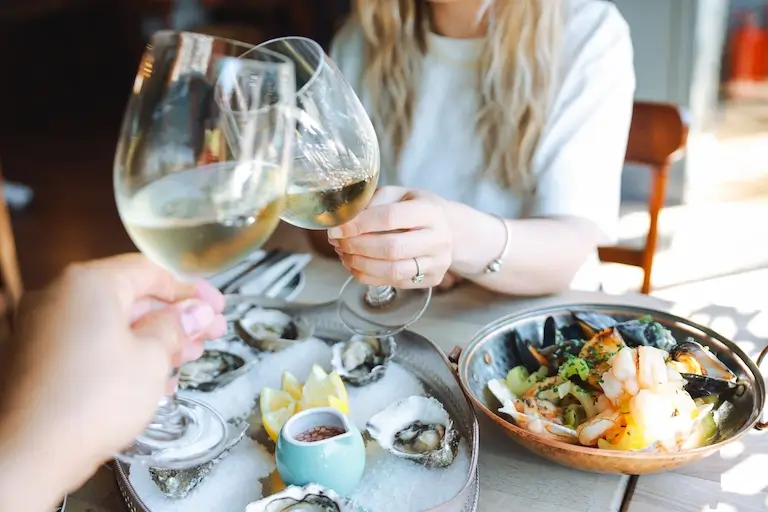
Bright, high-acid white wines can bring freshness to oysters, shellfish, and other delicate seafood dishes.
Port and Blue Cheese
The sweetness and concentrated fruit of Port create a bold contrast with the saltiness and pungency of blue cheese. The cheese can make the wine taste even fruitier, while the Port softens some of the cheese’s sharper edges. This is a useful reminder that sweet wines can belong at the cheese course as well as dessert.
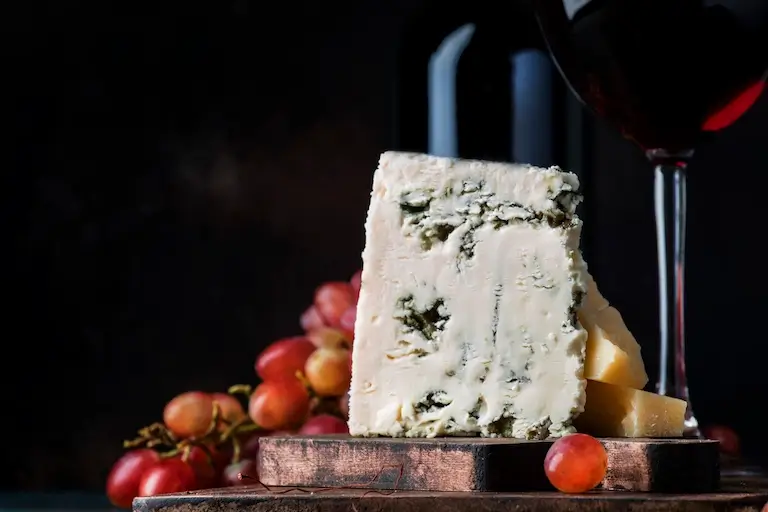
Sweet, fruity wines such as Port can balance the saltiness and bold flavor of blue cheese.
Moscato d’Asti and Fruit-Based Desserts
Moscato d’Asti is lightly sparkling, aromatic, and sweet, with flavors that often suggest peach, citrus, and orange blossom. It can pair well with fruit tarts, berries, poached peaches, or a light sponge cake. Because the wine is sweet enough to keep up with the dessert, it is less likely to taste thin or sour after each bite.
From the Field: André Mack Makes Wine Pairing More Playful
Not all wine pairings need to involve white tablecloths, elaborate tasting menus, or a long list of rules. Sommelier André Hueston Mack has built a career around making wine feel more approachable, modern, and connected to the way people actually eat.
After working at acclaimed restaurants including The French Laundry and Per Se, Mack went on to launch Maison Noir Wines, where playful bottle names and accessible language help take some of the formality out of choosing wine. His pairings might include rosé with pizza or a chilled red with tacos, showing that a thoughtful match can still feel relaxed, personal, and fun.
Check out André Mack’s interview on The Ultimate Dish podcast, where he talks about storytelling in wine service and his unique voice in the industry.
Common Wine-Pairing Mistakes
Even a thoughtful pairing can fall flat when one element overwhelms the other. Here are a few common missteps you may come across and how to adjust.
| Common mistake | Why it can cause problems | Try this instead |
| Pairing only by protein | The sauce, seasoning, cooking method, and sides may shape the dish more than the main ingredient. | Consider the entire plate. Salmon with lemon may suit Albariño, while salmon with mushrooms and cream may work better with Chardonnay or Pinot Noir. |
| Letting the food overpower the wine | A delicate wine can disappear beside a smoky, rich, or heavily seasoned dish. | Match the intensity. Try Cabernet Sauvignon, Syrah, or Malbec with bold meat dishes and lighter wines with more delicate foods. |
| Choosing a wine with too little acidity | Tomato, citrus, vinegar, and tangy cheese can make a low-acid wine taste flat. | Look for bright acidity in wines such as Chianti, Barbera, Sauvignon Blanc, Albariño, or dry Riesling. |
| Serving a dry wine with a sweeter dish | Dessert can make a dry wine taste sour, bitter, or thin. | Choose a wine that is at least as sweet as the food, such as Moscato d’Asti, Port, Sauternes, or late-harvest Riesling. |
| Pairing high alcohol or heavy tannin with chile heat | Alcohol can intensify the burn, while tannin may feel harsher or more bitter. | Try off-dry Riesling, Gewürztraminer, demi-sec Vouvray, or another lower-alcohol, fruit-forward wine. |
| Overlooking umami | Mushrooms, soy sauce, cured meat, and aged cheese can make tannic wines feel more drying. | Reach for lower-tannin options such as Pinot Noir, Gamay, Riesling, or sparkling wine. |
| Ignoring serving temperature | An icy white may taste muted, while a warm red can seem heavy or overly alcoholic. | Serve whites chilled rather than freezing cold, and many reds slightly cooler than room temperature. |
| Following the rules over your own taste | A technically correct pairing still falls short if you or your guests do not enjoy the wine. | Use pairing principles as guidance, then choose a bottle people will actually want to drink. |

Get the Culinary Education Planner & Checklist
Are you ready to embark on your journey to culinary school? Utilize this planner to craft a clear and actionable educational path.
Practice Pairing Like a Culinary Professional
Whether you’re choosing bottles for a casual dinner party, developing a menu of your own, or imagining a future as a sommelier, the best way to improve is to keep tasting with curiosity. Certified Sommelier Connor Fowler, an Escoffier graduate now working at Tavernetta in Denver, traces his own path back to asking restaurant sommeliers simple questions during an externship — why does this pair with this dish? — and building from there.
Start with the plate, work through the five questions, and pay attention to what changes when you take a bite and return to the wine. You may notice that one pairing makes the food feel brighter, richer, or more balanced, while another simply makes you eager for the next sip.
Over time, those small observations can sharpen your palate and help you feel more confident making choices of your own. They can also open the door to a deeper interest in flavor, hospitality, and the way food and drink come together to create a memorable experience.
A culinary education from Escoffier can help you build a foundation in flavor development, technique, menu planning, and hospitality. Contact us today to explore which of Escoffier’s programs could be a good fit for your goals.
INTERESTED IN DIVING DEEPER INTO THE WORLD OF FOOD AND WINE? TRY THESE ARTICLES NEXT:
- What is Hospitality & Restaurant Operations Management?
- What Are the Types of Culinary Degrees and Diplomas?
- From Kitchen to Corporate: Culinary Careers in Hotels, Resorts, and Hospitality
FAQs
For dishes with multiple elements, a wine with moderate acidity and fruit, such as a dry sparkling wine or a light-bodied red like Gamay, can bridge different flavors without clashing with any single one. Serving two wines side by side also lets guests find their own favorite match.
Lower-alcohol, fruit-forward wines with a touch of sweetness, such as off-dry Riesling or Gewürztraminer, can soften the heat. High-alcohol or heavily tannic wines tend to intensify it, so these are worth avoiding with spicier dishes.
A single versatile bottle, such as a dry rosé or an unoaked Chardonnay, can carry a meal with varied courses. For a more formal dinner or tasting menu, pairing a different wine to each course can highlight specific flavors more precisely.
A dry rosé, a Sauvignon Blanc, or a light-bodied Pinot Noir can each work across a wide range of dishes. These wines tend to have balanced acidity and a moderate body, which keeps them from clashing with most foods.