

Listen to This Article:
You’re standing in your Calgary kitchen, flour dusting your apron, wondering if that sourdough starter you’ve been nurturing could actually become something more. Or perhaps you’re scrolling through Instagram in your Edmonton apartment, mesmerized by those perfectly plated dishes from local restaurants—and others across Canada—dreaming of the day you could create something equally stunning.
If any of this sounds familiar, you’re not alone. Alberta’s food scene has been quietly revolutionizing itself, earning recognition across Canada, and more people than ever are catching culinary fever. But here’s what stops most dreams cold: the assumption that pursuing culinary arts means abandoning your current life—packing up, moving to some distant campus, leaving behind jobs, family, and everything you’ve built.
What if that assumption is wrong?
Alberta’s Culinary Renaissance: More Than Just Beef and Oil
Before we dive into your education options, let’s talk about why now could be a great time to pursue culinary arts in Alberta. This province isn’t just about cattle ranches and oil rigs anymore—though those industries certainly contribute to its robust food culture.
From bustling kitchens in Calgary to cozy bakeries tucked away in Banff, one thing’s clear: Albertans are passionate about food. With more than 250,000 people across the province working in tourism, food and beverage services, and hospitality, food is more than a passion—it’s a way of life.
Calgary’s dining scene has exploded with innovative restaurants like Pigeonhole, where locally-sourced ingredients meet creative techniques, and NOtaBLE, which showcases the best of Alberta’s agricultural bounty. Edmonton isn’t far behind, with establishments like Bündok and RGE RD proving that prairie cuisine can compete with any major food city.
Smaller communities are even getting in on the action. Canmore boasts destination-worthy restaurants that draw food lovers from across North America, while towns like Red Deer and Lethbridge are cultivating their own unique culinary identities. This growth means opportunities—lots of them—for trained culinary professionals.
But here’s the challenge: Alberta is huge. Like, really huge. It’s the fourth-largest province in Canada by land area, and although the food scene is growing across the province, not everyone lives near a traditional culinary school. If you’re in Fort McMurray, Grande Prairie, or any of the smaller communities that make Alberta special, pursuing formal culinary education may mean a major life upheaval.
The Game-Changer: Online Culinary Education
This is where online culinary education enters the picture, and it’s not what you might think. Forget the outdated notion of watching cooking videos on your laptop. Modern online culinary programs, particularly those offered at accredited institution Auguste Escoffier School of Culinary Arts, deliver genuine professional training.
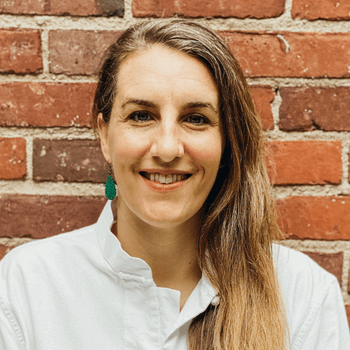
Escoffier’s online culinary programs deliver hands-on, professional training straight to your kitchen with flexible classes, real-world industry externships, and support for international students, all without you needing to leave Alberta.
*Information may not reflect every student’s experience. Results and outcomes may be based on several factors, such as geographical region or previous experience.
The beauty of this approach lies in its flexibility. With weekly deadlines and flexibility regarding attending class live, you can complete your coursework on your schedule, wherever you are. Whether you’re in downtown Calgary or rural Vermillion, the quality of education remains consistent.
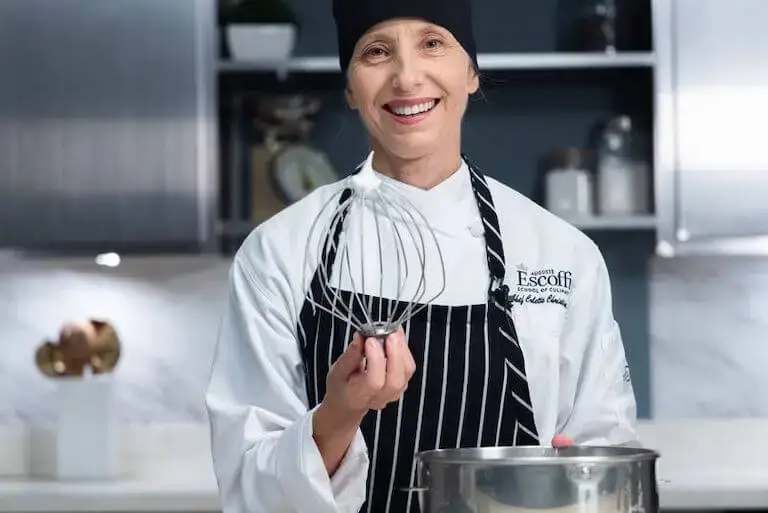
Get expert instruction from real culinary professionals like Chef Colette Christian.
How Escoffier’s Online Culinary School Works for Students in Alberta
Let’s break down what online culinary education for Albertans looks like in practice—because it might be more hands-on than you’re expecting.
Step 1: Build Skills
You’ll start by building a strong foundation with comprehensive coursework that covers everything from knife skills and cooking techniques to food safety and menu development. This isn’t passive learning—you’re actively cooking, experimenting, and practicing in your own kitchen.
Your lessons combine assigned readings, technique demonstration videos, short quizzes, and optional research activities to deepen your understanding. Each step is designed to help you grasp not just the “how,” but the “why” behind culinary methods.
Step 2: Join the Conversation
You won’t be learning alone. Online discussion boards and live virtual classrooms connect you with Chef Instructors and others around the world to talk about coursework, industry trends, and real-world experiences.
Each week, you’ll attend live sessions for real-time feedback and interaction. You can ask questions, share wins (and struggles), and get support on your work. The sense of community many people fear losing in online education? It’s alive and thriving here.
Step 3: Apply What You Learn
Here’s where it gets exciting: Every assignment challenges you to cook, bake, or create something tangible. You’re not just learning about brunoise cuts—you’re doing them, right in your own kitchen.
For each practical assignment, you’ll plan your production, take photos of your process, and submit your work for instructor feedback. You’ll learn to execute professional techniques using the tools and setup available in your own home.
Escoffier’s learning model is built around real-world application. That means you’re not just gaining knowledge—you’re developing the skills and confidence to use it immediately, with ingredients and equipment that reflect your day-to-day reality.
Want to see the day-to-day of online culinary school at Escoffier
When Traditional Doesn’t Work: The Real Alberta Experience
Here’s what the culinary school brochures don’t tell you about Alberta life: Many people don’t live within easy commuting distance of Calgary or Edmonton. Even if you do, you might be working full-time to pay bills, raising kids, or caring for family members. Maybe you’re in your forties and looking for a career change but can’t afford to quit your job and start over as a full-time student.
These aren’t edge cases. They’re the reality for thousands of aspiring culinary professionals. Fortunately, online culinary education through an institution like Escoffier can address these challenges while still providing crucial hands-on experience.
Real-World Experience Through Local Externships
A common concern about online culinary programs is whether there’s a lack of real kitchen experience. Here’s where programs like Escoffier shine: every student completes a real-world industry externship as part of their training.
As an Alberta student, you can complete your externship locally at a restaurant, bakery, café, or food business near you. This means you can gain hands-on experience while building professional connections in your own community—connections that could prove invaluable when you’re ready to launch your career.
Of course, if you’d prefer to complete your externship elsewhere or don’t have a suitable option nearby, you can look beyond your local boundaries. Some students, like Oscar Beltran or Parker Wilks-Bryant (who have both since graduated), have even done international externships.

*Information may not reflect every student’s experience. Results and outcomes may be based on several factors, such as geographical region or previous experience.
This externship component can offer Alberta’s aspiring culinary professionals the chance to apply their skills in real-world settings—an especially valuable opportunity for those living outside major culinary centers. You might also create opportunities where you are, building bridges between your education and your local food community.

With Escoffier’s externships, you can gain hands-on industry experience in various food pathways.
Diverse Culinary Paths: Finding Your Niche
The modern food industry isn’t just about becoming a traditional chef anymore. There’s so much to explore in the world of food, and with Escoffier’s online programs, opportunity is at your fingertips. Whether you want to hone your pastry skills, launch a food truck, or dive into the connection between food and wellness, there’s a path for you.
Escoffier can offer a number of specialized programs that align with emerging food trends:
- Culinary Arts: The traditional foundation, but with modern techniques and global influences that reflect Alberta’s multicultural population.
- Baking & Pastry: Ideal for those inspired by Alberta’s growing artisan bakery scene, from Calgary’s OEB Breakfast Co. to local farmers market vendors.
- Plant-Based Culinary Arts: Responding to the increasing demand for vegetarian and vegan options, even in beef country.
- Food Entrepreneurship: A great fit for those looking to launch food trucks, catering businesses, or specialty food products.
- Holistic Nutrition & Wellness: Combining culinary skills with health-focused approaches, perfect for Alberta’s health-conscious consumer base.
- Hospitality & Restaurant Operations Management: For those who want to understand the business side of food service.
Each program is designed to provide both foundational skills and professional expertise, allowing you to carve out your unique place in Alberta’s food landscape, whether that’s in or beyond the kitchen.
The Financial Reality: Making Culinary Education Accessible
Let’s talk money, because that’s often the biggest barrier to pursuing culinary education. Traditional culinary programs can be expensive, and when you factor in the costs of relocating, housing, and living expenses while attending school full-time, the financial burden can be overwhelming.
Online culinary programs from an accredited institution typically offer several financial advantages:
- No need to relocate or pay for student housing
- Ability to continue working while studying
- Payment plans and tuition support options
Although, as a U.S.-based institution, Escoffier doesn’t offer Canadian federal aid, two diploma programs, in Culinary Arts and Baking & Pastry Arts, are approved by AlbertaAid. All programs remain available to Alberta students, but those enrolling in non-approved programs would need to secure alternative funding or consider switching to an approved option. Many international students find the programs accessible with the help of these cost-saving options. Escoffier also provides dedicated student support and offers scholarships of up to $10,000 toward tuition for qualified students.
The Application Process for International Students
1. Apply for Admissions
The basic application process is the same for international students as domestic students. Once you’ve selected a program—in this case, online—an Admissions representative will contact you to complete an admissions overview and discuss further steps needed to complete your application for admission and enrollment agreement.
2. Provide Proof of High School Graduation or Equivalent
All students must show proof of high school graduation or an approved equivalent. To ensure your documentation qualifies, have your academic records evaluated for U.S. equivalency by a company that is a current member of the National Association of Credential Evaluation Services (NACES).
3. Provide Proof of English Proficiency
Because courses are taught in English, students must demonstrate proficiency through options like TOEFL (65+ Internet-Based), IELTS (6+), Cambridge English qualifications, ESL course completion, or graduation from an English-speaking institution. If you don’t yet have proof of English proficiency, contact our Admissions department or refer to the course catalog for more information on next steps.
Alberta’s Food Future: Where You Fit In
Alberta’s culinary scene is at an inflection point. The province’s traditional industries are evolving, tourism is growing, and consumers are increasingly sophisticated in their food preferences. This creates unprecedented opportunities for trained culinary professionals.
Whether you’re dreaming of opening a bakery in your hometown, joining a restaurant team in Edmonton, bringing plant-based dishes to Calgary’s café culture, or starting a food truck that tours Alberta’s summer festivals, there can be a place for you in this evolving landscape.
The key is getting the training you need without disrupting the life you’ve built. Online culinary education can make this possible, providing professional credentials, practical skills, and industry connections while allowing you to stay rooted in your Alberta community.

Find out how to launch your own food business, without leaving your community.
Taking the Next Step
Wondering what comes next? The good news is that exploring your options doesn’t require any major commitments.
Start by honestly assessing your situation:
- What are your career goals in the culinary field?
- What’s your current life situation regarding work, family, and location?
- What learning style works best for you?
- What’s your budget for culinary education?
If online culinary education sounds like it might be a fit, research programs thoroughly. Look for accredited institutions with strong industry connections and comprehensive support systems. Pay attention to externship opportunities and how they align with your local food scene.
Remember, this isn’t just about learning to cook—it’s about building a career that fits your life and contributes to Alberta’s growing food culture.
The Bottom Line
Alberta’s culinary scene is thriving, and there’s never been a better time to be part of it. Whether you’re in Calgary or Cold Lake, Edmonton or Estevan, the dream of professional culinary training doesn’t have to remain a dream.
Online culinary education has matured into a viable, comprehensive alternative to traditional programs. For Alberta residents facing geographic challenges, work obligations, or family responsibilities, it offers a path forward that doesn’t require sacrificing everything else in your life.
Take the first step and apply now, or contact us for more information.