


Listen to This Article:
You can use it to tame a cough and treat a wound or to moisturize your skin. When cooking, it can sweeten a dessert, reduce the heat from spices, give your glaze a glossy finish, and balance the flavor of your salad dressing.
Honey isn’t just sweet. It can add moisture, acidity, and complex flavors that affect how other ingredients interact. Its rare mix of properties has made honey invaluable to cooks for thousands of years—and understanding why reveals just how remarkable it can be.
A Sweet Legacy That Still Shines
Humans have been gathering honey for at least 8,000 years. In Spain, a cave painting dating back to around 7,500 BCE shows a honey hunter climbing a rope ladder to reach a hive, carefully collecting this prized ingredient.
Ancient civilizations used it for more than sweetener—they valued it as medicine for its antimicrobial properties, as an offering in religious rituals, and even used it as a form of currency. Today, cooks still rely on honey for its unique flavors and preserving qualities.
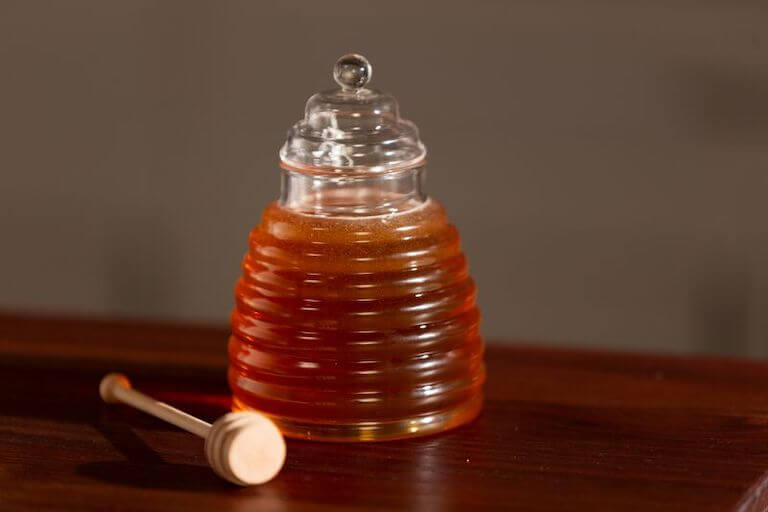
Honey’s golden glow has captivated cooks and civilizations for thousands of years—both for its flavor and longevity.
Why Honey Is More Than Just Another Sweetener
Honey is naturally sweeter than granulated sugar, which is good news because you can use less to achieve the same result. Small amounts can balance complex flavors without overpowering a dish.
But unlike sugar, which delivers pure sweetness and little else, honey introduces natural moisture, enzymes, and acids that fundamentally change how food turns out. When you bake with honey instead of sugar, your breads and cakes often stay moist for days, develop a slightly denser crumb, and take on a deeper, richer flavor. You might also notice a beautiful golden color and a subtle hint of honey’s unique taste woven throughout the finished product.

*Information may not reflect every student’s experience. Results and outcomes may be based on several factors, such as geographical region or previous experience.
The same properties that give honey its legendary shelf life also make it useful in the kitchen. Even though honey has some water in it, it holds onto that moisture so tightly that bacteria can’t grow, which is why it doesn’t spoil. This makes it ideal for glazes and marinades, where it not only helps preserve food but it also adds deep, complex flavors that get better over time.
Raw honey takes this even further. Unlike processed honey—which is heated and filtered to create a clear, uniform product—raw honey is minimally processed, so it still contains pollen, tiny bits of wax, and active enzymes. These natural enzymes remain intact because raw honey hasn’t been heated to high temperatures. They continue to break down complex sugars over time, slowly creating new flavor compounds and deepening the taste. That’s why aged raw honeys often develop deeper, more layered flavors, making them popular among chefs for specialized recipes.
What’s the Difference Between Raw and Processed Honey?
Raw honey is taken straight from the hive, strained to remove large particles, and bottled without heating. It retains natural enzymes, pollen, and trace nutrients. Processed honey is heated and filtered to improve clarity and prevent crystallization, but this heating destroys many of its natural enzymes and reduces its potential health benefits.
Types of Honey and Their Flavor Profiles
Honey’s flavor changes dramatically based on the flowers bees visit, creating endless options for cooks to explore. With over 300 varieties produced in the U.S. alone, there’s no shortage of ways to experiment with taste.
This is especially true with single-varietal honey. Beekeepers encourage bees to gather nectar from one main plant source by placing hives near specific blooms. The result? A honey with a clear, consistent flavor that pairs beautifully with particular dishes—whether that’s a bright orange blossom honey in a cake or a bold buckwheat honey for roasted meats.
Quick Reference: Popular Honey Varieties
| Honey Variety | Flavor Profile | Color | Best Uses | Pairs Well With |
|---|---|---|---|---|
| Acacia | Delicate, clean, mild | Light amber | Fruit salads, light desserts, tea | Fresh fruit, yogurt, delicate pastries |
| Clover | Classic honey flavor, balanced | Golden | Everyday cooking, baking | Biscuits, cornbread, general sweetening |
| Orange Blossom | Citrusy, floral undertones | Light to medium amber | Cakes, cookies, marinades | Vanilla, butter, chicken, tea |
| Lavender | Floral, sophisticated | Medium amber | Vinaigrettes, cheese pairings | Goat cheese, herbs, salad greens |
| Buckwheat | Robust, molasses-like | Dark amber to brown | Hearty breads, marinades | Strong cheeses, red meat, gingerbread |
| Wildflower | Complex, varies seasonally | Variable | Drizzling, general cooking | Versatile – adapts to many dishes |
| Manuka | Earthy, almost medicinal notes | Dark amber | Specialty applications | Hot tea, wellness drinks |
Using Honey to Boost Flavor and Balance Sweetness
Taming Acidity and Bitterness
In cooking, honey is able to bridge and balance contrasting flavors. If you’re working with acidic ingredients like vinegars, wine, or citrus, honey can round out the sharp edges without covering the original flavor. A little honey can go a long way in helping bold ingredients complement each other. It can work well to balance the acidity of vinaigrettes and can soften bitterness in tomato sauces while also bringing out the tomato’s natural sweetness.
Balancing Heat and Spice
Honey’s can also temper the intense heat of a dish. For example, you can drizzle a little honey over spicy pizza to help tame the kick. Or, you can blend honey into hot sauce if it’s hotter than what you want.
Creating Sweet and Salty Harmony
Sweet and salty flavors work together in more than just desserts. Think about the flavors in honey-glazed ham or the salty-sweet pairing of honey drizzled over aged cheeses, soy-based glazes, or the balance honey can bring to dishes with deep umami flavors.
Using Honey as a Finishing Touch
Honey can also be used as a finishing ingredient. Consider a light drizzle over roasted vegetables, grilled meats, yogurt, or fruit.
How You Can Cook and Bake with Honey Effectively
Successfully substituting honey for granulated sugar requires understanding a few key adjustments to maintain proper recipe balance. Here are the essential modifications to make when replacing sugar with honey:
- Reduce the amount of honey you use. You only need about 1/2 to 2/3 cup of honey for every cup of sugar because honey is sweeter than sugar.
- Cut back on the amount of other liquids. Because honey is about 20% water, you can reduce other liquids in the recipe by ¼ cup per cup of honey used to help keep the proper consistency.
- Use baking soda to help balance honey’s natural acidity in baked goods. While honey can tame acidic flavors in dishes, it’s slightly acidic itself, which can affect how baked items rise and set. Adding ¼ teaspoon of baking soda per cup of honey helps neutralize this acidity, ensuring your cakes and breads come out with the right texture.
- Lower the oven temperature. Drop your baking temperature by 25°F because honey can brown faster than sugar.
Beyond Baking: Honey in Sauces and Marinades
The natural sugars in honey don’t just add flavor—they also help tenderize meat and encourage a beautifully golden, caramelized finish. It’s what makes dishes like honey-lime grilled chicken so irresistible, or what turns simple roasted vegetables into something special when you brush on a little honey right at the end.
Honey also shines in sauces and dips, where it brings body and depth you can’t get from sugar alone. It’s the ingredient behind the silky texture and sweet-savory balance in a good honey mustard. And in salad dressings, even a small spoonful can mellow sharp flavors and help the ingredients blend more smoothly.

Honey caramelizes beautifully during cooking, creating a golden, flavorful glaze that elevates dishes like roasted chicken drumsticks.
Sauces, Dressings, and Dips
Honey isn’t just for baking; it shines in sauces, dressings, and dips, too. Its natural sweetness can balance strong flavors, while its thick, syrupy texture helps bind ingredients together smoothly. In dressings, even a small spoonful can mellow sharp vinegars and bring harmony to the mix. And when used in dips, honey adds body and a subtle complexity that sugar alone can’t provide.
Tips for Success
When working with honey in baked goods, temperature control becomes your most important consideration. Because honey’s natural sugars caramelize at lower temperatures than refined sugar, they create beautiful golden colors but also require closer attention. You’ll want to monitor your baking progress more carefully than usual—honey-sweetened items often finish cooking faster than their traditional counterparts, especially around the edges where burning is most likely to occur.
Sweet and Savory Applications: Inspiration from the Kitchen
Honey is one of those ingredients that works across the board—from breakfast to dessert, and everywhere in between. Here are some other ideas on how to make the most of it:
Breakfast and Snack Ideas
Start simple with these honey-enhanced basics:
- Ricotta toast with a drizzle of honey
- Yogurt parfaits with berries and granola
- Oatmeal sweetened naturally
Honey can also bring moisture and a hint of floral complexity to breakfasts and snacks that sugar can’t match.
Cheese Boards and Entertaining
Different types of honey can enhance a cheese board by complementing specific cheeses. For example, lavender honey pairs well with soft goat cheese, while the robust flavor of buckwheat honey balances sharp cheddar. Exploring these combinations can help you understand how honey’s unique flavor profiles interact with different cheeses.
Roasted Vegetables
In savory dishes, honey’s natural sugars help vegetables caramelize, creating those golden-brown edges that make roasted dishes look and taste more appealing.
Root vegetables like carrots and parsnips develop a deeper flavor and glossy finish when you add honey during the last few minutes of roasting. Its natural sugars caramelize, enhancing both appearance and taste. Honey also works well with Brussels sprouts, balancing their bitterness while creating a caramelized, golden-brown exterior.
Glazes for Meat and Fish
Honey is often used in glazes for meats and fish because its natural sugars caramelize, creating a rich color and deeper flavor. For example, brushing honey onto chicken thighs near the end of cooking gives them a beautiful golden-brown finish without burning. Honey Mustard Roasted Salmon is another great option, combining sweetness and acidity for a balanced glaze. Pork chops also benefit from a honey-mustard glaze, which adds moisture and enhances their savory flavor. The key is to add honey-based glazes toward the end of cooking to achieve caramelization without burning the sugars.
Dessert Applications
Honey adds more than a sugary note to desserts—it contributes moisture, texture, and complexity.
- Use it to coat fried pastries like Greek loukoumades
- Drizzle over baklava to enhance both flavor and shine
- Swap out some of the sugar in baked goods for honey to get a softer, moister result

Honey brings rich flavor and moisture to desserts like this baklava from Online Baking & Pastry Arts Graduate Danny Nguyen.
Health Benefits and Consumer Trends
Long valued for its potential wellness benefits, honey has become part of a broader trend of choosing whole foods that not only taste good but also provide some nutritional value.
A University of Toronto study found that raw honey from a single flower source can improve several health measures. It lowered fasting blood glucose, total and LDL (“bad”) cholesterol, triglycerides, and a marker of fatty liver disease, while increasing HDL (“good”) cholesterol and some markers of inflammation.
Key Health Benefits Attributed to Honey
- Contains small amounts of antioxidants and trace nutrients, unlike refined sugar
- May help reduce LDL cholesterol and fasting glucose levels
- Raw honey retains natural enzymes, which some believe could support immune function, though more studies are needed
- Offers minor amounts of vitamins and minerals, but these are not significant sources in most diets
Market Growth and Consumer Trends
Honey is more popular than ever in American kitchens. Walk into any grocery store and you’ll find whole sections dedicated to different types—raw honey, local honey, single-flower honey. This isn’t just a passing trend. The numbers tell a compelling story.
Americans ate a record 688.6 million pounds of honey in 2024—or to put it in perspective, two pounds per person. That’s nearly double what we were eating in the 1990s. This jump shows a bigger shift toward ingredients people can recognize and understand.
The rise fits with what food experts call the “functional ingredient” movement. Just like turmeric and ginger have gained recognition for their potential health benefits, honey fits naturally into conversations about purposeful cooking. Today’s consumers want foods that do more than just taste good. They’re looking for ingredients that might help their overall well-being.
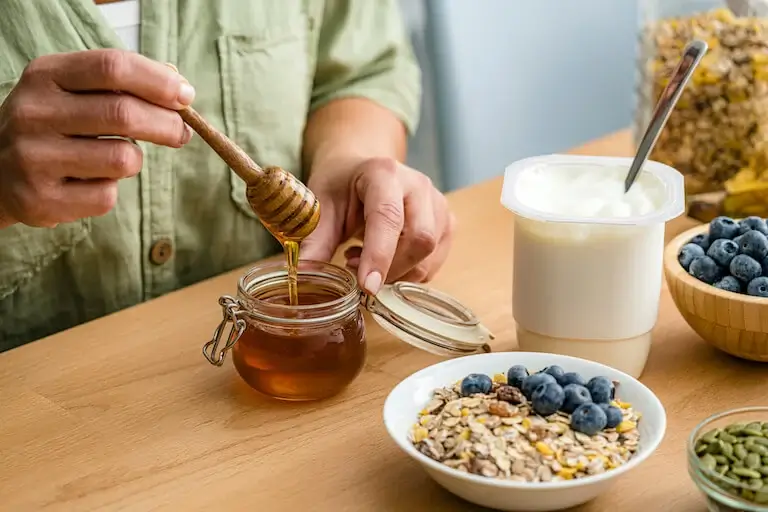
Honey is increasingly valued as a functional food—ideal for enhancing both flavor and nutrition in wholesome meals.
Add Dimension to Your Dishes
Honey can balance harsh acidity in salad dressings, bring out rich caramelized notes in roasted vegetables, and enhance the overall depth of your dishes. A teaspoon in a vinaigrette or a quick brush on vegetables before finishing in the oven can transform flavor and appearance.
Working with honey also teaches broader lessons about cooking. You start to notice how different ingredients react to heat, when to adjust flavors for balance, and how small changes can elevate a dish. These aren’t just honey-specific skills—they’re part of becoming a cook who understands ingredients and uses them with confidence.
At Auguste Escoffier School of Culinary Arts, students can explore how individual ingredients behave and why certain combinations work through hands-on practice with experienced Chef Instructors. This knowledge can transform how you approach every dish, helping you explore techniques to taste, adjust, and create with confidence.
Ready to take your culinary skills further? Contact us to discover how our programs can help you hone these essential techniques.
IF YOU’RE INTERESTED IN EXPANDING YOUR INGREDIENT KNOWLEDGE, CHECK OUT THESE ARTICLES NEXT!
- What Is Marzipan? Uses, Recipes, and Crafting Techniques
- A Thorough Guide to Cheese: 30 Cheeses You Should Know
- Best Egg Substitutes for Baking and Cooking (and When to Use Each One)
This article was originally published on January 5, 2016, and has since been updated.