
Listen to This Article:
Cooking is a great way to create, experiment, and just have fun—but figuring out how to improve at it can sometimes be a little frustrating.
Whether you’re stepping into a kitchen for your first line-cook gig or holding things down at home, it can be easy to hit a plateau. You’re past the beginner’s mistakes, your food tastes good, but maybe you’re stuck in a loop of making the same familiar dishes on repeat.
Breaking out of that rut often means diving into the core techniques and foundational habits that professional kitchens are built on.
“You get out of this what you put into it,” says Connor Fowler, Escoffier Boulder graduate and Certified Sommelier. “Nothing happens overnight. It takes a little while to eventually come around, but the point of working in this industry, the point of going to culinary school, is not to have a fast track. It’s to learn as much as you can over a long time.”*
That kind of deep kitchen wisdom doesn’t happen all at once; it’s a skill set you layer on over time. These 15 practices, ranging from essential prep and organization to advanced heat management and flavor building, are designed to give you more precision, consistency, and confidence in the kitchen. Some may already be part of your routine, while others can fundamentally change how you work in the kitchen.
What Professional Cooks Do Before the Heat Goes On
1. Mise en Place: How to Prep Like a Professional
Even if you already practice mise en place by prepping your bowls of diced veggies and measured ingredients ahead of time, there’s always room to sharpen your strategy.
Instead of prepping ingredients in the order they’re listed on the recipe, consider thinking through the process of preparing the dish. What parts are going to be the most time-consuming? What ingredients will take longer to prepare than others? Can you overlap tasks to keep things moving?
With those answers in mind, you can sequence your prep based on what takes the longest to get ready.
You can also upgrade your mise en place by using lulls in the cooking process to reset your station. Wipe down the counters and rearrange your ingredients to make them easier to access while the sauce simmers. Taking this extra step can help keep your work area clean and organized and help you be prepared for what steps come next.

Proper mise en place can lead to noticeable improvements.
Red flags that your mise en place isn’t working effectively include inconsistent seasoning because you rushed the salt, or overcooked meat because you were still chopping when you should have been flipping. It also shows up when components of your dish finish at completely different times.
This happens often when preparing a recipe with multiple moving parts. You might hit the perfect temp on the steak, but your veggies end up cold and your sauce breaks because it sat on the stove too long. A truly effective setup accounts for the final assembly time, ensuring everything hits the plate at its peak.
Professionals work backward from when everything needs to hit the plate together, then create their plan and cooking sequence around that target.
Good mise can keep you focused on what’s happening in the pan instead of what’s still on your cutting board. It gives you the space to adjust heat, taste as you go, and make the small improvements that add up to better cooking.
2. Knife Skills: Why Consistency Matters More Than Speed
Professional-level knife skills are about consistency more than speed.
Consistent cuts lead to consistent cooking. While it sounds simple, uniform knife work is critical to the success of a dish. When your potatoes are all different sizes, some burn while others stay raw in the middle. The same goes for an inconsistent mirepoix—your aromatics will break down at different rates, leaving you with an uneven flavor base.
This can get worse when you’re cooking at volume. When you’re prepping mirepoix for three different braises, uneven cuts mean each pot develops differently. Then you lose the consistency that separates reliable cooking from hit-or-miss cooking.
Building muscle memory for your basic cuts is what can allow you to execute them consistently when you’re tired, rushed, or juggling multiple components.
Sharp knives are non-negotiable. When a knife is dull, you’re forced to apply downward pressure rather than a clean slice. As a result, accuracy suffers, control is lost, and the risk of a dangerous slip increases dramatically.
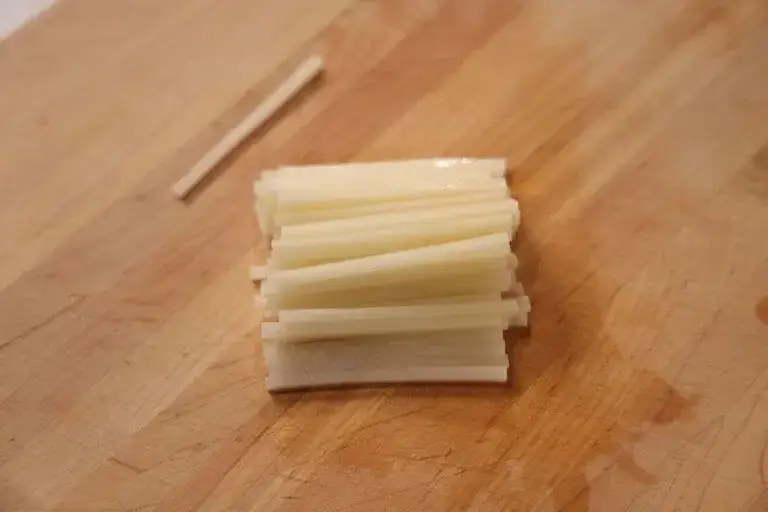
Consistent knife cuts help ensure even cooking and professional presentation.
Focus on the cuts that show up most in your cooking. Make a lot of stir-fries? Work on julienne. Braise often? Practice consistent rough chops for aromatics. You’re not chasing speed. Instead, you want to produce the same cut every time.
Heat, Timing, and the Methods That Matter Most
3. How to Choose the Right Cooking Method — and Why It Matters
You probably know the core cooking methods: sautéing, roasting, braising, grilling, steaming, frying. But are you choosing them intentionally, or just following what the recipe says?
Understanding what each method does best can help you choose what to use when you’re working with unfamiliar ingredients or when a recipe just isn’t working. Tough cuts can benefit from braising because the long, moist heat helps break down the connective tissue. Gentle steaming or a quick sauté can work better for delicate fish because fish can easily overcook when under high or prolonged heat. The dry heat from roasting dense vegetables can help concentrate sugars and lead to caramelization.
You can more easily adapt on the fly when you understand the science and logic behind the different cooking methods. So, if a recipe calls for roasting but your oven is already in use, you know whether you can substitute a hard sear and braise. You can look at an ingredient you’ve never cooked before and make an educated guess about which method will work based on its texture, fat content, and density.
This kind of decision-making takes practice, but it’s what can move you from recipe-dependent cooking to intuitive cooking. Once you understand how to roast one vegetable, you can roast any vegetable by adjusting time and temperature based on density and water content.
How to Become a Chef: Get the Career Guide!
Have your sights set on wearing the chef’s hat? Discover the steps that may be required to start your culinary career and earn the title of ‘chef’.
4. How Professional Cooks Season Food
Building flavor throughout the cooking process creates a depth you simply can’t achieve by salting at the table. By practicing layered seasoning, adjusting salt and acidity at every stage of the process, you can ensure the dish is seasoned from within rather than just on the surface.
Seasoning is a timeline, not a single event. Early on, salt has time to penetrate ingredients and enhance their natural character. During the cook, you adjust the levels as moisture evaporates and flavors concentrate. At the finish, you make those final tweaks to bring everything into balance and add a hit of brightness.

Four Ways You Can Fix a Dish
Beyond salt, experienced cooks think in terms of four balancing levers when something tastes off:
- Acid brightens and lifts. If your dish tastes flat, try a squeeze of lemon or splash of vinegar before adding more salt. Acid acts as a high-contrast lens for your palate, bringing other flavors into sharp focus rather than just making the dish sour.
- Fat rounds and softens. If something tastes harsh or sharp, fat can mellow it and give the dish a fuller mouthfeel.
- Sweetness tames harshness. If your dish is too acidic or bitter, a small amount of sweetness can bring it into balance without making it taste sweet.
- Salt is an amplifier. It pulls muted flavors to the foreground, making ingredients taste more like the best version of themselves.
5. Why Professional Cooks Trust Their Senses More Than the Timer
A recipe might tell you how long to cook something, but your five senses help tell you what’s really happening as you cook.
Following the clock alone can get you into trouble. Every stove runs a little different. Your medium-high might be hotter than someone else’s high. Ingredients vary. Pans vary. Your kitchen isn’t the recipe writer’s kitchen.
Train yourself to use your senses instead of just watching the timer. You can hear when a sauté is working—that steady sizzle—or when it’s gone quiet because the pan cooled down. You can see when fond is building nicely or when it’s about to cross the line into burnt. You can smell when garlic is fragrant or when it’s starting to scorch.
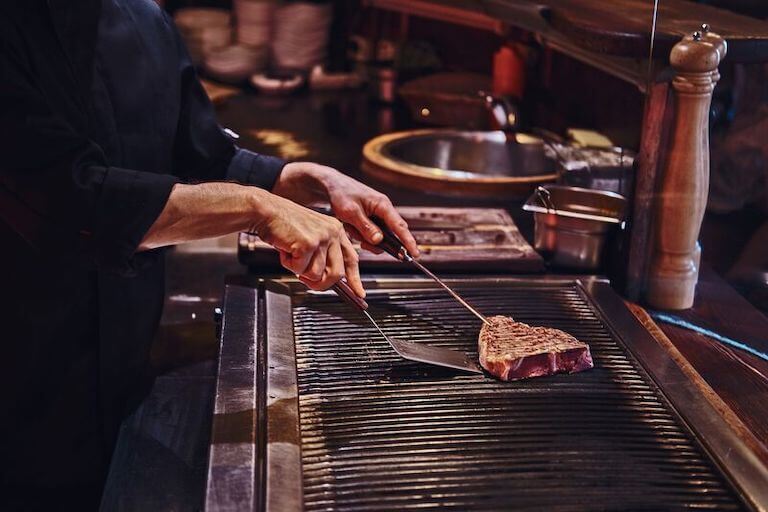
Adjusting the heat as you cook, rather than setting it and walking away, gives you better results.
This takes practice. But once you start paying attention to what you’re hearing, seeing, and smelling, you stop being dependent on what a recipe says should happen and start responding to what’s actually happening in front of you.
6. Why Consistent Doneness Starts with a Thermometer
Precision is the difference between a good dish and a great one. An instant-read thermometer replaces guesswork with certainty, whether you’re searing meat, baking bread, or tempering a delicate custard.
Instead of relying on a best guess, checking the internal temperature tells you exactly when your chicken reaches 165°F or when your loaf has developed the perfect crumb.
When you’re cooking professionally, consistency counts. Overcooking or undercooking proteins costs money, and those mistakes add up. A thermometer can give you confidence and helps you achieve the same results every time, whether you’re cooking for customers or just working on getting better at home.
Remember that thermometers tell you the current temp, not the final temp. Carryover cooking means large cuts continue cooking after you pull them off the heat, as exterior heat migrates inward. For a medium-rare steak, you might pull it at 125-130°F knowing it will coast up to 135°F during rest. You may need to pull a whole chicken out when the internal temperature in the breast reaches 160° so it will reach 165°F safely while resting.
It takes practice to learn how to account for carryover, but that can make the difference between hitting the doneness you want compared to accidentally overshooting it.
How Professional Cooks Build and Balance Flavor
7. How to Build Flavor with Fond and Deglazing
Browning is about more than just aesthetics. It’s about the Maillard reaction—the savory magic that happens when proteins and sugars meet high heat. It’s distinct from the sweeter notes of caramelization, providing a deeper, more complex profile for your dishes.
When you properly brown meats and vegetables, the Maillard reaction creates depth that forms the base of countless dishes. The browned bits stuck to the bottom of your pan are called fond; those toasted remnants serve as a high-intensity flavor base for sauces and stews.
Add stock, wine, or even water to the hot pan and scrape up those bits with a wooden spoon. You’ve just deglazed the pan and made the foundation of a sauce.
The key is having the patience to let your ingredients sit undisturbed long enough to develop a good sear before you move them. Constantly stirring or flipping? You’re steaming, not browning. Give them time to build that crust, then use the fond to layer flavor into whatever comes next.
8. How to Turn Pan Drippings into a Restaurant-Quality Sauce
Once you know how to build fond and deglaze, the next step is turning that base into an actual sauce.
The technique is straightforward. After deglazing, let the liquid reduce until it coats the back of a spoon. This concentration builds flavor and body. To finish, whisk in a touch of fat, like butter or cream, along with aromatics such as shallots, garlic, or fresh herbs.
As the fat emulsifies into the reduction, it creates a characteristic richness and sheen. For the best results, swirl the pan rather than stirring to ensure the butter incorporates smoothly.
A quality stock is a fundamental building block for deep flavor. Water works for deglazing in a pinch, but stock gives you a richer base to build from. Make your own from kitchen scraps, vegetable trimmings, and bones. Or keep quality store-bought stock in your pantry.
Once you get comfortable with the basic technique, you can adapt it endlessly. Red wine and thyme for steak. White wine and capers for fish. Shallots and cream for chicken. The formula stays the same, but the flavor profile changes based on what you add.
9. Brining vs. Marinating: How to Choose and When It Matters
While both techniques add depth to your cooking, brining and marinating serve two distinct purposes.
When you brine meat, you soak it in salt water, a process that helps lean cuts like chicken breast or pork chops stay moist when you cook them. The salt changes the structure of the muscle fibers, helping them hold onto more water when cooking and allowing the seasoning into the meat instead of just staying on the surface of it. Even a quick 30-minute brine can make a noticeable difference.
Marinating works better for tougher cuts that need tenderizing along with extra flavor. Acidic ingredients like vinegar or citrus break down connective tissue, while oil and seasonings work their way into the meat. This takes longer than brining — usually a few hours to overnight.
Both techniques require some planning, but they can boost the quality of your finished dish. The key is matching the method to the ingredient and giving it enough time to work.
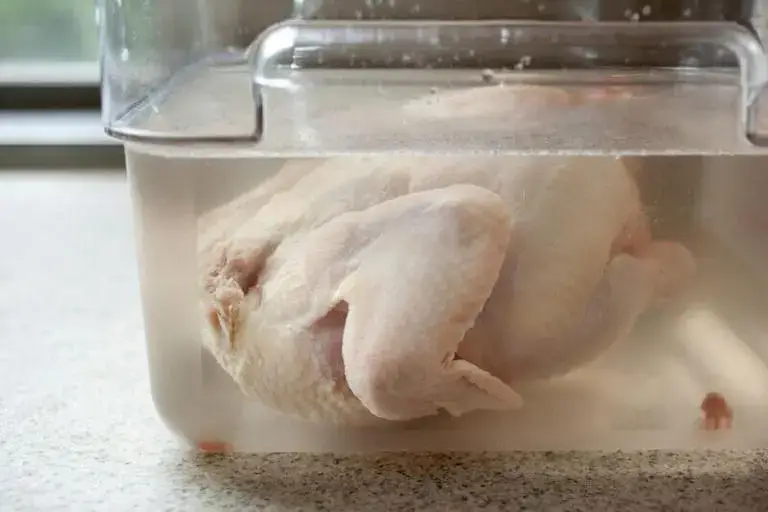
Brining helps lean meats retain moisture for juicier, more consistent results.
10. How to Develop Your Palate So You Can Season Without Guessing
Good cooks taste their food throughout the cooking process, not just at the end.
Tasting as you go lets you adjust seasoning, acidity, sweetness, and fat before you serve. Your sauce might need more salt, or it might need a squeeze of lemon to brighten it up. Your braise might taste better with a little sweetness to balance savory depth. But you can’t know what’s missing unless you’re tasting deliberately, and you can’t fix it once it’s plated.
It can take time to develop your palate, but the more you deliberately taste throughout the process, the better you can get at diagnosing what’s missing and how to fix it. You can practice tasting ingredients at different stages, such as trying them raw, partially cooked, and fully cooked. This can help you notice how flavors change and concentrate as moisture evaporates.
When tasting, try to notice how salt affects different ingredients, or how acid can rescue a dish that tastes flat even though you’ve already salted it properly. This can help you move from following recipes to understanding how to bring dishes into balance on your own.
How to Finish a Dish Like a Professional
11. Why Resting Meat (and Dough) Makes a Bigger Difference Than You Think
Patience at the end of cooking can be just as important as technique during it.
Don’t rush the rest. Cutting into a roast the second it hits the board causes the juices to escape, leaving the meat dry. By waiting just five to ten minutes, you allow the moisture to redistribute through the fibers, locking in the flavor and tenderness you worked so hard to achieve.
The same thing applies to doughs and batters. When a recipe says to let something rest, don’t skip the step.
Resting gives gluten time to relax in bread doughs, which makes them easier to shape and improves the final texture. In batters, it lets ingredients fully hydrate and gives air bubbles time to settle. You get more consistent results.
Rushing through these final steps can undo all the work you’ve already done. A few extra minutes of resting time often makes the difference between good and great.
12. How to Plate Food Like a Professional
Plating is the final step in a job well done.
Thoughtful presentation is the final signature on your work, and you can achieve a professional look without specialized tools. Start with these basics:
- Contrasting colors to make the ingredients pop
- Varied textures to create visual and culinary interest
- Neat and organized portions
- Clean plate rims for a polished, professional finish
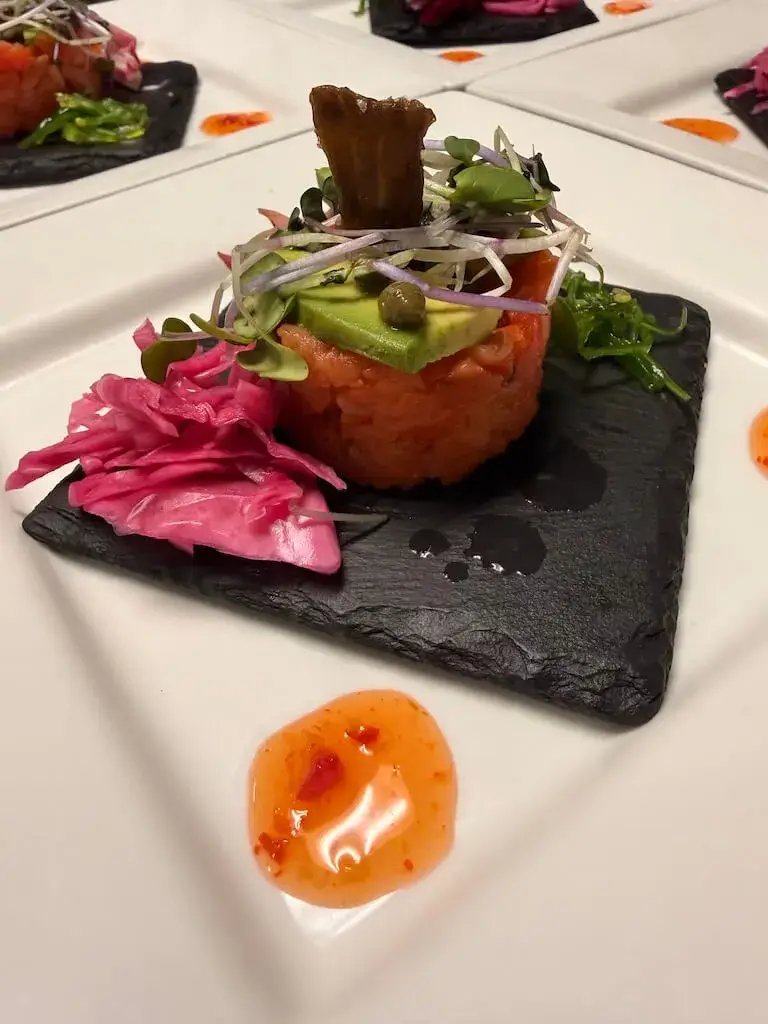
Thoughtful plating can elevate even simple dishes and highlight your technique.
Placing vibrant greens alongside a golden protein creates a sense of freshness and balance that a monochromatic plate simply can’t match. Crispy elements next to creamy add interest. Neat, deliberate portions provide an immediate sense of professional polish.
13. How Ingredient Quality Affects What Your Technique Can Deliver
Knowing how to spot quality ingredients is a hallmark of a professional.
When selecting fish, look for clear eyes and a clean, briny scent. For beef, prioritize bright red color and clean white marbling over duller, aged tones. In the produce aisle, focus on weight over aesthetics: a heavy piece of fruit is a reliable indicator of juice and flavor, while a light one usually lacks both.
Learning these markers takes practice, but it’s what can allow you to shop confidently and avoid wasting money on ingredients that won’t deliver, no matter how well you cook them.
Seasonal ingredients are the ultimate kitchen shortcut. Because they are harvested at their peak, they offer maximum flavor with minimal work. Contrast a summer tomato—perfect with a touch of oil and salt—to the sugar and acid needed to revive a winter one. When you cook seasonally, you’re highlighting ingredients that are already delicious.
Professional cooking requires a balance between economy and excellence. For slow-cooked dishes where ingredients meld together, you can afford to use more humble cuts. But when the ingredient stands alone, its quality becomes the ceiling for your dish’s potential. In these moments, no amount of technique can compensate for a subpar starting point.
How to Enroll in Escoffier: Get the Essential Guide
Attending culinary school is a major decision! In this one-stop guide to Escoffier, explore what makes our school different, programs you can study, how to enroll, pay for your education, and more!
How to Practice Cooking in a Way That Makes You Better
14. The Benchmark Dish Method: How Repetition Builds Real Skill
Repetition builds confidence and muscle memory in ways that variety alone can’t. Instead of cooking a different dish every time, choose one benchmark dish for each skill you want to develop.
Use roast chicken to sharpen your roasting technique, an omelet to practice egg control, and seared fish to refine your pan work. Make these dishes until the movements become second nature; you’ll find that the fluency gained in one area can quickly translate to the rest of your cooking.
“My advice to culinary students is you don’t have to start big. Start small,” says Chef Chad White, a Navy veteran, award-winning chef, and restaurateur.
15. Why Keeping a Cooking Notebook Can Speed Up Your Improvement
Cooking usually gets better when you track what works and what doesn’t.
A simple notebook dedicated to your timings, adjustments, and takeaways can speed up your progress by ensuring you never start from scratch. Use it to document the specific temperature that yielded a golden-brown sear, or the exact moment a sauce broke and why.
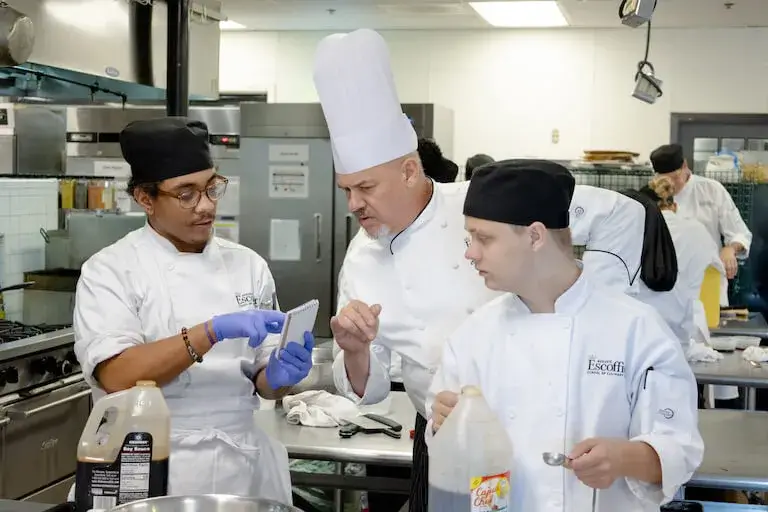
Keeping written notes helps you track what works, refine techniques, and improve with each dish.
This changes random cooking into real learning. Over time, you end up with a reference guide that’s specific to your kitchen, your equipment, and the way you work.
Keep Growing, Keep Cooking
Growth in the kitchen comes from deliberate practice and a commitment to the fundamentals. The cooks who consistently advance are those who stay curious, taste constantly, and treat every service as an opportunity to sharpen their skills.
Structured education can offer access to the “why” behind the “how,” helping you bridge the gap between executing a task and truly understanding the science of the craft.
If you’re ready to explore how formal culinary education could help you refine your skills and fill knowledge gaps, contact us today to find out more about how Auguste Escoffier School of Culinary Arts could help you continue expanding your culinary skillset.
WANT TO KNOW MORE ABOUT IMPROVING YOUR SKILLS IN THE KITCHEN? READ THESE ARTICLES NEXT!
- The Science of Cooking: What Every Chef Should Understand about Chemistry
- 8 Ways Chefs and Home Cooks Can Reduce Food Waste
- 10 Essential Kitchen Tips for Young Chefs
This article was originally published on September 21, 2017, and has since been updated.
FAQs
Culinary school is different from high school—it’s more focused and hands-on. You can spend time practicing techniques, learning kitchen operations, and studying food science and business rather than taking general education courses. The workload requires time management and consistent practice, but the material is directly connected to skills you’ll use in your career, which you may find more engaging than traditional classroom subjects.
A culinary diploma focuses primarily on hands-on cooking skills, techniques, and kitchen fundamentals, and can typically be completed in less time. An associate degree in culinary arts includes those same culinary skills but can also incorporate additional coursework such as food math, nutrition, and professional communications. Both credentials can lead to successful culinary careers—the choice often depends on your timeline, career goals, and whether you might want to pursue further education later.
Yes, many culinary students work while attending school. Escoffier’s online programs can allow students to complete coursework on their own schedule as long as they meet weekly deadlines, making it possible to balance work, school, and other responsibilities. Some students even work in foodservice jobs to gain additional experience while they’re in school.
Program length varies depending on the credential you pursue. At Escoffier, diploma programs can be completed in 30-60 weeks, while associate degree programs can be completed in 60-84 weeks. Online options may offer added flexibility for students balancing work or family commitments while completing their culinary education.