

Listen to This Article:
Plant-based eating has firmly taken root in how we cook and eat, from restaurant menus and grocery store shelves to everyday weeknight recipes. With so many choices available, you might be curious about adding more plant-based protein to your plate. Maybe you’re not sure where to start, which foods actually count, or whether they’ll give you the nutrition you need.
Whether you’re planning a few meatless meals a week or making a bigger shift in how you eat, building a routine can be quite straightforward once you know the basics. Read on to explore what plant-based protein is, what the research says about its health benefits, and practical ways to bring more of it into your everyday cooking, from time-honored ingredients like tofu and tempeh to newer options like plant-based meat substitutes.
What Is Plant-Based Protein?
Plant-based protein is derived from a range of foods, including legumes like beans and lentils, soy foods like tofu and tempeh, whole grains like quinoa, and processed products such as seitan and plant-based burgers. With options ranging from a simple bowl of lentils to a burger designed to resemble beef, the category may be broader than you think.
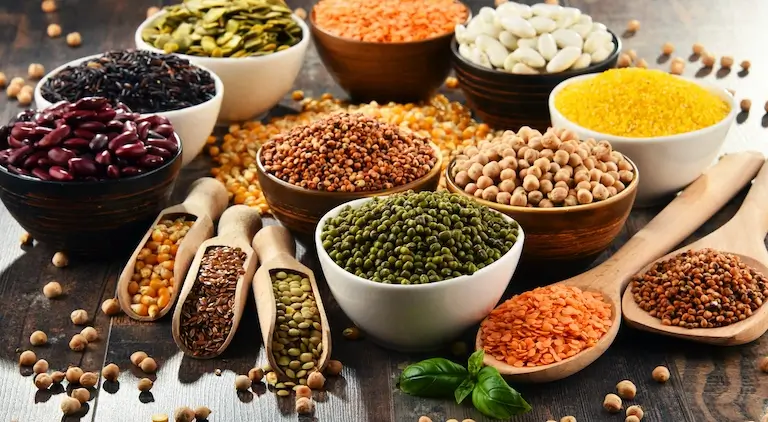
Beans, lentils, seeds, and whole grains give cooks a colorful range of plant-based proteins to work with.
It helps to think of these in two groups: whole-food plant proteins and plant-based meat substitutes.
Whole-food plant proteins are minimally processed and closer to their original form: a lentil is still a lentil, for example.
Plant-based meat substitutes, on the other hand, are formulated to mimic the taste and texture of meat. These include foods like seitan, a chewy protein made from wheat gluten, as well as modern burgers and sausages made with pea protein isolate, soy protein isolate, or a blend of the two. Beyond Meat, for example, uses pea protein in many of its products.
How Do Plant-Based Proteins Stack Up?
The amount of protein varies by ingredient, but many plant-based staples can contribute a substantial amount to a meal.
For comparison, cooked chicken breast provides about 31g of protein per 100g, and 85% lean ground beef provides about 26g per 100g. Seitan and tempeh fall in a similar range, while tofu and legumes provide meaningfully less per equal weight but can close the gap with larger portions.
Here’s how several popular plant-based options compare:
| Food | Serving | Protein* |
| Seitan | 3.5 oz (100g) | 25g |
| Tempeh | 3.5 oz (100g) | 19g |
| Lentils, cooked | 1 cup | 18g |
| Black beans, cooked | 1 cup | 15g |
| Tofu, firm | 3.5 oz (100g) | 12-17g |
| Quinoa, cooked | 1 cup | 8g |
*Values are approximate and vary by brand and preparation. Source: Healthline
Plant-Based Culinary Careers: The Essential Guide
Ever considered transforming your passion for plant-based cooking into a fulfilling career? Dive into our special guide and discover enticing opportunities like running a plant-based restaurant, becoming a plant-based food writer or recipe developer, and more!
Tofu and Tempeh: Thousands of Years in the Making
It’s impossible to talk about plant alternatives without mentioning tofu and tempeh. Before plant-based burgers and meatless sausages filled grocery store shelves, tofu and tempeh were among the most familiar meat alternatives available in the United States. But neither ingredient began as a substitute for meat, and each one has a long culinary history and established roles in Asian cuisines.
Tofu has roots stretching back more than 2,000 years to ancient China. It is often credited to Han Dynasty prince Liu An, although the earliest confirmed written use of the term dates to around 950 AD. Buddhist monks later carried tofu to Japan, where it became closely associated with vegetarian cooking.
The basic method remains much the same today: soybeans are soaked and ground, the resulting soy milk is coagulated, and the curds are pressed into the familiar blocks we know as tofu.

Choosing the right tofu variety and cut can help it hold its shape in stir-fries, soups, curries, and other dishes.
Tempeh takes a different route. Native to the Indonesian island of Java, it appears in written records dating to the 1600s. Whole soybeans are fermented with Rhizopus mold, which acts like culinary glue, binding them into a firm, nutty cake. Because the beans remain whole, tempeh also retains more fiber than tofu.

Fermentation binds whole soybeans into firm blocks of tempeh with a dense texture and distinctly nutty flavor.
Today, both ingredients are used in traditional preparations and as alternatives to meat. Tofu can be scrambled, blended into sauces, fried, baked, or added to soups and stir-fries. Silken tofu works well in smooth, creamy preparations, while firm and extra-firm varieties hold their shape during cooking. Tempeh’s sturdier texture makes it well suited to slicing, crumbling, marinating, and browning for grain bowls, sandwiches, tacos, and stir-fries.
If you are new to either ingredient, try using it with a familiar marinade, seasoning blend, or sauce.
More experienced cooks push the boundaries further. Escoffier Plant-Based Culinary Arts graduate Bree Chumley, a Cleveland-based personal chef, turns tempeh crumbles into a bleu cheese-style spread with spirulina and butterfly pea, and blends black lentils into a savory stand-in for beluga caviar.
Her approach is a reminder that tofu and tempeh aren’t limited to imitating meat. They can imitate almost anything, or nothing at all, depending on what a dish calls for.
From Seitan to Modern Meat Substitutes
With its dense, chewy texture, seitan can come surprisingly close to the bite of meat. Yet this plant-based protein is far from a modern invention. Like tofu and tempeh, people have been making versions of seitan for a long time—more than 1,500 years.
An early written reference to wheat gluten appears in the Qimin Yaoshu, a Chinese agricultural text from the sixth century. The ingredient later became closely associated with Chinese Buddhist cooking, as monks following vegetarian diets used it to prepare meatless versions of dishes traditionally made with chicken, duck, and other meats.
The process begins with an ordinary ball of wheat dough. Washing the dough repeatedly removes much of its starch, leaving behind a stretchy mass of protein-rich gluten that can be seasoned, shaped, and cooked. Traditional seitan is still made this way, but today’s home cooks can take a shortcut with vital wheat gluten, a flour that has already had most of its starch removed. Mix it with liquid and seasonings, and it is ready to shape, simmer, steam, or bake.
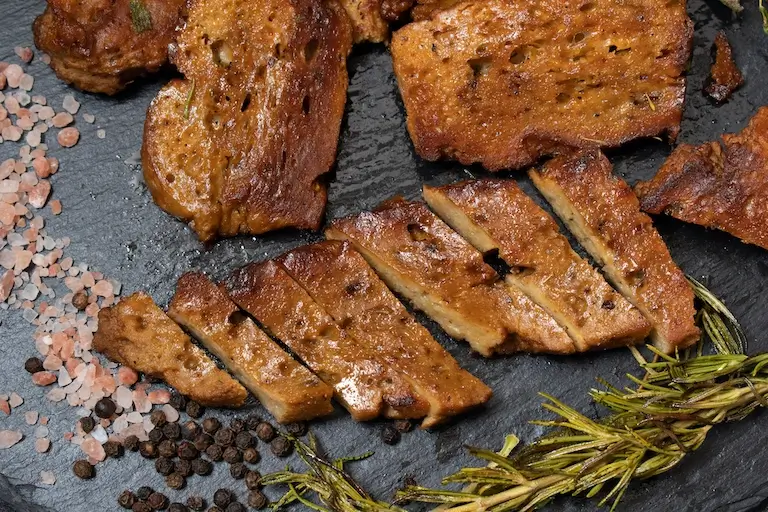
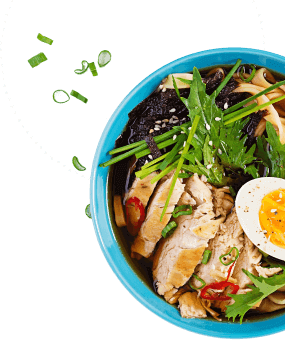
Seitan’s chewy texture allows it to be sliced, seasoned, and browned much like meat.
Although wheat gluten has been eaten for centuries, the word seitan, pronounced “SAY-tan,” is relatively new. Japanese macrobiotic diet advocate George Ohsawa introduced the term in the 1960s, long after the food itself had become established in East Asian cooking. He combined the Japanese words sei (meaning “made of” or “proper”) and tan (from tanpaku, meaning “protein”).
Seitan has a mild, savory flavor on its own, which allows marinades, broths, spices, and sauces to do much of the heavy lifting when it comes to flavor. It can be sliced for sandwiches, torn into pieces for stir-fries, formed into cutlets, or added to stews. Because it is made from concentrated wheat gluten, seitan is unsuitable for people with celiac disease or a wheat allergy. Those with gluten sensitivity may also need to avoid it.
Modern manufactured meat substitutes take a more engineered approach. Rather than beginning with a single traditional protein, products such as plant-based burgers and sausages may combine pea, soy, or rice protein with fats, binders, colorings, and flavorings. These ingredients are carefully balanced to recreate qualities people associate with meat, including juiciness, browning, flavor, and texture.
Beyond Meat helped bring this newer generation of substitutes into the mainstream. Founded in 2009, the company introduced the Beyond Burger in 2016. Its pea protein-based patty was designed to cook, brown, and satisfy more like a conventional beef burger than the grain- and vegetable-based patties many shoppers already knew.

Modern plant-based burgers recreate the familiar format, texture, and toppings of a classic burger.
Between the two “meaty” alternatives, seitan and manufactured meat substitutes serve different purposes in the kitchen, and the better option usually depends on the dish. Seitan, whether homemade or store-bought, holds up well to slicing, shredding, or searing, and gives you more control over flavor since you can season it yourself from the start.
Ready-made burgers and sausages offer a different kind of convenience. They can keep the familiar structure of a meal intact, whether that means grilling burgers at a cookout or crumbling plant-based sausage into a pasta sauce.
Is Plant-Based Protein Good for You?
With all these plant-based proteins available, you might be wondering whether they can actually support your health. Research suggests plant-based proteins can offer substantial health benefits, especially when you build in a little variety.
To understand protein quality, it helps to look at how protein is built. Proteins are made of building blocks called amino acids. While your body produces most of them, there are nine essential amino acids you must get from food. Animal products naturally contain all nine, which is why they are often called “complete” proteins.
Most plant foods only supply some of them, but that’s easy to work around: according to Texas A&M AgriLife Extension, eating a mix of plant proteins over the course of a day, rather than relying on just one, “will likely provide all nine essential amino acids.”
Tofu and tempeh make this even easier. Unlike most plant foods, soy already contains all nine essential amino acids on its own,as do a few others like quinoa, so you don’t have to think about pairing it with anything else. For everything else, you can try mixing it up: oatmeal with nuts at breakfast, beans at lunch, a grain like rice alongside dinner. Over the course of the day, it can even out on its own.
The research on health outcomes is also encouraging. Hunnes points to data linking reduced animal protein intake and increased plant protein intake with longer lifespans and lower rates of chronic disease, including heart disease, high blood pressure, and type 2 diabetes. Part of that benefit comes from fiber, which plant proteins carry and animal proteins don’t. Fiber helps regulate blood sugar and supports the gut bacteria tied to long-term metabolic health.
One nuance worth knowing: not all plant-based proteins offer the same benefit. Mayo Clinic Health System notes that while processed plant-based meat alternatives have improved significantly in taste and texture, it isn’t yet clear whether they provide the same health advantages as whole-food sources like beans, lentils, and tofu. For many people, the healthiest approach might lean more on whole foods first while treating substitutes as an occasional convenience rather than a foundation.

Get the Plant-Based Chronicles
Enjoy cooking with nutritious, plant-based ingredients? Get delectable plant-based recipes and explore how you can make an impact through conscious cooking in this guide.
How to Incorporate More Plant-Based Protein Into Your Diet
Adding more plant-based protein does not require rebuilding your entire diet overnight. Start with meals you already enjoy and look for places where beans, lentils, tofu, tempeh, nuts, seeds, or whole grains can fit naturally.
A few easy places to begin include:
- Breakfast: Stir peanut butter or chia seeds into oatmeal, blend silken tofu into a smoothie, or serve a tofu scramble with toast.
- Lunch: Add chickpeas to a salad, layer hummus into a sandwich, or build a grain bowl with lentils, quinoa, and roasted vegetables.
- Dinner: Replace some or all of the ground meat in tacos or chili with black beans or lentils. Tofu, tempeh, and seitan also work well in stir-fries, curries, sandwiches, and pasta dishes.
- Snacks: Keep roasted chickpeas, edamame, nuts, nut butter, or hummus nearby for something filling between meals.
You can also ease into the change by combining plant and animal proteins. Try replacing half the ground beef in a meat sauce with lentils or adding white beans to a chicken soup. This lets you experiment with new ingredients while keeping the meal familiar.
Lolita Sereleas, a graduate of the online Plant-Based Culinary Arts program at Auguste Escoffier School of Culinary Arts, took a similar approach to the Greek dishes she grew up eating. During culinary school, Sereleas encountered a spanakopita filling made with firm tofu, nutritional yeast, ground almonds, lemon, salt, and olive oil in place of dairy cheese.
“I looked at this recipe, and said, ‘Oh my goodness, my yiayia is turning over in her grave. There’s tofu!’” she said.
Despite her skepticism of the ingredients, Serealas continued on with the recipe and a funny thing happened.
“It is the most delicious thing I have ever tasted,” she recalled.
Serealas went on to serve the dish through Trogo Kitchen & Market, the plant-based food business she founded with her husband. She calls it spanakopita because, tofu filling and all, it still eats like the savory spinach pie her customers recognize. Her approach offers a useful lesson for home cooks: a plant-based adaptation can preserve the seasonings, textures, and sense of comfort that made you love the original dish.
What Could a Day of Plant-Based Protein Look Like?
The numbers below are estimates, since protein content varies by product, recipe, and serving size.
| Meal | Example | Main Protein Sources | Approx. Protein |
| Breakfast | Oatmeal with soy milk, peanut butter, and chia seeds | Soy, peanuts, chia, oats | 20g |
| Lunch | Lentil and quinoa bowl with roasted vegetables | Lentils and quinoa | 22g |
| Snack | Steamed edamame | Soybeans | 17g |
| Dinner | Tofu and vegetable stir-fry with brown rice | Tofu and brown rice | 25g |
| Approximate daily total | 84g |
How Much Protein Do You Actually Need Each Day?
The Recommended Dietary Allowance for the average adult is 0.8 grams of protein per kilogram of body weight, or about 0.36 grams per pound. That means a person who weighs 150 pounds would need approximately 54 grams of protein per day to meet basic nutritional requirements. Looking back at the chart, one cup of lentils would provide roughly one-third of that amount.
This figure is a general starting point rather than a universal target. Protein needs can vary based on age, activity level, pregnancy, health, and fitness goals. The USDA’s DRI Calculator can provide a more individualized estimate, while a physician or registered dietitian can offer guidance for specific health or training needs.
Turn Plant-Based Ingredients Into Culinary Possibilities
Plant-based cooking can open the door to far more than swapping one protein for another. It can invite you to experiment with new ingredients, rethink familiar dishes, and discover how techniques such as marinating, fermenting, roasting, and building layers of flavor can transform what lands on the plate.
If digging into how these ingredients work has you thinking about where that knowledge could take you, Escoffier’s Plant-Based Culinary Arts program explores plant-based approaches and techniques, from working with tofu and tempeh to building menus around whole-food proteins. If plant-based cooking isn’t the only path that interests you, Escoffier’s broader culinary arts programs cover the same foundational skills across a wider range of cuisines.
Could your curiosity about food grow into something more? Contact us today to find out about our culinary programs and discover which path may be right for you.
IF YOU ENJOYED THIS ARTICLE, CONSIDER THESE NEXT:
- Plant-Based vs. Vegan: Why Chefs Need to Know the Difference
- How Escoffier’s Plant-Based Program Compares to Traditional Culinary Tracks
- Choosing Your Culinary Specialization: Culinary Arts, Baking & Pastry, or Plant-Based
This article was originally published February 15, 2019, and has since been updated.
FAQs
Plant-based protein can be part of a healthy, balanced diet. Whole-food sources such as beans, lentils, soy foods, nuts, seeds, and whole grains also provide nutrients such as fiber, vitamins, minerals, and antioxidants. Research has linked replacing some animal protein with plant protein to potential benefits for heart health and a lower risk of certain chronic diseases.
Plant-based meat substitutes vary more widely. When comparing products, check the nutrition label for protein, sodium, saturated fat, and added ingredients.
Plant-based protein is protein that comes from plants rather than animal foods. Common sources include beans, lentils, peas, tofu, tempeh, seitan, nuts, seeds, and whole grains. The category also includes manufactured meat substitutes made with ingredients such as pea protein or soy protein isolate.
Start with meals you already make. Add lentils to soup, stir beans into chili, spread hummus on a sandwich, blend silken tofu into a smoothie, or replace some ground meat with crumbled tempeh. Even one or two plant-forward meals each week can give you room to discover which ingredients, recipes, and cooking methods you enjoy.