Listen to This Article:
Walk into many restaurants today and you’ll find something that didn’t exist a few years ago: a serious non-alcoholic drinks menu. American drinking habits are changing in ways that are hard to write-off as short-lived wellness trends, and there’s a growing number of people who identify as “sober curious.”
Gallup polling confirms a dramatic shift: the percentage of adults aged 18 and older who drink alcohol fell to 54% in 2025, down from a high of 71% in the early 1970s.
Alcohol consumption has dropped for several reasons we’ll explore in a minute, but the key takeaway for anyone in the restaurant and beverage industry is this: that momentum shows no signs of slowing down.
Whether you work at a vegan health food spot, are studying culinary arts with plans to enter the industry, or are employed at a place not typically associated with healthier alternatives (like a local dive bar or burger joint), embracing NA options could be worth considering.
Why Americans Are Drinking Less
Several factors are converging to reshape how people think about drinking, with each one reinforcing the others.
Health awareness is up
In January 2025, the U.S. Surgeon General released an advisory directly linking alcohol consumption to cancer risk, estimating that it contributes to nearly 100,000 cancer cases and about 20,000 cancer deaths annually in the United States.
Less than half of Americans were aware of this connection before the advisory, though younger generations have been ahead of the curve.
“It is becoming clear that, for whatever reasons, today’s younger generations are just less interested in alcohol, and are more likely than older generations to see it as risky for their health and to participate in periods of abstinence like Dry January.” George F. Koob, director of the National Institute on Alcohol Abuse and Alcoholism, said in a statement.
The quality and availability of non-alcoholic options have improved
A decade ago, choosing not to drink often meant settling for a sugary soda or plain sparkling water. Today, many craft breweries produce complex NA beers, distillers create sophisticated zero-proof spirits, and bartenders develop house-made shrubs (drinking vinegars) and botanical infusions.
These thoughtfully crafted beverages can more readily hold their own alongside traditional cocktails. When people can socialize without feeling like they’re missing out on flavor or experience, abstaining becomes easier.
The “eyebrows raised” around not drinking has softened
Ordering a non-alcoholic drink no longer implies you’re in recovery, pregnant, or the designated driver. The “sober curious” label has helped normalize choosing not to drink simply because you don’t feel like it that day, you’re training for a race, you’re prioritizing sleep, or you just prefer how you feel without alcohol.
Temporary alcohol abstinence challenges (TAACs), such as Dry January, have made alcohol breaks part of everyday conversation. A 2023 study found that 7% of young adults participated in one of these challenges in the previous year, and 50% reported drinking less afterward.
The Non-Alcoholic Beverage Market Keeps Growing
The U.S. non-alcoholic beverage market is projected to grow from $178.10 billion in 2025 to $246.90 billion by 2032, with a compound annual growth rate of 4.78%. Millennials and Gen Z account for 62% of consumption in this category.
Growth of Non-Alcoholic Beverage Categories, 2023
| Type of NA Beverage | NA Beer | NA Wine | NA Spirits |
| % Increase | +6% | +7% | +15% |
(Source: “Global beverage alcohol market set for moderate recovery in 2025, while challenges persist in 2024,” IWSR)
Interestingly, NA consumers aren’t usually living a fully sober lifestyle. 93% of people who buy non-alcoholic beverages also purchase alcoholic drinks. These are consumers who want options depending on the day, the meal, or how they’re feeling.
Building Your NA Beverage Knowledge Base
Developing expertise in non-alcoholic beverages means understanding both the technical processes and the ingredients that make them work. Knowing the key terminology can help you communicate more effectively with colleagues, vendors, and guests.
Non-Alcoholic Beverage Terms
| Term | Definition |
| Zero-Proof/Non-Alcoholic | Beverages containing less than 0.5% ABV. For context, apple juice can contain similar trace amounts. |
| Dealcoholization | Removing alcohol from beer or wine after fermentation using methods like vacuum distillation or reverse osmosis |
| Controlled Fermentation | Using specialized yeast or controlled temperatures to regulate alcohol production during brewing |
| Botanicals | Herbs, spices, flowers, and roots used for flavor complexity. Examples: juniper, cardamom, hibiscus, lavender |
| Adaptogens | Plants and mushrooms believed to help manage stress or fatigue. Examples: ashwagandha, reishi, ginseng |
| Functional Beverages | Drinks formulated with ingredients that provide benefits beyond hydration, like vitamins, protein, or CBD |
(Sources: “Non-Alcoholic Beer Alcohol Content: Why Some Still Contain Alcohol,” Go Brewing, “Non Alcoholic Distilled Spirits: A Guide,” The Bartender Company)
Beyond terminology, expertise comes from hands-on experience. Understanding how dealcoholization affects flavor, learning to balance drinks without alcohol’s structure, and pairing botanicals with food are all skills that develop through practice.
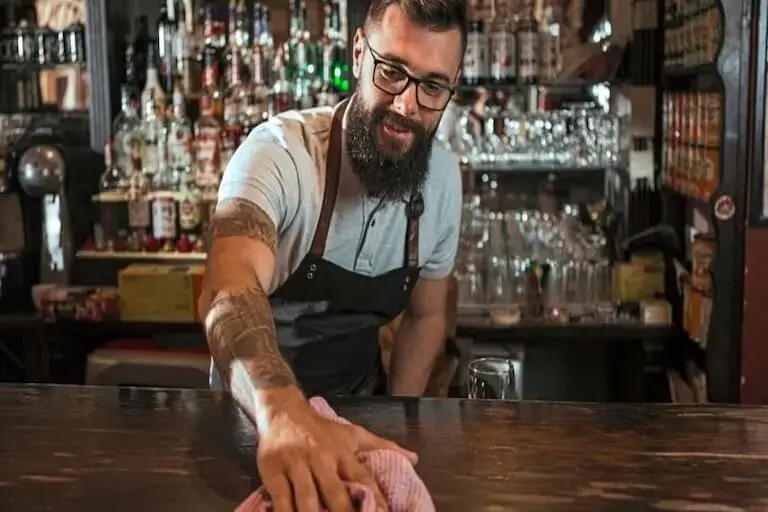
Understanding NA beverage preparation and service makes you a more competitive candidate in today’s hospitality industry.
Building a Non-Alcoholic Beverage Program
Developing a strong non-alcoholic beverage program starts with understanding what your guests want and how to deliver it. The category has evolved far beyond Shirley Temples and virgin piña coladas—today’s NA offerings are taken as seriously as a wine list or craft cocktail menu.
Balance Familiar Options with Creative Originals
A strong NA program typically includes options that mirror familiar alcoholic categories while leaving room for creativity. Start with the basics: dealcoholized wines, NA beers and ciders, and zero-proof spirits. These can appeal to guests who want to maintain familiar rituals, like ordering wine with dinner or a beer with pizza.
From there, build out mocktails. You typically have two approaches: alcohol-free versions of classics (like a virgin mojito or NA old fashioned made with zero-proof whiskey) or original creations unique to your restaurant. Both have their place, but original drinks can give you an opportunity to showcase creativity and to develop signature offerings that guests can’t find elsewhere.
For Bryan Dayton, founder of Half Eaten Cookie Hospitality, offering quality non-alcoholic options was always about hospitality, not just menu diversity.
“We always wanted to bring [customers] into the fold to make them feel really good no matter what that experience was,” Dayton explained on The Ultimate Dish podcast. “Instead of just being able to get a cranberry and soda, it’s ‘Hey, here’s a beautiful cocktail.’ You feel good, and all of a sudden your experience changes when you bring a cocktail that’s just as pretty, if not prettier, than the other cocktails that you bring to the table.”
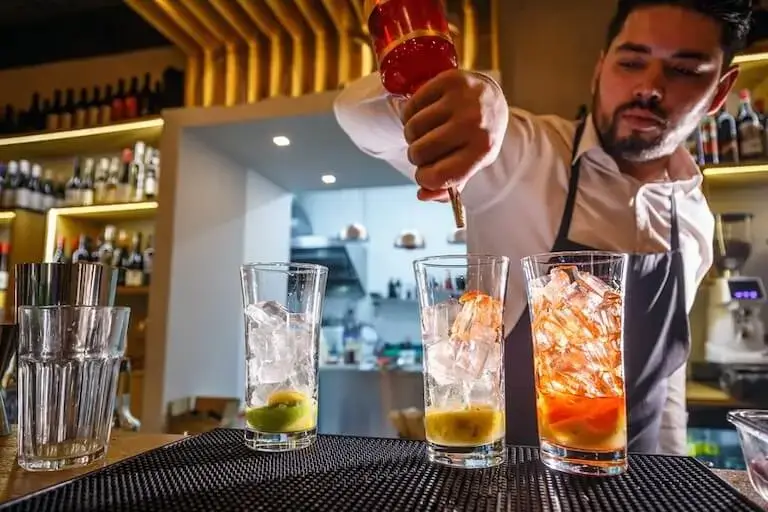
Developing a strong NA beverage program requires the same attention to craft and presentation as traditional cocktail programs.
Consider adding functional beverages with adaptogens or botanicals for wellness-focused guests. Keep your menu diverse enough to offer something light and refreshing, something herbal or savory, and perhaps something with depth and complexity. The goal is ensuring that every guest finds an option that appeals to them, regardless of whether they’re drinking alcohol.
Pairing Food with Non-Alcoholic Drinks
Pairing NA beverages with food follows many of the same principles as wine pairing—consider acidity, body, sweetness, and flavor intensity when matching drinks to dishes.
- High-acid beverages like kombucha or drinks made with citrus or vinegar-based shrubs can cut through rich, fatty foods. Try pairing a grapefruit-ginger kombucha with salmon or a lemon-herb shrub with fried chicken.
- Botanical and herbal drinks can bring earthy, complex flavors that complement vegetables and lighter proteins. For example, a rosemary-cucumber mocktail could pair well with grilled fish, while sage and apple work with pork or roasted root vegetables.
- Sparkling beverages act as palate cleansers between bites, refreshing the mouth similar to champagne or sparkling wine. Mineral-heavy sparkling waters work well with oysters and seafood, while fruit-forward sparkling drinks complement cheese plates.
- Full-bodied, earthy drinks made with ingredients like tea, coffee, or roasted elements can stand up to heartier dishes. A cold-brew-based mocktail pairs with chocolate desserts, while a smoky tea blend often complements grilled meats.
Think about how flavors interact and support each other rather than simply replacing alcohol with a similar-looking drink.
Crafting Quality Mocktails
Creating compelling non-alcoholic drinks requires the same intentionality as traditional cocktails. Without alcohol to carry flavor, you must strategically build complexity, body, and balance.
The Core Principles
- Establish a 2:1:1 foundation: Use two parts base (juice/tea), one part sweet, and one part acid to create a balanced starting point.
- Layer for depth: Combine multiple flavor sources—like ginger syrup and muddled cucumber—to build complexity without alcohol.
- Build body and mouthfeel with fat: Incorporate coconut cream, oat milk, or olive oil to provide the richness and “weight” alcohol usually brings.
- Introduce umami: Use ingredients like miso, soy sauce, or mushroom tea to create savory depth for food pairings.
- Balance with salt: A tiny pinch of sea salt or a salted rim can cut through sweetness and make other flavors “pop”.
- Focus on aromatics: Use expressed citrus oils, torched herbs, or aromatic bitters to engage the sense of smell.
- Taste and adjust: Mix components separately and taste throughout the process to ensure each ingredient contributes correctly.
Building a Mocktail by Style
Start with a 2:1:1 ratio (base : sweet : acid), then layer complexity using the guide below.
| Style | Base (2 parts) | Sweet and Acid (1 part each) | The Layers (Herbal/Finish) |
| Light & Refreshing | Sparkling water or kombucha | Simple syrup or honey and fresh citrus | Mint, basil, or citrus peel |
| Rich & Dessert-Inspired | Juice, cold brew, or spiced tea | Maple syrup or honey & citrus or shrub | Warm spices & aquafaba foam or grated nutmeg |
| Botanical & Savory | Herbal tea or cucumber juice | Light syrup or fruit puree and Vinegar or shrub | Rosemary, thyme, NA bitters, and dehydrated citrus |
Why NA Drinks Make Business Sense
Non-alcoholic beverages can open up new revenue opportunities for restaurants. While the profit margins are often similar to alcoholic cocktails, the real value comes from capturing sales from guests who might otherwise order water or soda.
As one New York bar owner noted to Grub Street, “You make a lot more money selling somebody a $12 zero-proof cocktail than you do selling them a $3 club soda.”
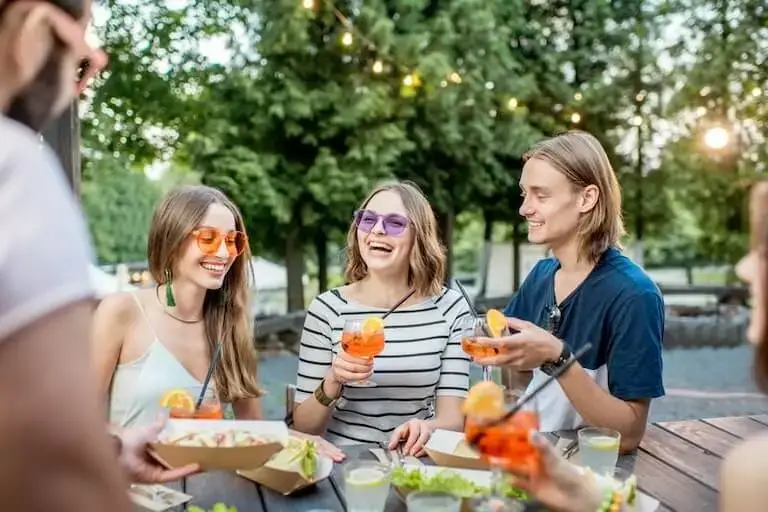
Non-alcoholic beverage options can allow restaurants to serve all guests, regardless of their choice to drink alcohol.
For culinary professionals and bartenders, developing expertise in non-alcoholic beverages can set you apart in the job market. As restaurants look to enter or expand in this space, they need team members who understand how to craft elevated NA drinks, describe flavor profiles with confidence, and make thoughtful pairing recommendations.
Whether through formal training or hands-on practice, building this skill set could make you a more competitive candidate for beverage-focused roles.
Get the Essential Restaurant Management 101 Guide
This guide covers the essentials of restaurant management, from effective team-building and food safety practices to smart financial strategies and compelling marketing.
Career Opportunities in Non-Alcoholic Beverage Development
The role of beverage professionals is evolving. Many sommeliers, traditionally focused on wine, are expanding their scope into what the industry now calls “liquid experience curators” — professionals focused on flavor, occasion, and memorable experiences regardless of alcohol content.
Several high-end restaurants are leading this evolution. Eleven Madison Park in New York developed an acclaimed non-alcoholic pairing menu featuring seasonal juices, infusions, and broths crafted by their sommelier team. The French Laundry in Yountville, California, offers curated tea pairings and kombucha flights developed with the same rigor as wine programs.
Understanding how to source quality ingredients, create balanced flavor profiles, and present drinks with intention are clear priorities of NA programs at Michelin-starred restaurants, and these types of skills could help you stand out across the industry.
Building Skills for an Evolving Industry
Non-alcoholic beverage programs represent a real shift in how restaurants think about hospitality. Whether you’re drawn to bartending, beverage program development, or restaurant management, knowing how to craft quality mocktails and create thoughtful pairings can make you more versatile in a field that values adaptability.
Culinary education can build the foundation for understanding flavor profiles, ingredient sourcing, and menu development—skills that can translate directly to building compelling beverage programs.
If you’re curious about how Escoffier could help prepare you for a career in the modern hospitality industry, reach out to our admissions team to find out more about how Escoffier could help prepare you for a career in the modern hospitality industry.
WANT MORE INSIGHTS ON BEVERAGE TRENDS AND THE CULINARY INDUSTRY? TRY THESE ARTICLES NEXT:
- 2025 Alcohol and Beverage Trends: Key Statistics on What’s Pouring in Bars and Homes
- What Is a Mocktail and What Are the Best Recipes?
- How to Create a Great Beverage Menu
FAQs
The sober curious movement encourages people to examine their relationship with alcohol and make mindful choices about drinking. Rather than complete abstinence, it focuses on questioning when, why, and how much you drink. Challenges like Dry January have helped normalize taking breaks from alcohol and reconsidering drinking habits.
Many modern non-alcoholic beverages have improved dramatically as producers respond to growing demand. Craft breweries and distillers now dedicate resources to developing complex NA beers and zero-proof spirits that compete with each other for quality.
Non-alcoholic beverages can be a smart addition to restaurant programs. The ingredients typically cost less than premium spirits, and guests are often willing to pay for well-crafted drinks regardless of alcohol content. As demand grows, restaurants that develop thoughtful NA offerings may find new revenue opportunities.
Many skills from traditional mixology and culinary training transfer directly. Understanding flavor theory, balancing sweet and sour elements, working with textures, and presentation all apply to NA drinks. The challenge becomes achieving complexity and structure without alcohol, which requires adapting techniques you may already know.
The same principles that guide wine pairing apply here. Think about how acidity cuts through richness, how carbonation refreshes the palate between bites, and how body and intensity should match the dish. The primary challenge with NA pairings is selecting beverages that bring these qualities without relying on alcohol’s natural weight and warmth.