
Listen to This Article:
Stepping onto campus for a culinary school tour or open house can give you an exciting behind the scenes look at a professional training environment, though you might also wonder where to focus first. When you’re weighing hands-on training, campus culture, financial support, and your family’s concerns all at once, it can be easy to feel pulled in too many directions.
This guide breaks down six key areas to evaluate during your tour, from kitchen facilities to externship experiences. Each section details what to look for, questions to ask, and examples of standout programs. By the end, you’ll have a structured framework to help you evaluate schools you visit.
At-a-Glance: 6 Things to Evaluate on a Culinary School Tour
Before diving into the details, use this quick-reference guide to spot the hallmarks of a quality culinary program during your campus walk-through.
| Tour Focus | What To Look For |
| 1. Kitchen Facilities | Professional-grade equipment, specialized spaces, cleanliness |
| 2. Chef Instructors | Industry experience, accessibility, teaching style |
| 3. Curriculum | Technical, professional, and business skills coverage |
| 4. Externships | Required participation, career services, employer partnerships |
| 5. Student Support | Dedicated coaches, alumni network, academic resources |
| 6. Campus Environment | Culture, community, local food scene |
How to Get the Most Out of Your Culinary School Tour
The official culinary school tour is a starting point, not the whole picture. Admissions tours are designed to highlight a school’s strengths, which is great, but you may want to dig a little deeper.
Watch what’s happening around you as you observe different spaces. The details you notice can help tell you about what it may be like to be a student there.
Bring a notebook or use your phone to jot down what stands out, both positive and negative. These notes can be helpful later when you’re comparing schools.
It can also help to come prepared with questions. Ask about things that matter to you, like the average class size, how externships work, and what happens if you’re struggling with a technique. If anything you hear is unclear, don’t hesitate to speak up. This is your chance to get answers to your questions before you commit. And remember to ask the same questions at each school so you can compare answers side by side later.
If possible, ask to talk to current students without the tour guide present. They’ll often give you the most candid perspective on what daily life is really like.
If your tour takes place during class hours, you may be able to peek into a live kitchen or classroom, though these sessions are typically kept uninterrupted. However, if you’re able to arrange a formal class shadow, you can actually get the chance to participate. Watching students and instructors in action can help tell you more than touring an empty classroom.
Before you head out on your first tour, grab this checklist. It can help you stay focused on what matters, ask insightful questions, and take notes so you can evaluate your options later.
Culinary School Tour Checklist
Before You Go:
☐ Bring a notebook or download a notes app on your phone
☐ Prepare 3-5 priority questions
1. Kitchen & Lab Facilities
☐ Professional-grade equipment in multiple specialized spaces
☐ Clean, organized kitchens with clear sanitation systems
☐ Access to teaching gardens or agricultural learning spaces (if important to you)
2. Instructors
☐ Significant industry experience
☐ Accessible for one-on-one help
☐ Ask to meet or observe a chef instructor
3. Curriculum
☐ Covers technical, professional, AND business skills
☐ Specialization options align with your interests
☐ Ask to see a sample course schedule
4. Externships & Career Support
☐ Required externship
☐ Active Career Services with employer partnerships
5. Student Support
☐ Dedicated support staff for students (coaches, advisors, or mentors)
☐ Ask what happens if students are struggling
6. Campus Experience
☐ Campus feels welcoming and energizing
☐ Common areas for student community
☐ Strong local food scene nearby
☐ Ask to sit in on a class or talk to current students
After Your Tour:
☐ Review notes while fresh
☐ Compare how you felt at each school, not just features
☐ Discuss impressions with family
Culinary School Kitchens: What to Look for on Your Tour
Because you’ll do the majority of your hands-on training in the kitchens and labs, these spaces should be among your top priorities to evaluate during a tour.
During your tour, ask to see students working in the kitchens if possible. Watching a class in action can tell you more than an empty kitchen.
Look for variety in the kitchen environment. Ideally, the space features stations tailored to specific skills, from hot line cooking to baking and pastry or garde manger.
Take note of the overall kitchen environment. Look for exceptional cleanliness and clear systems for safety and sanitation. These details can offer a good indication of how seriously a school takes professional standards. The habits you learn in these spaces can carry into your career, so the environment should model the kind of kitchen you want to work in eventually.
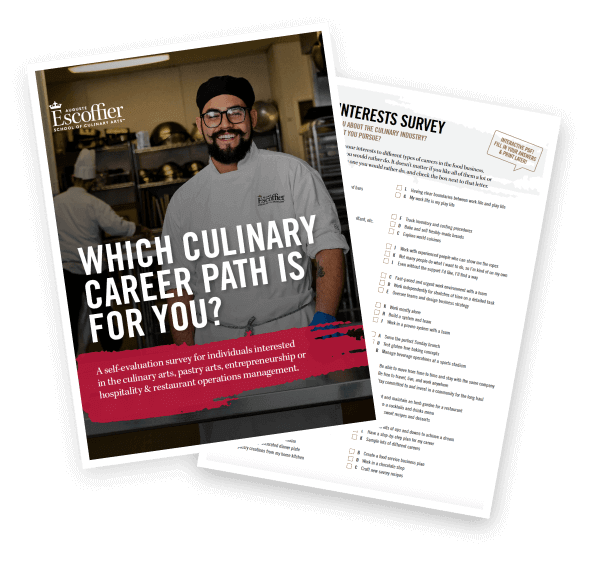
Take the Culinary Career Survey
We’ve compiled a checklist of all of the essential questions into one handy tool: career options, culinary interest surveys, educational opportunities, and more.
Some schools also offer specialized learning spaces that go beyond traditional kitchens. Teaching gardens, agricultural learning centers, or partnerships with local farms can give you hands-on experience with sourcing and ingredient selection.
If sustainability or farm-to-table cooking is important to you, ask whether those kinds of resources are available, how they’re integrated into coursework, and how often students use them. A garden that exists but isn’t part of the curriculum won’t give you the experience you’re looking for.
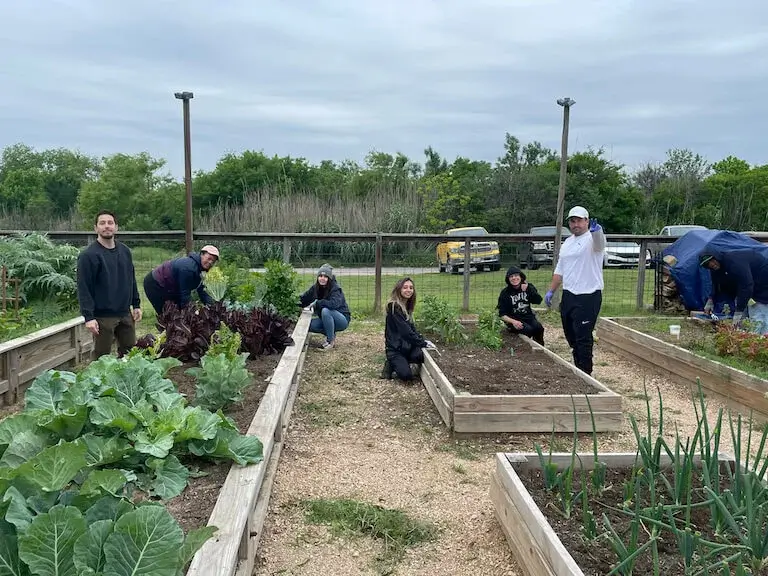
Teaching gardens and agricultural learning centers give students hands-on experience with farm-to-table sourcing and ingredient selection.
Questions to Ask About Kitchen Facilities
- How many different kitchen or lab spaces will I use during my program, and what are they specialized for?
- How often will I be in a hands-on kitchen versus a lecture-style classroom?
- Do you have any garden, farm, or agricultural learning spaces on or near campus, and how often do students use them?
- What kind of equipment will I be working with, and is it the same as what I’d find in a professional kitchen?
What Quality Kitchen Facilities Look Like
Both Escoffier campuses in Austin, TX and Boulder, CO, feature professional-grade kitchens and spaces designed for specific culinary tracks. For example, the Austin campus includes dedicated spaces for various cooking techniques and specialized equipment like smokers that allow students to explore different culinary methods beyond basic kitchen training.
Austin students also have access to an Agricultural Learning Center located near the kitchens, where they can grow, harvest, and cook with seasonal produce as part of their coursework. This farm-to-table experience is built into the curriculum and can give students hands-on practice with sourcing and ingredient selection—not just an optional add-on.
How to Evaluate Culinary School Chef Instructors
Look for chef instructors who have significant industry experience, people who have worked in restaurants, hotels, bakeries, or other culinary businesses.
Pay attention to how accessible instructors seem. Do they offer office hours? Are they willing to answer questions outside of class? Small class sizes can make a big difference here because they can give you more opportunities for personal feedback and mentorship.
If you tour during class hours, watch how instructors interact with students in the kitchen. Do they seem approachable? Are students comfortable asking questions?
Instructors who care about your growth as a professional, not just your technical skills, are invaluable. Ask your tour guide if any chef-instructors are available to meet briefly—even a 5-minute conversation can give you a sense of their teaching style and passion.

Some schools also bring in guest chefs, host chef-in-residence programs, or offer master classes with visiting industry experts. These opportunities can expose you to different cuisines, techniques, and career paths that you might not encounter in regular coursework.
Questions to Ask About Culinary Instructors
- What kind of real-world experience do your chef-instructors have?
- How easy is it to get one-on-one feedback or extra help if I’m struggling with a skill?
- What’s the typical student-to-instructor ratio in hands-on kitchen classes?
The Marks of a Quality Culinary Instructor
At Escoffier, chef-instructors bring decades of industry experience, including work in fine dining, hotels, bakeries, and culinary entrepreneurship. Many have held leadership positions in professional kitchens, owned businesses, and continue to stay connected to the industry.
“Chef Instructors here truly care about the students and the quality of the education,” says Shane Witters Hicks, an Escoffier Boulder Culinary Arts graduate. “Having gone through the entire Escoffier experience in Boulder now, that’s the one thing that stands out to me above other educational experiences that I’ve had.”*
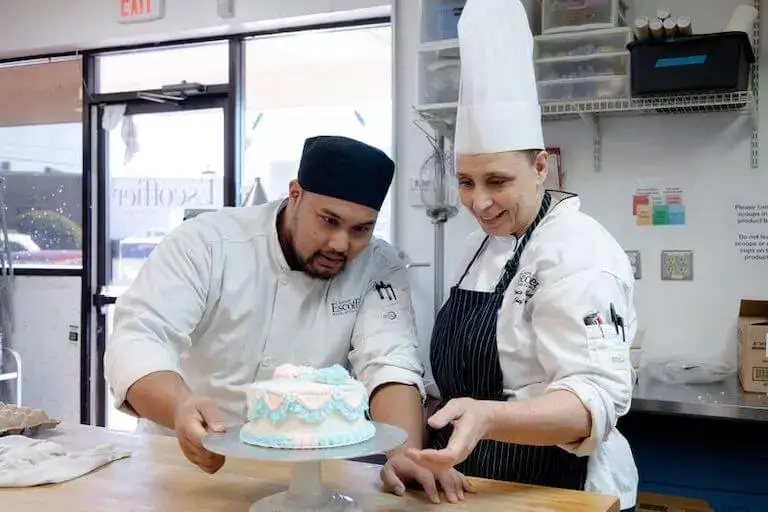
When you tour, watch how instructors move through the kitchen — are they engaged with students, or just supervising from a distance?
What a Strong Culinary Curriculum Covers
A strong culinary curriculum should prepare you for the industry, not just the line. Look for a program that covers:
- Technical skills: knife work, cooking methods, baking fundamentals
- Professional skills: teamwork, communication, time management
- Business skills: menu costing, operations, entrepreneurship
If you already know what direction you want to take, make sure the school offers a pathway that aligns with your goals. It can pay to ask about available concentrations early on to see how customizable your schedule might be.
During your tour, look for posted course schedules, assignment boards, or student work displays. These can help you see what students are doing day-to-day, outside of what is shared in the school catalog.
You may also want to ask questions to find out more about how the program works. How long does it take to complete overall and how many hours does schoolwork take each week? If you are going to be working while attending school, you may want to find out whether there’s flexibility in the schedule or alternative options like online programs.
Questions to Ask About Culinary Curriculum
- Can you walk me through what the first 3–6 months of coursework look like?
- How much of the curriculum is focused on business, management, or entrepreneurship versus pure cooking technique?
- How much room is there to tailor my path?
- What’s the weekly time commitment, and is there flexibility in scheduling?
What Quality Culinary Curriculum Can Look Like
Escoffier offers degrees and diplomas in six areas: Culinary Arts, Baking & Pastry Arts, Food Entrepreneurship, Plant-Based Culinary Arts, Hospitality & Restaurant Operations Management, and Holistic Nutrition & Wellness. While campus programs vary by location and some programs are offered exclusively online, each track is built to support your specific career goal—whether that’s opening a bakery, launching a food truck, or managing a hotel.
The curriculum is designed to build technical, professional, and business skills. Culinary students can study classical and global cooking methods, develop communication and leadership abilities, and explore business concepts like cost control and menu planning. All programs include required hands-on industry externships where students apply what they’ve learned in professional settings.
“I think Escoffier was definitely a good decision for me. I wanted to chase a passion but also get the best habits I could,” says Shai Fernandez, an Escoffier Austin Culinary Arts graduate and sous chef at Sheraton Hotels & Resorts. “Escoffier really kindled that passion. I knew I was getting good habits and techniques instilled there.”*

Externships and Career Support: A Closer Look
Externships and internships can offer you a chance to apply classroom skills in a professional setting. Because requirements vary, it can help to check whether a program mandates an externship for graduation or lists it as an optional add-on. Built-in requirements can reflect a strong institutional focus on practical, on-the-job training.
Look for schools with active career services teams that can help you search for externships and first jobs. Ask about employer partnerships and whether the school has relationships with restaurants, hotels, bakeries, or hospitality groups that regularly hire graduates. Named partnerships with recognizable brands can be a good sign that the school has a strong reputation in the industry.
If Career Services has a physical office, ask to peek in during your tour. You can get a sense of whether it’s an active, student-facing operation or just an administrative back office.
Ask whether the school can share stories of students who turned their externships into job offers or used those experiences to launch their careers. These success stories can give you a sense of what’s possible and how the school supports students beyond graduation.
Questions to Ask About Externships
- Is an externship required for graduation? How many hours are required?
- Where have recent students completed externships or been hired locally in the last year or two?
- What support does Career Services provide while I’m searching for an externship or job—resume coaching, interview prep, or direct introductions to employers?
- Can you share examples of students who turned their externships into full-time positions?
How Schools Support Externships and Career Placement
Every Escoffier student must complete one or two hands-on industry externships as part of their program. These externships are aligned with students’ career goals and can be completed locally or out-of-state and internationally, depending on the student’s interests and circumstances.
The school has relationships with national brands including Four Seasons, Hilton, Whole Foods, Omni Hotels & Resorts, and Xanterra, among others.
“The externship class allows students—even those with no prior experience—to get their foot in the door,” says Vicki Berger, Hospitality & Restaurant Operations Management Chef Instructor at Escoffier. “Once they gain that valuable experience, it is easier for them to determine which path they want to take with their careers.”*
Student Support at Culinary School: What to Look For
Culinary school is demanding, and a strong support system can mean the difference between struggling and thriving. As you tour, look for schools with dedicated support staff, such as coaches or mentors. Knowing you have a reliable point person for financial, academic, or personal hurdles can give you peace of mind to focus on your training.
Also, ask about alumni networks. Schools with active alumni associations can help you form industry connections and opportunities even after you graduate.
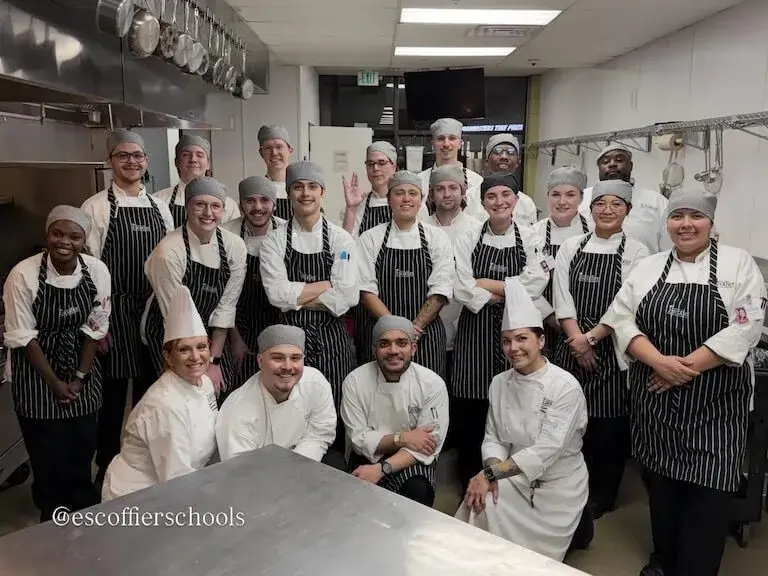
Look for a campus where students seem engaged, supported, and part of a genuine culinary community.
Questions to Ask About Student Support
- What happens if a student is struggling academically, financially, or personally? Is there someone they can talk to?
- Do you have an alumni network or association? How can graduates stay connected and find opportunities through it?
- What does the typical class size look like, and how does that affect the sense of community here?
How Schools Provide Student Support
Escoffier offers Student Success Managers who can monitor student progress and provide proactive support for on-campus students. Coaches can help students navigate obstacles that might otherwise derail their education.
Escoffier’s Alumni Association is an online community of nearly 11,000 members where graduates and students can share resources, connect with mentors, and access job opportunities through the EConnect job board. Members also have access to an alumni directory, a business directory to support each other’s ventures, and career opportunities through Gecko Hospitality for those ready to take their next step in the industry.
Get the Culinary Education Planner & Checklist
Are you ready to embark on your journey to culinary school? Utilize this planner to craft a clear and actionable educational path.
How Campus Environment Can Shape Your Culinary Education
Along with support, pay attention to the environment and culture of the school campus to gauge whether it feels like a place where you can see yourself fitting in. Consider the overall energy of the campus and whether it fits with what you’re looking for in your school experience. Do students seem like they get along with one another?
This is where you’ll be spending the next year or more of your life, so the campus environment matters more than you might think. Walk around and soak it in.
The connections you make on campus — with instructors who’ve lived the industry and students who share your passion — are part of the education too.
Pay attention to the spaces outside of the kitchens too. Are there common areas where students hang out between classes? Do you see bulletin boards with club announcements, event posters, or student work? These details tell you whether there’s an actual student community or just a collection of people taking classes in the same building.
Location can make a huge difference in your experience. Schools in cities with strong food scenes can give you access to restaurant openings, food festivals, farmers markets, and chances to meet chefs and food professionals you wouldn’t encounter otherwise. Being surrounded by a vibrant culinary community can mean you’re learning both inside and outside the classroom.
If you’re touring a campus, take some time to explore the neighborhood around it. What’s the food scene like? Are there restaurants, cafes, or markets nearby that excite you?
If the school offers a “student for a day” experience, take it. Sitting in on a class, eating lunch with current students, or watching a live demonstration can give you a much better sense of what daily life actually feels like than a tour.
Questions to Ask About Campus Experience
- Can I sit in on a class or lab during my visit?
- What do students typically do outside of class? Are there clubs, events, or student organizations?
- How connected is the campus to the local food community? Do students attend restaurant events, festivals, or industry meetups?
- For out-of-town students, what housing options are available nearby, and where do most students live?
What a Quality Campus Experience Looks Like
Escoffier’s Austin campus is located in one of the top food cities in the United States. The dining scene is bold and diverse—barbecue, Tex-Mex, food trucks, fine dining—and students have access to all of it.
“The doors that are opened by being at the Austin campus are mind-blowing,” says Katie Sualog, an Escoffier Austin Baking & Pastry graduate. “You get to meet with a lot of chefs that you probably wouldn’t be able to meet in your normal life. You can’t match that.”*
Local food events, chef collaborations, and the energy of Austin’s restaurant community become part of the learning experience.
The Boulder campus is located in the foothills of the Rocky Mountains. It’s a location known for having a high quality of life and active food scene. Students are able to connect with local farms, work with charitable food organizations, and experience Boulder’s farm-to-table restaurant scene. The location itself becomes part of the education.
See the campus where Boulder’s farm-to-table food community becomes part of your culinary education.
Both of Escoffier’s campuses offer a “Be a Student for a Day” experience so students thinking of applying can see live classes, talk to current students, meet chef-instructors, and watch cooking demonstrations. It’s a great way to see what campus life is actually like.
How to Compare Your Notes After Your Tours
Take some time to review your experiences and compare school notes once you’ve toured the schools that you’re interested in. Think about which school had the most excited students and which instructors seemed the most helpful. Which campus felt like the right fit for you?
Think about how you felt at each campus. Sometimes the school that is the right fit for you might not be the one that checked the most boxes on paper. Don’t ignore those gut reactions on how you felt during your tours.
Share your thoughts and opinions with your family, if they’re helping you make your decision. If they attended the tours with you, they may have noticed things that you didn’t. Remember, the goal is to find the school that is the best for you individually.
Ready to Tour with Confidence?
As you visit schools, remember that this decision is about finding the place where you can thrive. You’re looking for a place where the facilities match your learning style, where instructors will push you to grow, where the campus culture feels right, and where the surrounding food community can inspire you.
The school you choose can help shape your experience for the next year or more, so make sure it’s a place where you can see yourself thriving. Use the checklist from this guide during your tours. Take notes, ask questions, and don’t be afraid to visit multiple schools before making your decision.
Ready to tour Escoffier’s Austin or Boulder campus? Contact us to schedule your visit, sit in on a class, or ask how you can sign up for a “Be a Student for a Day” experience.
INTERESTED IN FINDING OUT MORE ABOUT CULINARY SCHOOL? CHECK OUT THESE ARTICLES NEXT!
- Culinary School Guide For High School Students and Parents
- Associate Degree vs Diploma: What’s the Difference?
- How Long Does It Take to Finish Culinary School?
FAQs
If possible, yes. A second visit, especially during different times of day or days of the week, can give you a fuller picture of campus life. You might see different classes in session, meet different instructors, or notice details you missed the first time. If you’re deciding between two schools, visiting each twice can help you make a more confident choice.
Most culinary schools welcome prospective students at any stage of their decision-making process. Touring as a junior can give you more time to compare schools, save money, and plan your application timeline. Just let the admissions office know you’re a junior when you schedule your tour, as they may tailor the experience to address questions about the application process and financial aid.
Bring a notebook or use your phone to take notes, a list of your priority questions, and comfortable walking shoes since you’ll be on your feet for an hour or more. If you’re touring multiple schools, bring a folder or use a note-taking app to keep your observations organized by school. Some students also bring a parent or trusted adult who can offer a different perspective on what they observe.
Yes, and you should. Reputable culinary schools expect these questions and should be willing to share information about where recent graduates have been hired, what types of careers they’ve pursued, and whether the school tracks employment data.
Many culinary schools offer virtual tours, video walkthroughs, and online information sessions that can give you a sense of the facilities and programs. While virtual tours can’t fully replace the experience of being on campus, they’re a good starting point. If you’re seriously considering a school you can’t visit in person, ask if you can schedule a video call with current students or an extended virtual Q&A with admissions staff and chef-instructors to get a more personalized feel for the school.