

Listen to This Article:
If you’re new to cooking, it might sound almost too simple: four elements, salt, fat, acid, and heat, are behind countless dishes that work. Look closely at a meal you already love, though, and you can see them in action.
Heat turns a roast chicken’s skin into a crisp, golden crust. Fat carries flavor through savory pan drippings. A squeeze of lemon cuts through the richness, while salt brings the other flavors into focus.
Ahead, we’ll break down what each element does, how to recognize when a dish is out of balance, and how you can correct it. Whether you’re preparing for a culinary career or simply want your weeknight dinners to taste more balanced, learning to work with these four elements can help you cook with greater confidence.
Salt, Fat, Acid, and Heat: What Each One Does
| Element | What It Brings to a Dish | Where You’ll Find It |
| Salt | Enhances existing flavors, tempers bitterness, and brings ingredients into focus | Kosher salt, Parmesan, soy sauce, miso, anchovies |
| Fat | Carries flavor and contributes richness, moisture, tenderness, or crispness | Butter, olive oil, cream, eggs, nuts |
| Acid | Adds brightness, balances richness and sweetness, and can change texture | Citrus, vinegar, tomatoes, yogurt, buttermilk |
| Heat | Transforms flavor, aroma, color, moisture, and texture through cooking | Searing, roasting, simmering, frying, baking |
How Cooks Learn to Balance Flavor with Salt, Fat, Acid, and Heat
Salt, fat, acid, and heat are not four steps to follow or ingredients to use in equal amounts. You can think of them almost as levers a cook can adjust to bring flavor, texture, contrast, and depth into balance.
Chef and author Samin Nosrat popularized this way of thinking through her acclaimed book and Netflix series Salt, Fat, Acid, Heat. Her framework connects everyday food science with practical sensory cues, helping cooks understand what is happening in a dish, taste for imbalance, and make adjustments without depending entirely on a recipe.
Consider her framework for a bowl of tomato soup. If the tomato flavor seems muted, it may need salt. If the soup tastes thin or sharply acidic, a little olive oil or cream could add body and soften its edges. If it feels rich but dull, a splash of vinegar may restore brightness. If the tomatoes or aromatics taste raw and underdeveloped, they may need more time over the heat. The same dish can require four very different adjustments, depending on what you notice.
Using that framework effectively starts with tasting critically: noticing not just whether you like a dish, but why it works or falls short, and naming the specific quality it’s missing. A cook who only knows a dish “needs something” is guessing. A cook who can identify that it needs acid rather than salt, or a longer cook time rather than more fat, can fix the problem on the first try.
Escoffier Chef Instructor Dawn DeStefano compares developing that awareness to building muscle memory. DeStefano has students taste ingredients in their pure form before cooking with them, keep a flavor journal to track what they notice over time, and use tools such as flavor wheels to name tastes, aromas, and textures with more precision than “good” or “off.”
“It’s a matter of taste, taste, taste,” she says. And although the salt-fat-acid-heat framework is often discussed in relation to savory cooking, it applies to baking and pastry as well. As DeStefano puts it, savory cooking and pastry are “different branches of the same tree.”

A well-balanced dish brings seasoning, richness, acidity, and cooking technique together on the same plate.
Salt: Bringing Flavors Into Focus
You may not have given salt much thought beyond the shaker on your table, but chefs and food writers have long waxed poetic about this humble ingredient. In An Everlasting Meal: Cooking with Economy and Grace, Tamar Adler writes:
“All ingredients need salt. The noodle or tender spring pea would be narcissistic to imagine it already contained within its cell walls all the perfection it would ever need. We seem, too, to fear that we are failures at being tender and springy if we need to be seasoned. It’s not so: it doesn’t reflect badly on pea or person that either needs help to be most itself.”
Understanding what salt actually contributes, when to add it, and how to recognize when it’s off can help cooks season with far more precision than “add a pinch and hope.”
What Salt Does to Food
Salt can heighten sweetness, temper bitterness, and make the natural flavors of an ingredient easier to recognize. A properly seasoned tomato tastes more intensely like tomato, while enough salt in a loaf of bread allows the flavors created during fermentation to come through.
Salt also affects food physically. It can draw moisture from vegetables, help proteins retain moisture through brining, and influence gluten development and fermentation in bread dough. Timing matters, too. Salting meat in advance allows the seasoning to penetrate beyond the surface, while adding salt gradually to a soup or sauce helps build flavor throughout the cooking process.
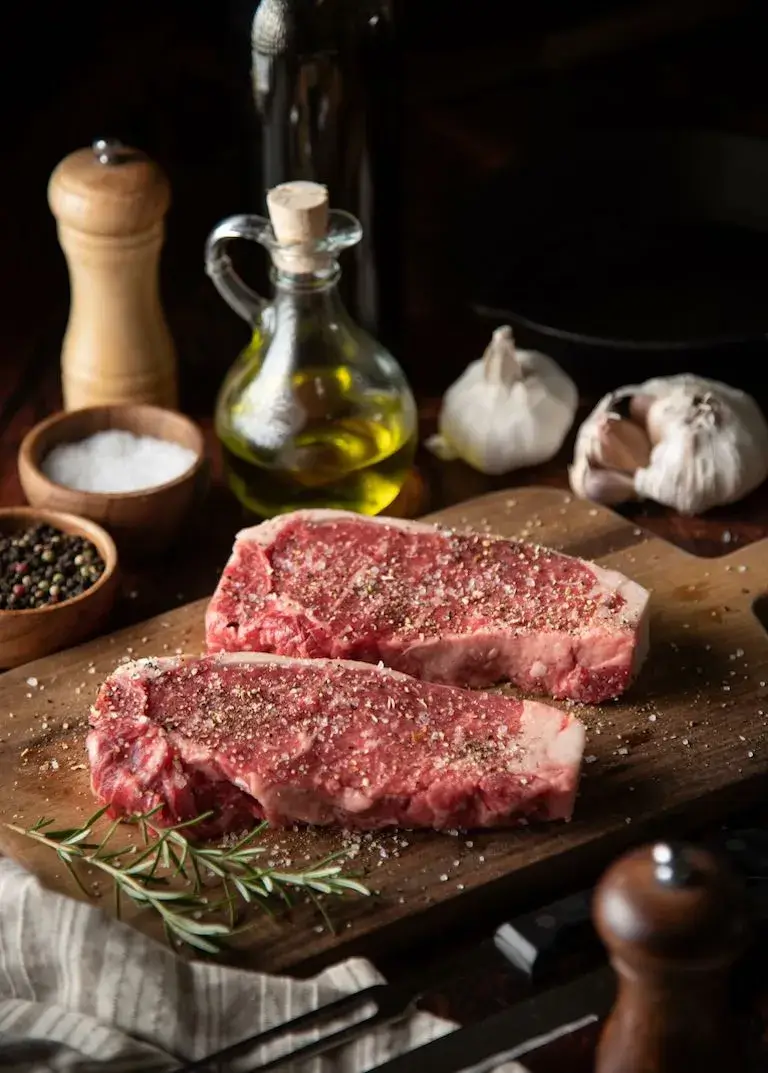
Salting steak before cooking can season the meat beyond its surface and prepare it for flavorful browning under high heat.
Salt is equally important in pastry. It balances sweetness and can make ingredients such as chocolate, caramel, butter, and spices taste more pronounced. A scattering of flaky salt on caramel works by creating contrast and bringing its toasted, buttery flavors forward.
Another clear example is bread, explains Chef DeStefano.
“If you’ve ever had bread (baked) without salt, you’d be like, ‘What is this? Something’s missing.’”
Get the Baking & Pastry Career Plan & Checklist
Aspire to be a pastry chef or baker? Use this 10-step checklist that includes a 90-second career assessment quiz and resume template to take the next step!
Salt Can Come From More Than the Salt Cellar
Salt can enter a dish through many ingredients, some of which contribute additional flavors at the same time. Parmesan can provide saltiness along with nuttiness and umami, while soy sauce brings savory depth and fermented complexity. Fish sauce, anchovies, olives, capers, cured meats, miso, and salted butter can all serve a similar purpose.
Choosing among these sources depends on what the dish needs. A pinch of salt may season a tomato sauce without changing its overall flavor, while Parmesan or anchovies can add both salt and savory depth. Soy sauce might complement a stir-fry, marinade, or braise, but it could introduce an unwanted flavor or color in a more delicate dish.
These ingredients should be counted as part of the dish’s total seasoning. Taste before adding more salt, particularly when cooking with concentrated or reduced ingredients. Stock, cheese, cured meats, and sauces can become noticeably saltier as moisture evaporates.
How to Tell When a Dish Needs Salt
The goal is to make the food taste complete without making salt the dominant flavor. A dish may need more salt if it tastes flat or muted, unusually bitter, watery despite having the right consistency, or less flavorful than its ingredients suggest.
Add a small amount of salt (or a salty element), stir thoroughly, and taste again before making another adjustment. Giving the salt time to disperse can help prevent accidental overseasoning.
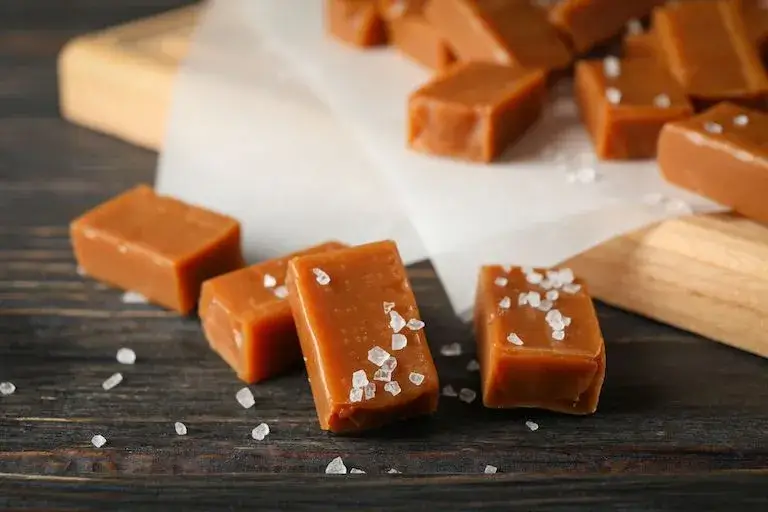
A sprinkle of flaky salt balances caramel’s sweetness while making its buttery, toasted flavors more pronounced.
How to Fix a Dish That Is Too Salty
The most effective correction is usually to dilute the salt. Depending on the recipe, that might mean adding more unsalted stock, vegetables, grains, dairy, or another portion of the dish’s base ingredients.
Another trick for a soup or stew is to add a raw, peeled potato while it simmers, then remove the potato before serving. The potato can absorb some of the excess salt, though it won’t fully rescue a heavily oversalted dish. Fat, acid, and sweetness may soften the perception of saltiness, but they cannot remove the salt already present.
Seasoning in stages can help prevent the problem. Taste after each meaningful addition, and remember that simmering or reducing a dish concentrates salt along with its other flavors. A final taste before serving can help you decide whether the food needs another pinch or whether a different element is actually missing.
Fat: Carrying Flavor and Creating Texture
Fat can make food taste rich and satisfying, but its role extends well beyond richness. Different fats influence flavor, texture, aroma, and cooking performance, which makes choosing the right type and amount an important part of balancing a dish.
What Fat Does to Food
Fat carries many of the flavor and aroma compounds found in herbs, spices, and other ingredients, helping distribute them throughout a dish and allowing their flavors to linger. Blooming spices in oil, for example, can release aromas that may remain muted if the spices are added directly to a liquid.
In baking, mixing vanilla extract into butter or another fat-rich mixture can help distribute its aromatic compounds throughout the batter or dough, contributing to a fuller, more evenly pronounced vanilla flavor.
Fat also shapes texture. Butter can make a sauce silky, olive oil can give a vinaigrette body, and cream can soften the sharpness of an acidic soup. In pastry, fat may create tenderness, flakiness, moisture, or structure depending on how it is incorporated. Cold butter produces distinct layers in a croissant, while softened butter helps create an even, tender crumb in a cake.
“Fat gives everything that mouthfeel,” DeStefano explains, noting that it matters as much in a custard as it does in a roast.
The type of fat matters, too. Butter, olive oil, coconut milk, bacon fat, and sesame oil each contribute a different flavor, texture, and cooking quality.

Blooming chiles, spices, and aromatics in a fat such as oil or butter can release and distribute their flavor compounds throughout a dish.
How to Tell When a Dish Needs More Fat
A dish that needs fat may taste thin, dry, overly sharp, or incomplete. Aromatics and spices might be noticeable at first but disappear quickly, while lean proteins, vegetables, or sauces may lack moisture and body.
The right adjustment depends on the food. A little butter can round out a pan sauce, olive oil can give a vegetable purée a smoother consistency, and cream or coconut milk can mellow a soup or curry. Because fat is filling and can quickly become dominant, add it in small amounts and taste as you go.
How to Balance a Dish With Too Much Fat
Too much fat can make food feel greasy, heavy, or coating. Flavors may become muddled, and the dish can become tiring to eat after only a few bites.
When possible, remove excess fat by draining fried foods, blotting greasy surfaces, or skimming fat from a soup, stew, or sauce. Acidic ingredients such as citrus juice or vinegar can provide contrast, while fresh herbs, bitter greens, pickled vegetables, or crisp garnishes can restore freshness. These additions do not remove the fat, but they can make the overall dish feel more balanced.
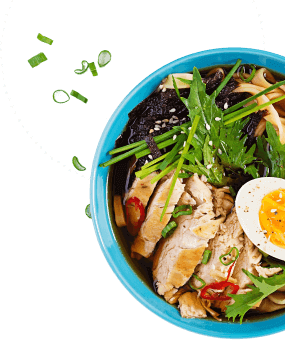
Acid: Adding Brightness and Contrast
When a dish has enough salt but still tastes flat, acid may be what it needs. By adding tartness and contrast, you can use acid to make rich, sweet, or earthy foods taste livelier and more balanced.
What Acid Does to Food
When you squeeze lemon into a buttery sauce or stir vinegar into a slow-cooked stew, you create contrast that makes the dish feel lighter on your palate. Acid can also balance sweetness, which is why you often find citrus, cultured dairy, and tart fruits in pastries and desserts.
DeStefano points to lemon meringue pie as an example of this balance in action. The acidity of the lemon filling is softened by the sweet meringue and rich crust, allowing you to taste each component without any one of them becoming overwhelming.

In lemon meringue pie, tart citrus filling, sweet meringue, rich pastry, and carefully applied heat create balance in every bite.
You can also use acid to change texture. Citrus juice, vinegar, wine, yogurt, and buttermilk are common marinade ingredients because they begin to denature proteins. Timing matters, though, because if you leave meat or seafood in a strong acidic marinade for too long, its exterior may become mushy rather than tender throughout.
Nosrat puts this principle to work in her popular buttermilk-marinated roast chicken, which uses the gentle acidity of buttermilk along with salt to produce tender, flavorful meat.
You can see another version of this reaction in a lemon posset. When you add lemon juice to sweetened cream, the acid causes the milk proteins to come together, helping the mixture thicken into a smooth, spoonable dessert. A panna cotta may have a similar creamy appearance, but it sets through added gelatin rather than acid. The comparison shows how two desserts can arrive at a similar texture through different types of food science.
How to Tell When a Dish Needs Acid
Your dish may need acid if it tastes muddy, heavy, overly rich, or one-dimensionally sweet. If you have added enough salt but the flavors still seem muted, try adding a small amount of acid before reaching for the salt cellar again.
Imagine tasting a braise that has developed plenty of savory depth but feels heavy after hours of cooking. Stirring in a splash of vinegar just before serving can “wake up” those concentrated flavors and make the entire dish taste more defined.
You will often notice acid most when you add it toward the end of cooking. Lemon or lime juice, vinegar, and fermented condiments can lose some of their freshness or complexity during prolonged heating. Wine generally needs to be added earlier so its alcohol can cook off and its flavor can integrate into the dish, although some fortified wines may also work as finishing ingredients.

When a creamy soup tastes heavy or muted, a carefully chosen acidic ingredient can add brightness and definition.
How to Balance Too Much Acid
If your food tastes sharply sour, puckering, or harsh, it may contain too much acid. When possible, add more of the dish’s base ingredients to dilute it. You can also use fat to soften the perception of acidity or add a small amount of sweetness to round off a sharp edge.
Make one adjustment at a time and taste again. Adding too much sugar can trade one imbalance for another, leaving you with a dish that tastes both sour and noticeably sweet.
Heat: Transforming Flavor and Texture
Unlike salt, fat, and acid, heat is not an ingredient. It is the force that transforms the ingredients in front of you, changing their flavor, aroma, color, moisture, and texture. Learning to control it can mean the difference between a pale surface and a crisp crust, or between a silky custard and scrambled eggs.
What Heat Does to Food
As you apply heat, proteins firm, starches absorb liquid and swell, water evaporates, and food begins to brown. Two processes are especially important for developing flavor: caramelization and the Maillard reaction.
Caramelization occurs when sugars break down under heat, creating deeper colors and increasingly complex flavors. You can see it when you torch the sugar on a crème brûlée, transforming it into a thin, brittle crust with toasted notes.
The Maillard reaction occurs when amino acids and reducing sugars react under heat. It produces the browned color, savory aromas, and complex flavors found on seared meat, toasted bread, roasted coffee, and browned butter. Moisture can inhibit this reaction, which is why drying the surface of an ingredient and avoiding an overcrowded pan can help you achieve better browning.

Heat transforms the sugar on crème brûlée into a crisp, caramelized crust that contrasts with the creamy custard underneath.
How to Tell When You Need More Heat
If your food steams instead of sears, remains pale, absorbs too much frying oil, or becomes soft before it browns, your cooking temperature may be too low. You may encounter a similar problem when you overcrowd a pan. The ingredients release moisture faster than it can evaporate, creating steam and preventing their surfaces from browning efficiently.
Consider a steak placed in a pan that has not been adequately preheated. Its surface may turn gray and cook through without developing a flavorful crust. When you place that same steak in a thoroughly heated pan, its exterior can brown through the Maillard reaction, developing a deeper aroma, more complex flavor, and satisfying contrast between the crust and interior.
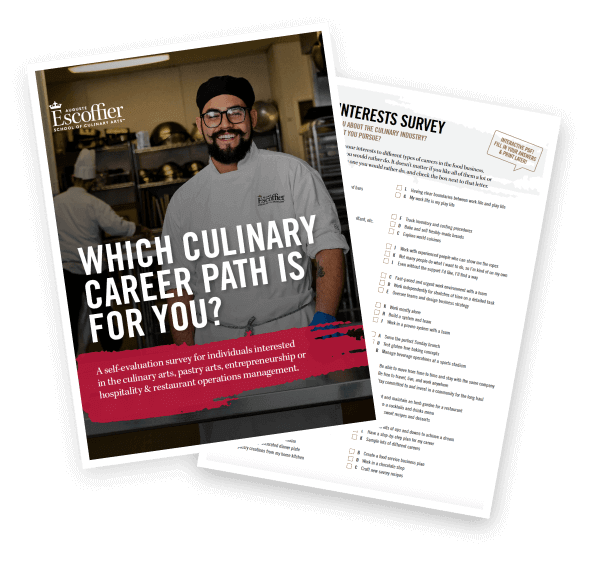
Take the Culinary Career Survey
We’ve compiled a checklist of all of the essential questions into one handy tool: career options, culinary interest surveys, educational opportunities, and more.
How to Tell When You Need Less Heat
If the temperature is too high, the exterior of your food may burn before the center cooks. Butter, garlic, and spices can develop bitter flavors, sauces may scorch or separate, and proteins can become dry or tough.
Match the heat level to the technique and ingredient. Higher heat may be appropriate for searing, sautéing, and crisping, while simmering, braising, melting chocolate, thickening custards, and cooking delicate proteins usually require gentler heat.
Watch, smell, and listen as you cook. If food darkens too quickly, oil begins smoking excessively, or aromatics smell acrid, lower the temperature or move the pan away from the heat briefly. These sensory cues can often tell you more about what is happening in the pan than a timer alone.
Recognizing When a Dish Is Out of Balance
When a dish seems off, try to resist the urge to reach for the salt automatically. Pay attention to its flavor, aroma, texture, and appearance, then use those clues to identify which element may need attention. Make one small adjustment at a time, allow it to disperse, and taste again.
| If your dish tastes or looks… | Likely issue | Try… |
| Flat, muted, or watery | Too little salt | Add a small pinch of salt, stir, and taste again |
| Properly salted but still dull | Too little acid | Add citrus juice, vinegar, or another acidic ingredient |
| Heavy, greasy, or overly rich | Too much fat or too little acid | Remove excess fat when possible or add a bright, acidic ingredient |
| Thin, dry, or sharply flavored | Too little fat | Add an appropriate fat in a small amount |
| Sour, puckering, or harsh | Too much acid | Add more base ingredients, fat, or a small amount of sweetness |
| Pale, soft, or steamed rather than browned | Too little heat | Raise the temperature, reduce crowding, or cook longer |
| Burned, bitter, scorched, or dry | Too much heat | Lower the temperature or shorten the cooking time |
| Overwhelmingly salty | Too much salt | Dilute with unsalted base ingredients when possible |
At home, you may build this instinct by cooking the same dishes repeatedly and remembering what worked, what needed fixing, and how you adjusted it. That trial and error works, but it only teaches you what you happen to cook.
A culinary program offers a different path: instead of learning one dish at a time, you compare preparations side by side, explore a shared vocabulary for describing flavor and texture, and can get direct feedback from chef instructors.
Learn to Cook Beyond the Recipe
The next time you cook, pause and taste before making an adjustment. Notice whether the dish needs sharper contrast, greater richness, clearer seasoning, or simply more time over the heat.
Keep exploring foundational culinary techniques that can help you understand what is happening in the pan and make more informed decisions as you cook.
If you’re ready to develop those skills through a more guided approach, contact us to discuss how Escoffier’s culinary arts and pastry programs (or another program) could help you build a stronger foundation in flavor, technique, and sensory evaluation.
INTERESTED IN LEARNING MORE? CONSIDER THESE ARTICLES NEXT:
- How To Improve Your Cooking Skills: 15 Professional Techniques
- Am I Too Young To Be a Chef?
- What to Look for When Touring a Culinary School (A Checklist)
FAQs
Salt, fat, acid, and heat are four foundational elements chefs consider when building and balancing flavor. Salt enhances flavor, fat carries flavor and shapes texture, acid creates brightness and contrast, and heat transforms ingredients through cooking. Chefs have long worked with these principles, while Samin Nosrat popularized them as an accessible framework through her book and Netflix series Salt, Fat, Acid, Heat.
Not every dish needs four separate ingredients representing each element, nor should the elements appear in equal amounts. Some may already be present. Salmon contains fat, tomatoes provide acid, and Parmesan contributes both saltiness and fat. The balance depends on the ingredients, technique, and result you want.
In this framework, heat refers to cooking temperature rather than chile heat. It includes how you control temperature, time, and cooking methods to affect texture and flavor through processes such as browning, caramelization, simmering, and roasting.
A dish may need salt when its individual flavors taste muted or difficult to distinguish. It may need acid when it is adequately seasoned but still tastes dull, heavy, overly rich, or one-dimensionally sweet. Add a small amount of one element, mix thoroughly, and taste again before making another adjustment.
No. The five generally recognized basic tastes are sweet, sour, salty, bitter, and umami. Salt, fat, acid, and heat form a cooking framework instead. Salt and acid affect taste directly, fat influences flavor and mouthfeel, and heat changes the physical and chemical properties of food.
Yes. Salt balances sweetness, while fat contributes flavor, moisture, tenderness, or flakiness. Acid can tenderize baked goods, react with leavening agents, or help set desserts such as posset. Heat controls rise, structure, browning, and caramelization. Learning to balance these elements can help you create desserts with greater complexity than sweetness alone.