Listen to This Article:
What if the cooking you’re already doing in high school — the family dinners, school projects, and late-night kitchen experiments — was enough to help you stand out when applying for scholarships, competing in culinary competitions, or landing your first kitchen job?
It could be. You just need a way to show it off.
You don’t need a professional kitchen on your resume or years of line-cook experience to be impressive at your age and stage in your career path. What matters is documenting your journey, and you’re starting at a great time.
A culinary portfolio is a curated snapshot of who you are in the kitchen right now: your skills, your projects, your growth, your passion. It’s not about being perfect or having everything figured out. It’s about showing scholarship committees, competition judges, and future employers that you’re serious, you’re building something, and you’re ready for what comes next.
The culinary field is growing fast. According to a 2024 report by Validated Insights, culinary arts schools are the fastest-growing trade school subtype in the country. As such, scholarships, internships and early kitchen opportunities are growing too. Showing up prepared with documented skills can help you stand out when those opportunities arise.
This guide will walk you through what to include, free tools that are available, and how to pull it all together starting today.
What Is a Culinary Portfolio?
Your culinary portfolio creates a visual story of your cooking experience so far. It’s a collection of your skills and accomplished projects that’s organized in a way that allows someone to see what you’re capable of in the kitchen.
Your portfolio shows instead of tells. Instead of writing “I know how to make pasta” on a resume, you include a photo of the fresh fettuccine you made from scratch, along with a short note about what you learned. It helps bring your cooking to life in a way that words alone can’t.
Your portfolio can be digital, physical, or both. A Google Site or Canva presentation can work well when you want to share links with scholarship committees or competition organizers. A printed binder can be helpful for in-person interviews or when you want something tangible to walk through with a mentor or instructor.
You don’t need restaurant experience to begin building a strong portfolio. It can include class projects from your culinary elective, dishes you’ve cooked for ProStart or FCCLA competitions, and even the recipes you’ve been testing at home on weekends.
A professional chef’s portfolio is built on credentials, years of experience, and a track record in the industry. At this stage, your portfolio is about showing your potential, your willingness to learn, and the progress you’re making right now.
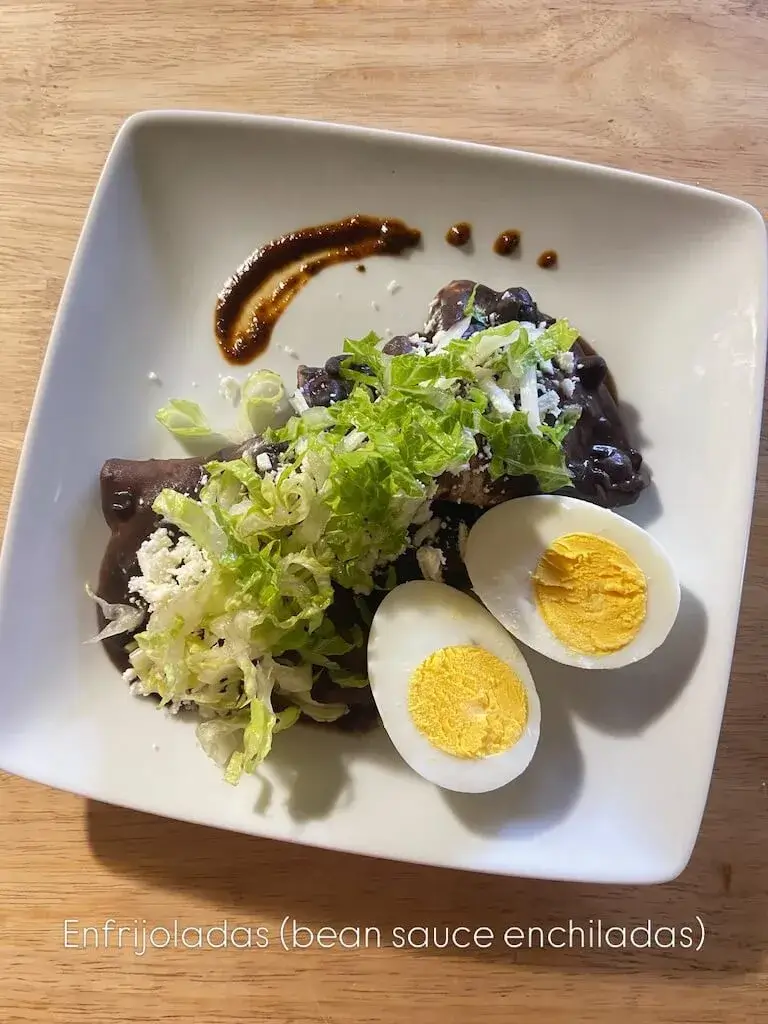
This is what “shows instead of tells” can look like—a clear photo with a description of what you made.
Why Does a Portfolio Matter as a High School Student?
Documenting your skills now can help you position yourself for future opportunities in the growing culinary industry. Chef and head cook employment is projected to grow 7% from 2024 to 2034 according to the U.S. Bureau of Labor Statistics, which is much faster than average. It’s a field worth preparing for early, and a portfolio can help you do exactly that.
Get the Culinary Education Planner & Checklist
Are you ready to embark on your journey to culinary school? Utilize this planner to craft a clear and actionable educational path.
When two high school students apply for the same prep cook position and both have zero professional experience, the one who walks in with a portfolio of documented skills and genuine passion for cooking is more likely to stand out. A portfolio demonstrates initiative. It shows you’re serious enough about cooking to document your progress, learn from your mistakes, and keep building your skills even when no one’s watching.
Early kitchen jobs. As a high school student, your first restaurant job could be be as a dishwasher, prep cook, or host, instead of a line cook. A portfolio can help you break into the food industry, even at the entry level. It shows hiring managers you’re serious about the work, which can be the difference between getting hired and getting passed over.
Competitions and specialized programs. A culinary portfolio can help when you’re competing in culinary competitions or applying for programs like summer culinary camps or mentorship programs. The portfolio can help you show off your skills so judges and coordinators can see what you’re capable of creating. It can help you provide concrete examples of your passion for food and the skills that you’ve been practicing.

What to Include in Your Portfolio
Building a portfolio from scratch can feel overwhelming, especially if you’re looking at professional chefs’ portfolios online and comparing your high school cooking projects to their Michelin-starred plating. But your portfolio doesn’t need to compete with a professional’s. It needs to honestly represent where you are right now and show that you’re actively developing your skills.
You have more to work with than you may think. The dinner you made for your family last week, the cake you baked for your friend’s birthday, the knife skills you’ve been practicing — all of that counts. What makes a strong high school culinary portfolio is evidence that you’re curious, committed, and paying attention to your own growth in the kitchen.
Here’s what to include:
Personal bio / culinary statement
This is a short introduction that explains who you are and what drives you in the kitchen. Two to three sentences is enough. You might mention when you first got interested in cooking, what type of food excites you most, or what you hope to do in the culinary world eventually. Keep it genuine and specific to you.
Skills list
Part of your portfolio can include a list of cooking techniques that you’ve practiced and can execute well. This might include knife skills, soups, eggs, basic baking, or time management in the kitchen.
Be honest about your current abilities instead of trying to inflate them. You don’t need to show that you’re on a professional level. Instead, the goal is to show what you’re actively working on and improving.
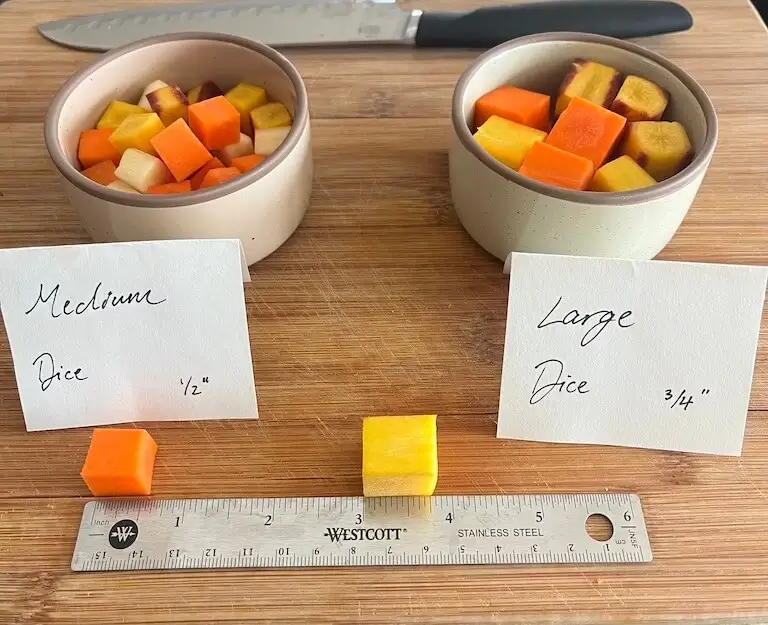
Documenting your knife skills with clear labels and measurements can show precision and attention to technique.
Recipe documentation
Include dishes you’ve made, adapted, or created, with a short note on each. The note doesn’t need to be long — a few sentences explaining what the dish is, any changes you made to a recipe, or what you learned while making it. This shows your thought process and willingness to experiment.
School and program projects
Share the work that you’ve been doing in your culinary electives, home economic class, or any other food-related coursework that you’ve completed. This includes participation in ProStart, FFA, FCCLA STAR events, local BBQ contests, or other school-affiliated competitions. Include photos and descriptions of what you prepared for each event or project.
Food photos
Include pictures of dishes that you’ve made, even if they’re taken with just the camera on your phone. You want the photos to be well-lit to help showcase your finished dishes. You’ll find a few tips to help you take better food photos for your portfolio in the next section.
Include social media links if you have a social media account dedicated to sharing your love of cooking and the dishes that you’ve made. Just make sure the content that you link to is dedicated to food and cooking instead of personal photos. You want it to be something that you want a scholarship committee or hiring manager to see.

Clear photos of your finished dishes belong in your portfolio, even when made at home.
Certifications
You also want to include any food safety certifications that you’ve earned. This could include ServSafe or a food handler’s permit. Including your certifications can help show that you understand the importance of food safety and kitchen standards.
High School Culinary Portfolio Checklist
Every portfolio should have:
The Foundation (Who You Are)
- [ ] Personal Bio or Culinary Statement: A 150-word “mission statement” about your cooking style and goals.
- [ ] Technical Skills List: A scannable list of techniques (e.g., knife skills, soups, eggs, basic baking).
Digital Footprint: Links to your food blog, YouTube channel, or social media accounts focused on cooking. - [ ] Certifications & Awards: ServSafe, OSHA, or any ProStart/FCCLA competition certificates.
The Gallery (What You’ve Made)
- [ ] 3–5 Featured Dish Entries: Each should include a high-quality photo and a brief description of the components.
- [ ] School Project Highlights: Documentation of a specific “lab” or catering event you helped lead. (Also ProStart, FFA, FCCLA, culinary class assignments)
The Vision (Where You’re Going)
- [ ] Concept Menu: A one-page “menu” for a dream pop-up or food truck concept that shows your creativity.
- [ ] Video Walkthrough: A short video of a technique or recipe walkthrough
- [ ] Professional Reference: Contact info or a short quote from a culinary instructor or mentor.
Free Tools to Build Your Portfolio
You don’t need to buy expensive software or pay someone to build a website. There are many free, helpful tools to help you create a high school culinary portfolio. You may already have access to free platforms through your classes, like Google Sites, Canva, or Google Slides.
The platform matters way less than what you actually put in it. A simple Google Slides presentation with good photos and clear descriptions can beat a fancy website with weak content. Pick whatever feels easiest to start with because you can always move things to a different platform later if you want to.
Here are some excellent options:
For Building Your Digital Portfolio:
Google Sites is probably already available through your school’s Google Workspace account. It uses simple drag-and-drop tools and creates a clean link you can share with anyone. If you’ve used Google Docs before, you’ll figure out Google Sites pretty quickly.
Google Slides works well if you want your portfolio to feel more like a presentation you can walk someone through. Most students already know how to use it, and you can share it as a link or download it as a PDF to submit with applications.
Canva has a strong free version with lots of templates that can make your portfolio look polished without needing any graphic design skills. Many schools provide Canva for Education accounts that unlock even more features at no cost. Check with your teacher or school IT department to see if your school has access.
Wix offers a free tier if you want your portfolio to look more like an actual website. The interface is pretty user-friendly, and while the free version will show Wix branding, it includes enough features to build something solid.
Adobe Portfolio is free if your school provides Adobe Creative Cloud access, which is common in schools with design or media arts programs. This gives you more control over the design and can create a more polished look.
For Writing Support
If you get stuck when trying to describe a dish or write your bio, AI tools like ChatGPT or Claude can help. You can use them to help write a first draft of your recipe notes or project descriptions. Then, you can edit it to sound more like you. Your final version should be a true reflection of your voice and experience so potential employers or judges get a sense of who you are and what you’re capable of instead of a generic AI report.
For In-Person Situations
A physical binder can still work really well for interviews or competitions. Print out your best dishes, add them to a clean binder with sheet protectors, and include a card with your digital portfolio link in the front. Having something you can flip through together can help make conversations feel less awkward and give you something concrete to point to while you’re talking.
Keep it Simple to Avoid Overwhelm
Pick one digital platform to start with — Google Sites, Canva, or Wix — and consider one backup option like Google Slides or a binder. You don’t need to build everything at once. Start with what feels most comfortable, and you can always add or switch later.
If your Wi-Fi access is limited, Google Slides or a printed binder work particularly well since you can view and present them without needing constant internet access.
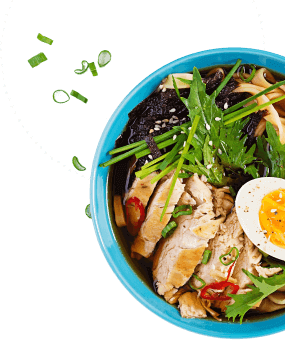
Simple Tips for Better Food Photos
Once you’ve chosen your platform, the next step is filling it with images of your work. Good food photography doesn’t require expensive cameras or professional lighting setups. Your phone camera is more than capable of capturing portfolio-quality photos if you know a few basic techniques.
Start with Natural Light
Shoot near a window during the day rather than using overhead kitchen lights or your phone’s flash. Natural light can make food look more appetizing and shows colors more accurately. If the light feels too harsh and creates strong shadows, try shooting on a slightly overcast day or hang a white sheet over the window to diffuse it.
Clean Everything Before You Shoot
Wipe down your phone camera lens, use clean plates without chips or stains, and clear your workspace of clutter. A beautiful dish photographed on a cluttered counter with crumbs and smudges looks rushed and careless. Take 30 seconds to wipe the rim of the plate and clear the background.
Keep Backgrounds Simple
A wooden cutting board, clean countertop, or neutral-colored plate works better than busy patterns or cluttered surfaces. The food should be the focus, not competing with what’s behind or around it. If your kitchen counter is a bright color or has a busy pattern, try shooting on a large cutting board or piece of poster board instead.
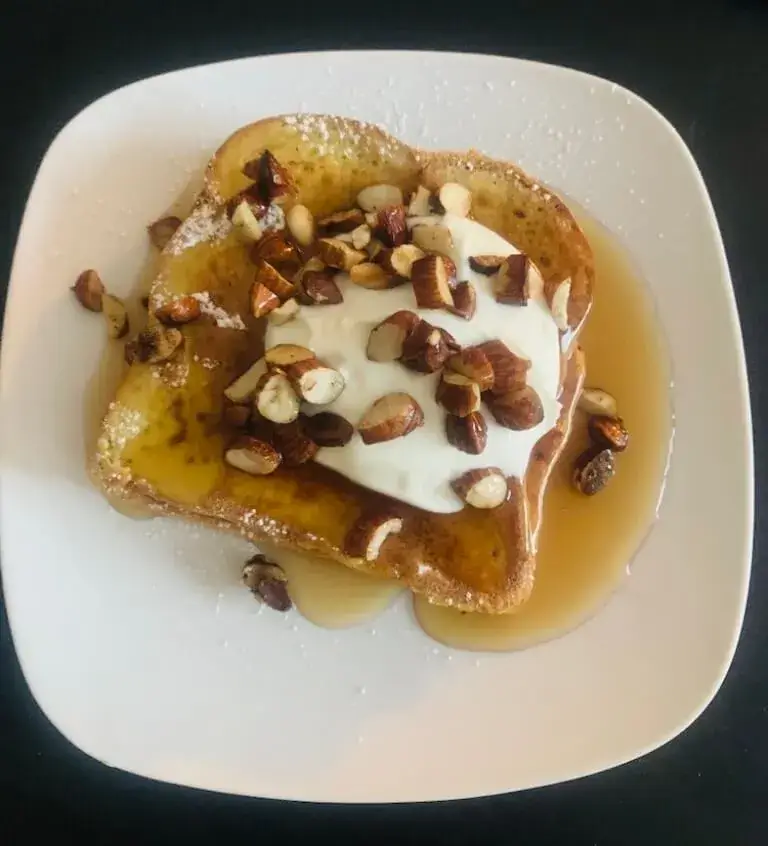
Natural light and a simple white plate let your plating skills stand out.
Use Portrait Mode Strategically
If your phone has portrait mode, try it to bring the dish into sharp focus while softening the background. This works particularly well for plated dishes where you want to highlight specific details like texture or layering. But don’t use it for every shot because sometimes a clear, straightforward photo with everything in focus works better.
Show Process, Not Just Results
Take photos during cooking, not only of the finished plate:
- Prep work and mise en place
- Key technique moments (rolling dough, whisking a sauce)
- The dish at different stages
- The final plated result
These process shots demonstrate your understanding of technique and show the work behind the finished dish. They also give you more to talk about when presenting your portfolio.
Don’t Over-Edit
Your phone’s automatic adjustments are usually fine, so resist the urge to add heavy filters, crank up the saturation, or dramatically change colors. Food should look like food. If you do edit, stick to minor adjustments like a little brightness, a bit of contrast, and maybe a slight crop to improve composition.

How to Present Your Portfolio
Your portfolio isn’t a static document you build once and forget about. How you present it depends on who you’re showing it to and what you’re trying to accomplish.
For kitchen job applications, have your portfolio ready on your phone or bring a clean printed version to the interview. If you don’t have restaurant experience yet, your portfolio can help do the talking for you. Try something simple and confident: “I haven’t worked in a restaurant yet, but here’s what I’ve been practicing at home and in my culinary class.” Then let them flip through or click through your work.
For scholarships and internships, use your portfolio to supplement your essay or application. When you write about your “passion for pastry,” include a QR code or link to your portfolio so the committee can actually see your sugar work or crumb structure. Instead of just telling them you’re committed to learning, show them the progression photos of the same recipe you’ve made five times, getting better each round.
Keep it updated and selective. Add new work as you complete it, and remove older pieces that no longer represent your current skill level. Five strong, well-documented entries can beat twenty rushed ones.
Your Portfolio Starts Today
Every dish you make, every technique you practice, every project you complete is worth holding onto. You don’t have to wait until you’re in a professional kitchen to start building something real — that’s exactly what this portfolio is for.
The culinary world is waiting for people who show up prepared. Whether you’re applying for a culinary scholarship, a competitive internship, or your first line-cook role, your portfolio can demonstrate you have the drive to succeed before you ever walk through the door.
If culinary school is on your radar, explore programs and financial aid options to find the path that works for you. In the meantime, keep cooking, keep documenting, and keep building. The foundation you lay right now is one you’ll carry with you for the rest of your career.
Have questions about culinary school? Contact us to learn more about Auguste Escoffier School of Culinary Arts’ programs, financial aid options, and what your path forward could look like.