
Listen to This Article:
Are you crazy for croissants, bananas for buttercream, or mad for macarons?
Congratulations! You found something that makes your heart sing. But if you want to turn baking and pastry into your career, you may need to know how to turn those tasty treats into a money-making venture. As it turns out, there are many different career opportunities out there for bakers and pastry chefs.
Some baking and pastry careers follow a traditional kitchen ladder, while others branch into creative, educational, or business-focused paths. The tables below give you an overview of career options and then in the sections that follow, you can learn more about the specifics of each role.
What Is the Meaning of Baking & Pastry Arts?
Baking and pastry arts is a specialized branch of culinary arts that focuses on baked goods and desserts. Professionals working in this area focus on the technique, science, and often the creativity necessary to make cakes, pies, pastries, chocolates, and other similar baked goods.
While culinary cooking often happens in real time with customers waiting for their orders, baking and pastry professionals typically work ahead. Breads and desserts are often prepared earlier in the day for customers to enjoy later.
Precision is essential in the baking and pastry industry, making it a potential great choice for people who love to work in the details. Following recipes accurately allows the correct chemical reactions to occur so you can get consistent results each time.
Traditional Careers in Baking and Pastry
A wide range of career opportunities exist within the baking and pastry industry. Some follow traditional paths, such as a pastry chef preparing desserts in a restaurant kitchen or a baker waking early to make fresh bread and bagels before customers arrive for breakfast.
These roles form the foundation of the industry and are where many professionals begin their careers.
Traditional & Corporate Baking and Pastry Careers
| Role | Primary Focus | Typical Work Environment | Career Stage | Average Salary |
| Pastry Cook / Pastry Chef | Plated desserts, pastry production, and dessert menu leadership | Restaurants, bakeries, patisseries, hotels, resorts, catering operations | Entry – Advanced | $60,990¹ |
| Baker | Bread and baked goods production at scale | Retail bakeries, restaurants, wholesale or industrial bakeries, cafes | Entry – Advanced | $36,650² |
| Chocolatier | Chocolate confections, bonbons, and showpieces | Chocolate shops, patisseries, restaurants, event and hospitality settings | Mid – Advanced | $36,650–$60,9902,1 |
| Wedding Cake & Celebration Pastry Designer | Custom cakes and celebration desserts for milestone events | Cake studios, specialty bakeries, catering companies, hotels | Mid – Advanced | $36,650–$60,9902,1 |
| Product Developer (Baking & Pastry) | Research, development, and scalable product creation | Food manufacturers, CPG brands, test kitchens, R&D labs | Mid – Advanced | $92,190³ |
¹ U.S. Bureau of Labor Statistics, “Chefs and Head Cooks,” Occupational Outlook Handbook, May 2024, https://www.bls.gov/ooh/food-preparation-and-serving/chefs-and-head-cooks.htm.
² U.S. Bureau of Labor Statistics, “Bakers,” Occupational Outlook Handbook, May 2024, https://www.bls.gov/ooh/production/bakers.htm.
³ U.S. Bureau of Labor Statistics, “Food Scientists and Technologists,” Occupational Employment and Wage Statistics, April 2025, https://www.bls.gov/oes/current/oes191012.htm.
Salary figures reflect median annual wages for the closest BLS occupational classification. Chocolatiers and wedding cake designers may be classified under Bakers or Chefs and Head Cooks depending on employer and setting. Actual salaries vary based on experience, location, and employer.
Pastry Cook or Chef
Pastry cooks and pastry chefs are the people behind the desserts. In a restaurant kitchen, that often means producing dishes that combine several techniques at once. These may include chocolate work, baked components, fruit preparations, custards, sauces, and sometimes frozen elements, all coming together on a single plate.
For some people, the moment they land in a pastry kitchen, something just clicks. Chef Marion Lancial, an Escoffier graduate who went on to become head chef at a French gastropub in Belfast, Northern Ireland, discovered pastry almost by accident after years spent in completely different fields. It wasn’t until she started working in a restaurant kitchen and rotated through the pastry section that she found her footing.
“I realized this is what I want to do. I like the technicality of it,” Marion said. “I like the chemistry of all the ingredients, and I think you can do absolutely fantastic things with pastry.”*
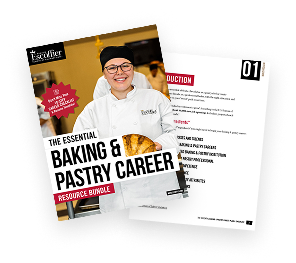
Get the Baking & Pastry Career Plan & Checklist
Aspire to be a pastry chef or baker? Use this 10-step checklist that includes a 90-second career assessment quiz and resume template to take the next step!
As bakers and pastry chefs gain experience, they may take on additional responsibilities such as menu development, recipe testing, and quality control in addition to their regular work.
The skills that tend to matter most in this role:
- Attention to detail when working with formulas, temperatures, and timing
- Consistency in production, particularly when preparing desserts at volume
- Creativity in flavor pairing and presentation
- Time management and organization in fast-paced kitchens
- Leadership and communication skills as responsibilities increase
Career Growth
When entering the pastry industry, you may begin as a pastry assistant or pastry cook. In these roles, you’re likely focused on tasks like mixing, baking, assembling, and basic decorating.
As you gain more experience, you may be promoted to a pastry chef role and eventually into an executive pastry chef or pastry director position. Other possible career moves may include starting your own business, teaching classes, or developing products.
Baking vs. Pastry — What’s the Difference?
Baking and pastry are often grouped together, but they aren’t exactly the same. Baking typically focuses on items like breads, rolls, and cakes. Pastry refers to a broader range of desserts that may combine baked elements with creams, fruits, chocolate, frozen components, and sauces.
Baker
Bakers are one of the most well-known positions within baking and pastry arts. The day-to-day work involved can vary depending on where you work and what you choose to specialize in.
For example, if you’re making bread for a bakery, you may need to arrive as early as 4 a.m. to mix, proof, and bake products before customers arrive. But if you work for a catering company, your hours may begin later in the day as you prepare for evening events.
Bakers can work with anything from bread to pastries and cakes. Much of the work requires careful attention to detail and precision. Consistency is crucial when preparing large quantities of the same products to sell, so the ability to scale accurately and maintain quality in large batches is necessary.
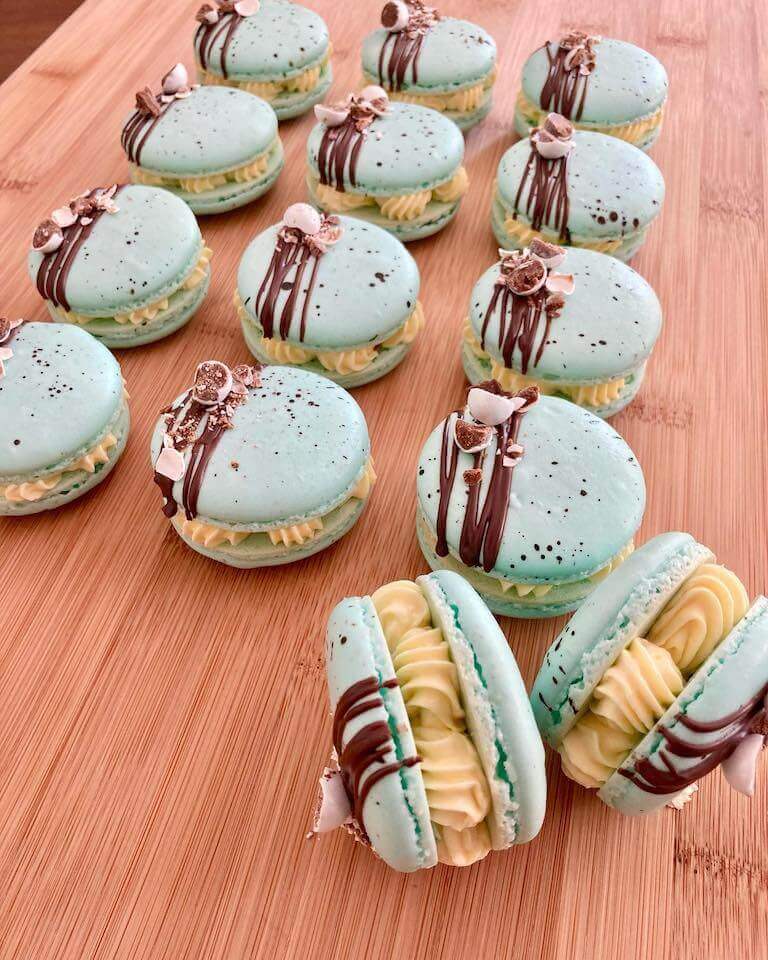
Macarons baked by Escoffier Baking & Pastry Graduate Kaitlin M.
Bakers may rely on a combination of technical knowledge and physical endurance, including:
- Understanding of dough science, including hydration, gluten development, and fermentation
- Accuracy in weights and measurements to ensure consistent results
- Physical stamina and efficiency during long or repetitive production shifts
- Consistency and repetition tolerance, especially in high-volume environments
Career Growth
It’s common for bakers to begin working as an assistant, a production baker, or overnight baker where the roles often focus on scaling, shaping, and baking. As they gain experience, they can advance to lead baker or head baker positions. Some bakers work toward management roles while others open their own bakeries.
A Note on Specialty Bakers
Some bakers take a different path and build their careers around a specific niche. That might mean focusing on dietary needs like gluten-free or plant-based baking, specializing in a particular cultural tradition, or zeroing in on a single product like macarons, croissants, or cookies. The tradeoff is depth over breadth, and for the right person, that focused expertise can become a real competitive advantage, whether they’re working for someone else or building their own bakery brand.
Chocolatier
Chocolatiers work almost exclusively with chocolate, but that doesn’t mean the career path is narrow. Depending on where you work, you could spend your time handcrafting sweets like truffles, bonbons, and molded confections for a specialty store, or you could create elaborate chocolate showpieces for high-end events.
Temperature, humidity, and timing all impact how chocolate behaves, so skilled chocolatiers have to know how to work with it in any environment. They are skilled at tempering, molding, enrobing, and finishing pieces with precision and consistency.
Getting truly comfortable with chocolate at every stage of production takes time, repetition, and a whole lot of patience, but for those who love the craft, that’s part of the appeal.
Building a chocolatier career requires technical control and sensory awareness, including:
- Mastery of chocolate tempering, viscosity, and working temperatures
- Attention to detail in molding, enrobing, and finishing
- A refined palate for cocoa origins, flavor pairings, and inclusions
- Presentation and design skills for packaged products or showpieces
Career Growth
Chocolatiers can begin with a background in pastry or confectionery work before moving exclusively into chocolate work. As they gain experience and build their skills, they can advance into lead chocolatier roles, create their own products, or open a specialty chocolate shop. Others move into brand leadership, consulting, or event-focused chocolate design.
Escoffier graduate Erin S., who goes by “Chocolate Judge” on Instagram and Facebook, carved out a unique career path as an international craft chocolate judge.
As an IICCT (International Institute of Chocolate and Cacao Tasting) Level 3 certified chocolate taster, Erin travels the world evaluating fine chocolate, demonstrating that the expertise gained in chocolate studies can lead to specialized roles in global sensory analysis and industry advocacy.
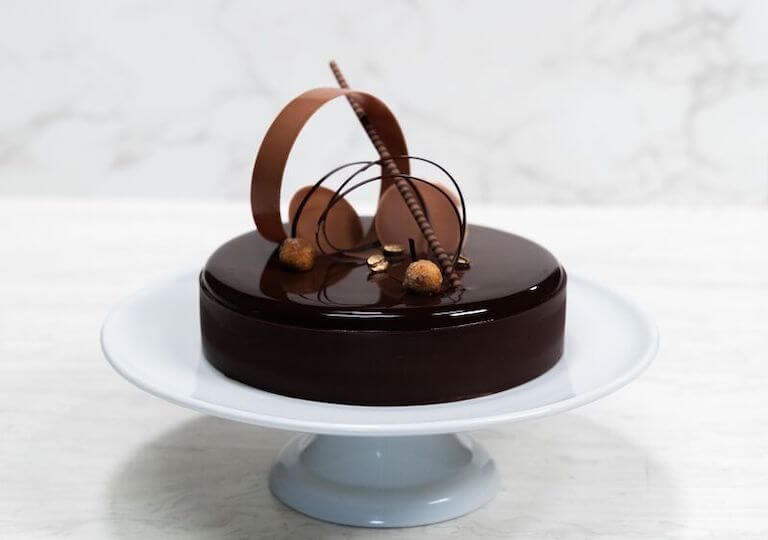
Chocolatiers can combine skills such as chocolate tempering and piping to create delicious works of art.
Wedding Cake & Celebration Pastry Designer
Wedding cakes are their own specialty niche within baking and pastry. Wedding cake designers must have a thorough understanding of cake decorating skills, flavor development, and structural components.
They also need to have a great eye for design as well as an ability to interact closely with customers, some of whom may be quite stressed about their big day. It’s the cake designer’s job to take the client’s wishes and work with them to create a realistic yet show-stopping cake.
That process involves a lot more than just baking. Designers manage everything from flavor development and baking the cake layers to assembling and stacking multi-tier cakes that need to hold up through transport, setup, and hours on display. Tastings, consultations, and production timelines are all part of the job, and keeping clients calm and informed along the way is just as important as the technical work.
Success in this role requires a balance of artistry, structure, and client management, including:
- Strong baking fundamentals and reliable cake formulas
- Knowledge of structure and support systems for multi-tier designs
- Advanced decorating techniques, such as buttercream, fondant, and sugar work
- Client communication and expectation-setting during consultations
- Organization and time management to meet fixed event deadlines
Career Growth
Many wedding cake and celebration pastry designers begin as general bakers or decorators before specializing in custom celebration work.
With experience, they may advance to lead designer roles, open their own studios, or build teams that support multiple events at once. Some expand into education, consulting, or branded celebration dessert businesses.
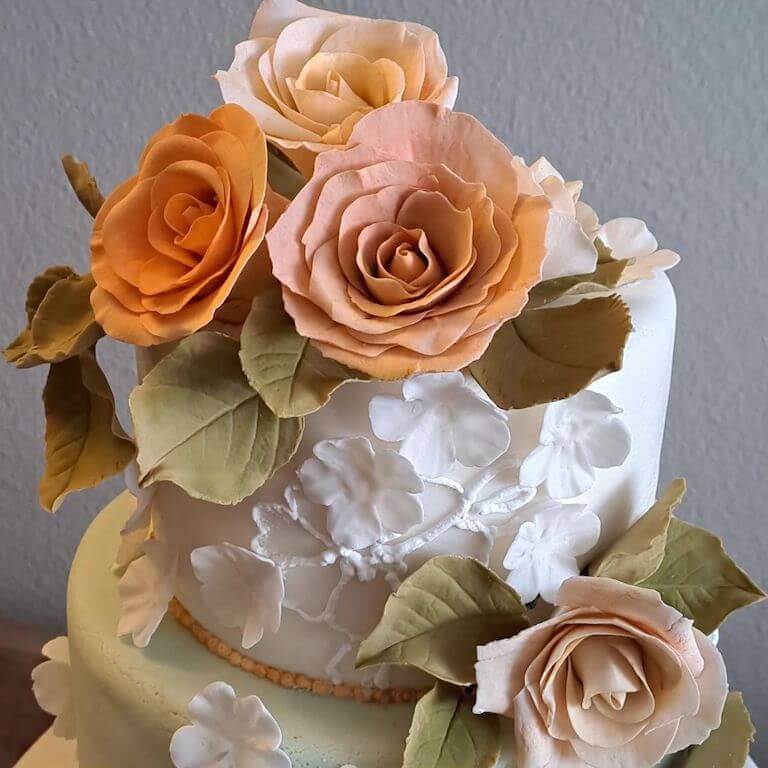
Wedding cakes can offer a canvas for delicate fondant work, as seen here from Escoffier Baking & Pastry Graduate Natsu M.
Product Developer
If you love the experimental side of cooking, then product development may be an interesting career choice for you. Instead of making the same products every day, you could spend your time creating new baked goods and desserts or finding ways to improve existing products.
That work can take a lot of different forms. Some product developers focus on retail items like packaged mixes or frozen desserts. Others work on food service or restaurant menus. What most of them have in common is a process built around testing, whether that means trying out a new ingredient, adjusting a formula, or running trials to see how a product holds up over time.
The goal is always to achieve something that works at scale without losing what makes it good. Texture, flavor, shelf life, and consistency all have to survive the jump from a test kitchen to full production, and figuring out how to make that happen is where a lot of the real problem-solving lives.
Building a career in product development depends on culinary expertise along with analytical thinking, including:
- Strong understanding of baking techniques and food science
- Ability to scale formulas while maintaining consistency and quality
- Attention to documentation and process control
- Awareness of consumer preferences and market trends
- Collaboration skills when working with marketing, operations, and suppliers
Career Growth
Product developers may begin their careers as bakers or pastry professionals, gaining experience in commercial kitchens before transitioning into test kitchen or R&D assistant roles.
From there, they may advance into senior product development positions, manage R&D teams, consult independently, or launch their own food brands.

Beyond the Kitchen: Media, Education, & Business Careers
Some bakers and pastry professionals prefer a non-traditional career path. If you enjoy creativity, education, media, or brand work in addition to baking and pastry work, then one of these non-traditional roles may be worth exploring.
Roles in this category can provide more flexibility and variety, but they can also come with less predictable income ranges and career trajectories.
In these roles, experience, consistency, and your ability to build an audience or client base can largely impact what you’re able to accomplish. Some chefs choose to build these careers as side hustles alongside their 9-5 (or 4 a.m.-12 p.m.) job and others choose to pursue them as a full-time career.
Baking Careers Beyond the Kitchen: A Quick Guide
| Role | Core Focus | Daily Activities | Ideal For Individuals Who… |
| Baking & Pastry Blogger or Writer | Content & storytelling | Developing recipes, writing articles, and producing digital media | Enjoy writing, sharing ideas, and building an audience |
| Food Stylist or Photographer | Visual storytelling & aesthetics | Arranging and capturing baked goods for commercial or editorial use | Have a strong visual eye and enjoy creative, behind-the-scenes work |
| Pastry Arts Instructor | Teaching & mentorship | Demonstrating techniques and guiding students through complex processes | Enjoy teaching, explaining concepts, and helping others grow |
| Edible Art Sculptor | Aesthetic precision & artistry | Crafting high-end decorative pieces using sugar, chocolate, or dough | Love artistic challenges and precision more than service work |
| Bakery Merchandiser | Presentation & sales | Designing retail displays and analyzing product placement to drive sales | Are interested in visual merchandising and consumer behavior |
| Brand Ambassador (Baking & Pastry) | Product advocacy & engagement | Representing brands at events or online through product demonstrations. | Are outgoing, communicative, and comfortable representing products |
Baking & Pastry Blogger or Writer
Food bloggers can combine their passion for the culinary arts with writing and storytelling. Instead of making food for someone else to eat, you can bake away and share your process, recipes, stories, and photos of your finished products with the world.
You may create your own website in addition to being active on social media platforms like YouTube, TikTok, and Instagram. When you’ve built a strong following, you can make money through ads, affiliate commissions, paid sponsorships, or selling your own products like a digital cookbook.
As a baking and pastry writer, you could also write for magazines or publications that highlight cooking and lifestyle topics like Good Housekeeping, bake Magazine, or Bon Appétit.
This career path can take time before you’re able to make money from it, as Joy Wilson, the baker and blogger behind JoyTheBaker.com, discovered. She launched her blog in 2008 while working two jobs and trying to figure out what direction she wanted to go with her career as a baker.
Joy tried wholesale baking, making scones for coffee shops, and even wedding cakes before finding the best fit for her. The blog started as a side hustle, and her early audience was, by her own description, twenty to fifty people. But she kept showing up anyway.
“[I] was working two jobs and trying to be consistent on the blog,” Joy said on The Ultimate Dish podcast. “Everyone would go to the bar, and I’d be like, ‘I’ve got to go home and write a blog post.'”*
Today, her blog has grown into a full media brand with cookbooks, a magazine, and over half a million Instagram followers. When asked about the key to connecting with an audience, she said, “You just have to very much be yourself, whoever that self is.”
Food Stylist or Photographer
If you love baking and have a creative eye, food styling and photography might be worth a look. The job isn’t about the baking itself. It’s about making the food look so good that people can’t stop admiring it, whether that’s for a cookbook, a magazine spread, a brand campaign, or a blog.
Food stylists can handle tasks from sourcing ingredients and preparing dishes to plating and keeping everything looking delicious throughout a shoot. Food photographers are responsible for capturing the best photos of the dish. Both roles call for an eye for aesthetics, an understanding of composition, and comfort with cameras and lighting.
Pastry Arts Instructor
If you love baking and you love helping people learn, teaching might be a natural fit. Pastry arts instructors work with aspiring bakers and pastry chefs, helping them build the skills and confidence they need to work in the industry. It’s a role that calls for a strong technical background, but just as important is the ability to break down complex techniques in a way that makes sense to someone encountering them for the first time.
Chef Tracy DeWitt knows that feeling well. A pastry arts Chef Instructor at Escoffier with nearly 30 years of teaching experience and multiple Food Network Challenge gold medals, Chef Tracy has built her teaching philosophy around preparation, encouragement, and creating space for students to grow through their mistakes. Her catchphrase says it all: “Sugar happens.”
“The one-on-one with students is what I live for,” she said. “I got to speak with some students one-on-one, and that just filled my heart up with joy.”*
Patience and a passion for teaching can go a long way in this role. You may find yourself working at a culinary school like Escoffier, a community college, or creating your own private classes for the general public.
Edible Art Sculptor
If you have a flair for fine art along with a passion for pastry arts, creating edible art sculptures may be the right career for you.
Edible art sculptors create intricate pieces that go well beyond dessert—think competition showpieces, elaborate event centerpieces using ingredients like chocolate, sugar, and baked goods. These are the kinds of sugar sculptures that stop people in their tracks at high-end venues and specialty bakeries.
Creativity and precision play equal parts here, and a background in traditional art or design can be just as valuable as time spent in a pastry kitchen.
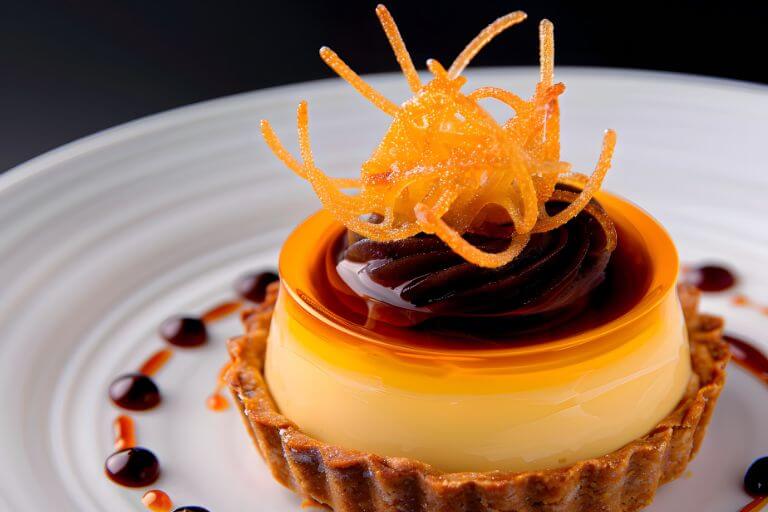
Edible art sculpting allows you to pair your creativity and artistic ability with baking and pastry skills.
Ambassador for Baking and Pastry Brands
Brand ambassadors represent baking and pastry companies out in the world, demonstrating products, engaging audiences at events and trade shows, and building enthusiasm for the brands they work with. The work can take a lot of different forms. Some ambassadors focus on in-store demonstrations or live events. Others build their presence primarily through social media, creating content around the products they represent.
It’s a role that tends to suit people who are as comfortable talking about food as they are making it. Strong communication skills and a genuine passion for baking can go a long way here, as does the ability to connect with an audience and make a product feel approachable and worth trying.

Get the Guide to Becoming a Food Critic
Turn your love for food into a rewarding career! Discover how you can get your foot in the door as a content creator, build a strong professional network, and gain experiences that can help you stand out from the crowd.
The Path Toward Your Dream Baking & Pastry Career
Turning a passion for baking into a career takes more than enthusiasm. It takes technique, repetition, and the right kind of guidance. Here’s where most people start.
Learn Everything You Can From Experienced Bakers
The best place to start could be with a baking education. Baking and pastry is both a creative art and a precise science and understanding both components can be key to your success.
In the Baking and Pastry program at Escoffier, students can explore fundamental techniques like measurement, flavor development, and ingredient interactions. With this information in hand, they can dive into their coursework and begin creating dishes like rustic French bread, delicate baked custard, and viennoiseries.
In school, students are bound to make mistakes, but rather than seeing these as setbacks, Chef Instructors can help students view them as learning opportunities and a chance to improve.
For example, if a loaf of bread sank during baking, instructors can encourage students to think about how gluten development, dough rise time, and baking temperature impacted the final product. With help from their instructors and a bit of investigative work, students can note that their loaf was overproofed, and make a note to avoid this mistake next time.
Get Plenty of Experience
After completing your formal education, the next step is to practice (and practice some more!). The best way to perfect your pastry and baking skills can be to get out there and do the work—not once, not twice, but hundreds of times.
Pastry school can allow you to get started with repetitions and can also allow you to obtain a hands-on industry externship where you can continue to practice and receive feedback.
Beyond the classroom and externship, seek out mentorship wherever you can find it. If you’re working in a bakery, pay attention to the most experienced person in the room. Ask questions and volunteer for the harder tasks.
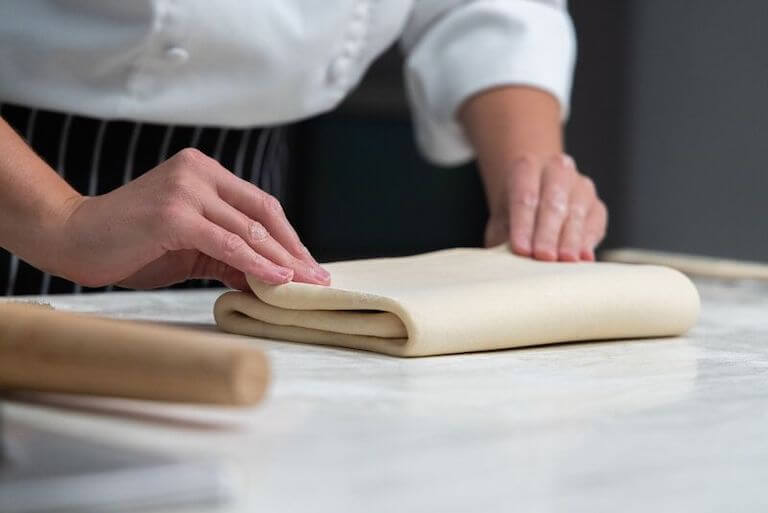
Repetition can help you become skilled at tasks such as creating laminated doughs.
Prove Your Bona Fides With Certifications
As your career develops, certifications can be a way to demonstrate your skills to employers and clients. Organizations like the American Culinary Federation and the Retail Bakers of America offer credentials that signal a high level of proficiency in the field.
For some bakers and pastry chefs, earning one of these certifications becomes a natural next step after years of hands-on experience as a way to put a formal stamp on the expertise they’ve already built.
One Industry, So Many Career Choices
Baking and pastry may appear to be a narrow field at first glance, but it can offer many exciting career opportunities. Whether you want to be baking loaves in the morning at a bakery, assembling petit fours at a restaurant, or managing your own schedule as a pastry blogger, you can create the career of your dreams within the world of baking and pastry.
Get in touch with Escoffier to talk about the next steps toward a flour-filled, chocolate-dipped career in baking!
TO LEARN MORE ABOUT CAREERS IN BAKING AND PASTRY, TRY THESE ARTICLES NEXT:
This article was originally published on November 1, 2021, and has since been updated.
FAQs
A pastry cook works under the supervision of a pastry chef, focusing on the production side of things: mixing, baking, and assembling desserts. A pastry chef, on the other hand, leads the department. That means taking on bigger-picture responsibilities like developing the dessert menu, testing new recipes, and making sure quality stays consistent across the board.
Formal culinary school isn’t required to get a job in the pastry industry. Many bakers and pastry cooks begin in entry-level roles and gain on the job experience. However, culinary education can help speed up the learning curve, especially when it comes to learning the science of baking.
This is why some people choose to combine their hands-on experience with a pastry diploma or degree. Formal training can also help if you’re interested in moving into a leadership role.
Baking and pastry work is hands-on and can require long hours. You may be required to lift heavy bags of ingredients and work in a warm, fast-paced environment.
Developing good time management skills, efficient workflows, and paying attention to details like ergonomics can help. Those in management roles may do more planning and creative work and less of the heavy lifting.
Baking and pastry skills can lead to a wide range of other careers outside of a restaurant setting. Some people start their own bakers, develop their own products, teach classes, or become food influencers.
Others use their kitchen background as a foundation for roles in hospitality management or food entrepreneurship.
There isn’t a single timeline. For many people, moving from entry-level roles into lead or supervisory positions takes several years of consistent experience. Reaching head baker or pastry chef roles typically takes longer and depends on the type of operation, mentorship, and opportunities available.
Formal education, externships, and strong mentors can help shorten that path by providing a solid foundation in technique, organization, and leadership early on.
Baking and pastry can be a good long-term career option if you enjoy precision work, creativity, and working with your hands. There are many who build long careers by specializing in a specific area, shifting into leadership roles, or expanding their work into business ownership.
Long-term careers in this industry often come through continuing to learn new skills and techniques, managing burnout effectively, and staying open to new opportunities. Your career doesn’t have to look the same after ten years as it did when you first got started.