
Listen to This Article:
If you’re a high school student thinking about culinary school, you don’t have to wait until graduation to start preparing. The time you spend cooking at home, joining school activities, working a part-time job, or learning how to stay organized in the kitchen can all help you build a stronger foundation.
You also don’t need to arrive at culinary school already knowing how to make every sauce, decorate a perfect cake, or run a busy kitchen station. Culinary school is where you can develop those skills with guidance. Right now, the goal is to develop the mindset and the habits that can help you learn, including curiosity, consistency, food safety, teamwork, and resilience.
From simple cooking drills to summer programs and first kitchen jobs, there are plenty of ways to start exploring a culinary future while you’re still in high school.
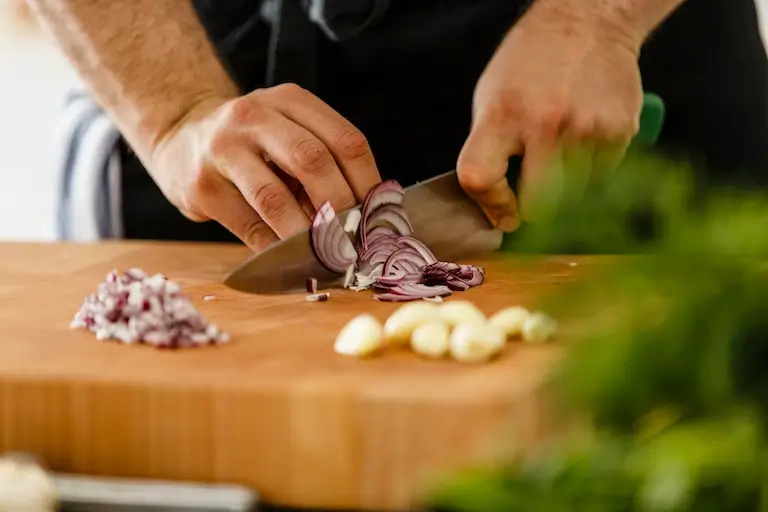
Regular knife practice can help students develop safer, more controlled, and more consistent movements.
Start Training Your Palate
If you love being in the kitchen, you probably already enjoy tasting food. But can you go a little deeper? Can you explain what you are tasting? Can you tell what is making a sauce acidic, where the sweetness is coming from, or whether a texture feels crisp, creamy, chewy, or dry?
These are the kinds of details cooks pay attention to every day. Tasting carefully can help you figure out when a dish needs more salt, a squeeze of lemon, a little sweetness, or more time to cook. It also helps you learn the language of the kitchen. In culinary school and professional kitchens, you will need to understand what a dish might need, explain what you are noticing, and follow feedback from chefs and instructors.

You can also keep a simple tasting notebook. Write down what you notice using words such as bright, smoky, earthy, tangy, rich, crisp, or silky. The more you practice describing food, the easier it becomes to understand flavor, communicate clearly, and make smart adjustments while you cook.
Make Your High School Classes Count
While you’re still hitting the books, think about how your current classes can help you in the kitchen. Culinary school may be hands-on, but many of the skills you will use there start in subjects you’re already studying.
Science can help you understand what is happening to food as you cook. You can dive deeper into this in culinary school, but the Maillard reaction, for example, is the chemical reaction that creates a flavorful crust on a steak. Science is also behind the way gluten develops in bread dough and how steam helps pâte à choux puff up in the oven.
If you look up to chefs like Ferran Adrià or José Andrés and are curious about molecular gastronomy, chemistry plays an especially important role in techniques involving emulsions, fermentation, caramelization, and acids.
Math is just as useful. Cooks and bakers work with fractions, ratios, percentages, conversions, and recipe scaling all the time. You may need to cut a recipe in half, make enough food for a larger group, calculate food costs, or use baker’s percentages to adjust a dough.
Art classes can also shape the way you think about food. Color theory, balance, proportion, composition, and negative space can all support plating and cake design. A dish should taste delicious, but it also should look inviting. After all, people often “eat with their eyes first.”
Other subjects matter as well. English and communication classes can help you read recipes carefully, write prep lists, explain ideas, and work with a team. Business classes can introduce you to budgeting, pricing, marketing, and the planning that goes into opening a restaurant, bakery, or food business.
Have a love for languages? That can come in handy too. Classical French cooking uses terms such as brunoise, dépouiller, and roux, while many restaurant teams also communicate in Spanish. According to the National Restaurant Association, 21% of restaurant and foodservice employees speak Spanish at home, including about 23% of chefs and 31% of cooks. Learning another language can make it easier to understand kitchen terminology and communicate with more members of your future team.
You may not use every lesson exactly as it appears in class, but learning how to solve problems, follow directions, and communicate clearly can make you stronger in the kitchen.
Practice the Habits Professional Kitchens Expect
Cooking skills matter, but professional kitchens also rely on organization, safety, focus, and teamwork. You can start building those habits at home long before your first day of culinary school.
Try these simple exercises:
- Read the entire recipe before you begin. Look for steps that require chilling, resting, marinating, or preheating so you’re not surprised halfway through.
- Set up your mise en place. Gather and measure every ingredient, tool, and pan before turning on the stove.
- Clean as you go. Wash a bowl, wipe the counter, or put ingredients away whenever you have a break between steps.
- Label and date your food. Practice marking leftovers and prepared ingredients so you know what they are and when they were made.
- Create a safe workspace. Keep knife handles away from the edge of the counter, use separate surfaces for raw foods, and turn pan handles inward.
- Practice one repetitive task carefully. Dice several vegetables, shape a batch of rolls, or pipe a full sheet of matching designs while trying to keep each one consistent.
- Ask for feedback. Serve your dish to someone you trust and ask what they notice about the flavor, texture, and presentation.
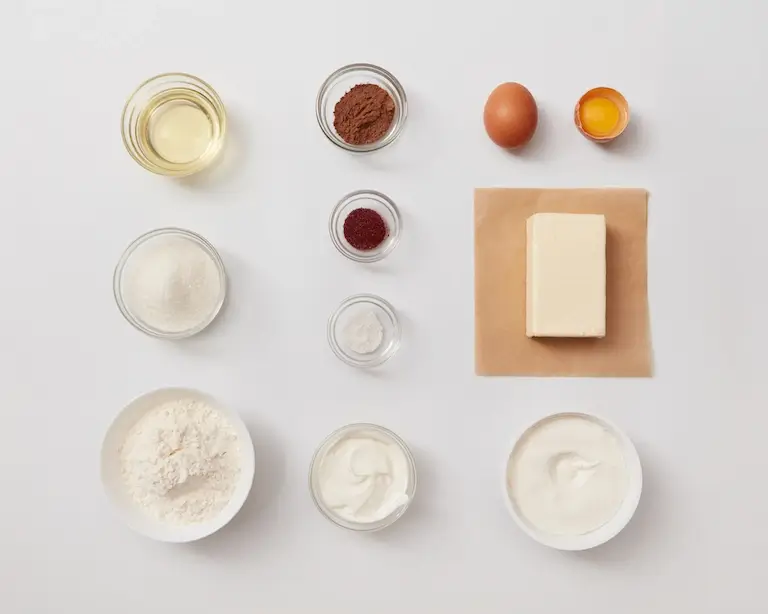
Setting out ingredients before you begin is a simple way to practice mise en place and stay organized.
Build Your Own Culinary Curriculum
If you’re already in the school mindset, you might have fun creating your own culinary “curriculum” at home. Choose a few skills to practice, keep track of what you learn, and gradually take on more challenging recipes.
This is also a good chance to explore different culinary paths. You may find yourself drawn to the savory side of culinary arts, or you might prefer the precision and creativity of baking and pastry. You don’t have to decide now, and you certainly don’t need to perfect these skills before culinary school. The goal is to experiment, build confidence, and notice what keeps you excited to return to the kitchen.
| Level | Culinary Arts Practice | Baking and Pastry Practice |
| Start here | Practice a safe knife grip, cook eggs a few different ways, make rice, and roast vegetables. | Learn to measure ingredients by weight, bake cookies, and practice creaming butter and sugar. |
| Build your skills | Make stock, practice a simple pan sauce, and learn safe cooking temperatures for meat and poultry. | Make pastry cream, practice pie dough, and pipe even lines, shells, or rosettes. |
| Try a challenge | Plan and cook a complete meal while timing several components to finish together. | Bake a loaf of bread, assemble a layer cake, or try tempering chocolate. |
Good knife skills take time to develop, and repetition can help your movements become safer and more consistent. If baking and pastry interests you, break out the piping tips and practice on parchment paper, a reusable buttercream piping guide, or a cake you can share with friends or neighbors.
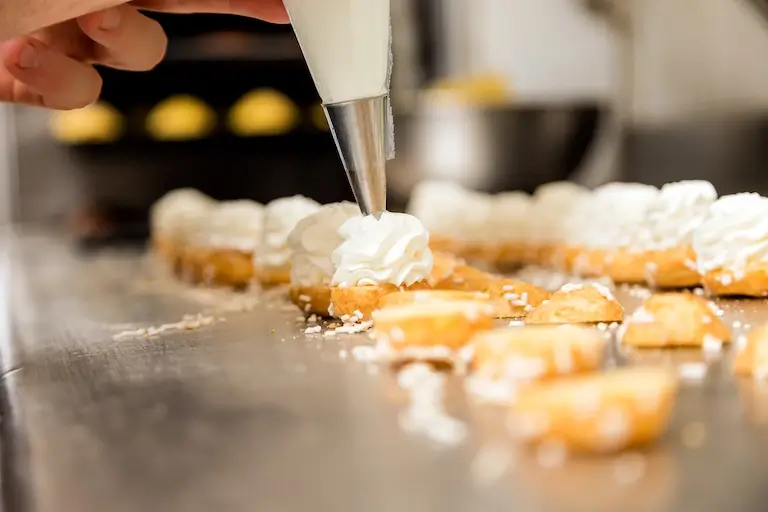
Students interested in baking and pastry can practice piping until their shapes become more even and consistent.
You can also keep a notebook or photo log of what you make. Write down what went well, what you would change, and which skills you would like to practice next. Over time, you can see how much your technique and confidence have grown.
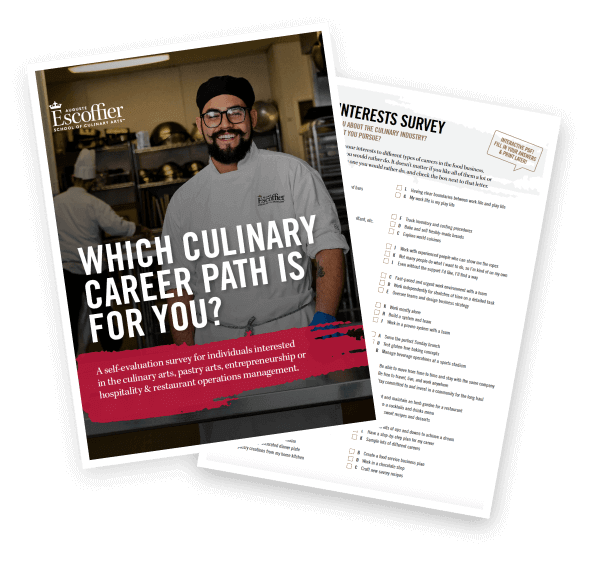
Take the Culinary Career Survey
We’ve compiled a checklist of all of the essential questions into one handy tool: career options, culinary interest surveys, educational opportunities, and more.
Watch the Professionals in Action
You can learn a lot by watching experienced chefs and bakers work. This can be as simple as eating at a local restaurant. If you’re able, try to sit as close as you can to the action of the kitchen, especially if the restaurant has an open kitchen plan. Pay attention to how chefs communicate, how they set up their stations, and what happens at the pass.
Depending on your age and local employment laws, you may also be able to get a part-time kitchen job before culinary school. This can give you a closer look at the pace and workflow of a professional kitchen. If a job isn’t possible, consider asking a local chef, baker, or restaurant owner whether you could shadow them for a few hours.

Shadowing a chef and taking notes can help high school students learn how professional kitchens operate.
You can also go digital, following chefs on TikTok or Instagram or finding technique-focused videos on YouTube. You might watch Jacques Pépin work his magic breaking down a chicken, for example, then pay attention to where he places the knife, how he follows the joints, and how little movement he wastes.
Creators such as Lan Lam break down the reasoning behind cooking techniques and explain why certain methods work. You might choose one skill at a time, write down the main steps, and practice it at home. Even rewatching the same demonstration can help you pick up details you missed the first time.
No matter where you find inspiration, try looking beyond the finished dish. Notice how a chef holds a knife, organizes ingredients, keeps a station clean, and moves from one step to the next.
Look for Hands-On Opportunities
You don’t have to wait for culinary school to start gaining real life kitchen experience. Look for opportunities at your school, in your community, or through local programs that let you cook, work with others, and try something new.
Your school may offer programs such as ProStart, FCCLA, SkillsUSA, a cooking or baking club, a gardening club, or classes in hospitality and entrepreneurship. You could also help with a bake sale, cook for a school event, start a small recipe group, or organize a meal with classmates.
Outside of school, look for community cooking classes, cake-decorating workshops, youth culinary camps, restaurant programs, or summer programs offered by culinary schools. Volunteering at a food bank, community kitchen, or neighborhood meal can also give you experience preparing and serving food for other people.
As you explore your options, look for programs with hands-on instruction, clear safety practices, and experienced teachers. These activities can help you build practical skills while also strengthening your teamwork, communication, responsibility, and confidence in the kitchen.
Prepare for the Practical Side of Culinary School
As you get closer to applying, take some time to think through what kind of culinary school experience fits your goals and your life. You may want to compare degree, diploma, and certificate programs, along with online and on-campus options.
You may want to explore the differences between the culinary arts, baking and pastry, plant-based cooking, hospitality, or another area of the food world.
It also helps to look at each school’s accreditation, tuition costs, admissions requirements, student housing, externship opportunities, and career services.
You can start thinking through these bigger questions now, even if you’re still figuring out what kind of culinary path interests you most. Consider them while you research programs, talk with admissions teams, or even prep your mise at home!
Start Preparing for Culinary School Today
You don’t have to wait until graduation to start building your culinary foundation. Every recipe you try, skill you practice, class you take, and kitchen experience you seek out can help you become more confident and prepared.
When you’re ready to explore culinary school, Escoffier offers on-campus and online programs, hands-on industry externships, and support as you consider admissions and financial aid. Contact our Admissions Department to find out more about your options and start planning your next step.