
Listen to This Article:
High school graduation can come with a lot of pressure to have the next step figured out. If you know you want to pursue culinary arts, friends and family might start asking you questions about what’s next: Will you go to culinary school straight away? Will you work in a kitchen?
While jumping straight into the classroom works for some, others need or prefer to take a gap year first. Using that time to work, save, and explore the industry can be a smart way to ease the transition and arrive on Day One feeling more prepared——provided you approach those months with a clear plan.
How to Make a Gap Year Work for You
It’s natural to worry whether a gap year means falling behind while your friends start school and careers. But there’s no single path into the culinary world, and waiting a year can be a launchpad if you approach it thoughtfully:
- Know your “why” for waiting, whether that’s to save money, take a breather, or work in a kitchen to better gauge if it’s something you can envision a career in.
- Set concrete goals, such as saving a certain amount of money or exploring restaurant types before enrolling.
- Find a friend, family member, or mentor who can help you stay on track.
- Build a routine, especially if you’re not planning to work during your gap year.
Common Reasons High School Graduates Take a Gap Year
| Reason for Taking a Gap Year | How to Make it Work for You |
| You want to confirm culinary is the right path | Get an entry-level kitchen job or stage with a chef to test the day-to-day work before committing to tuition. |
| You need time to save money | Work full-time while researching scholarships, financial aid, and flexible payment plans. |
| You’re experiencing school burnout and need to reset. | Take time off from formal academics to travel, work on organic farms, and explore regional cuisines. |
| Your personal circumstances aren’t quite lined up yet | Use the extra time to arrange housing, establish local transit, or set up a daily living routine. |
| You aren’t sure which culinary niche fits you best | Shadow professionals across different sectors, including bakeries, catering, hotels, and R&D kitchens. |
Explore Culinary Careers Before You Commit
Culinary education includes many different paths. Auguste Escoffier School of Culinary Arts, for example, offers six areas of study: Culinary Arts, Baking & Pastry, Food Entrepreneurship, Plant-Based Culinary Arts, Holistic Nutrition & Wellness, Hospitality & Restaurant Operations Management.
If you don’t have any culinary experience yet, it might be hard to choose between them.
A gap year spent working in the field can give you a front-row look at how these roles function day to day, and could help you pick a program more confidently.
Take the Culinary Career Interests Survey
Unsure which program fits your personality and career goals? Take our quick 20-question survey to evaluate whether you’re best suited for culinary arts, pastry, or restaurant operations management.
Work in a Professional Kitchen
One of the fastest ways to find out if a culinary career is right for you is to work in a kitchen. Entry-level positions, such as dishwasher or prep cook, typically don’t require experience, and many kitchens are willing to hire current high school students or recent high school graduates.
Be prepared that you may be working longer hours, in loud or physically demanding kitchens, or asked to prep food at a much faster pace than you’re accustomed to. If you don’t feel energized by that environment, it might be a sign to explore culinary opportunities outside the kitchen.
Avoiding Bad Habits
Working in a kitchen during your gap year can be valuable, but it comes with a caveat. Experience alone doesn’t always build good habits.
“I worked in [a chain restaurant], and there was a guy that had been there 30 or 40 years. But he still chopped parsley completely wrong. That’s what I was worried about—developing poor habits,” says Shai Fernandez, an Escoffier Austin Culinary Arts graduate and Sous Chef at Sheraton Hotels and Resorts.
If you have a good relationship with the chef you’re working under, use it. Ask for feedback when things are slow. Request a critique of your knife work or your form. Getting into the habit of actively seeking correction, rather than waiting for it, will serve you well before, during, and after culinary school.
Shadow Chefs Across Different Culinary Niches
Culinary graduates often find work at restaurants, bakeries, hotels, catering companies, research and development (R&D), food media companies, and more. These jobs can appeal to different types of people, depending on if you’d prefer to work early mornings or later in the day, if you’re an introvert or extrovert, or if you’re drawn more towards sweet or savory. Shadowing chefs in these industries can help you get a feel for what you like, and just as importantly, what you don’t like.
Travel and Experience Food Cultures
Farm stays, restaurant stages, and volunteer programs can all be affordable ways to experience how other cultures approach food. Opportunities range from farm work through organizations like World Wide Opportunities on Organic Farms (WWOOF) and seasonal harvest work to stages at overseas restaurants or volunteer placements that provide room and board in exchange for your time.
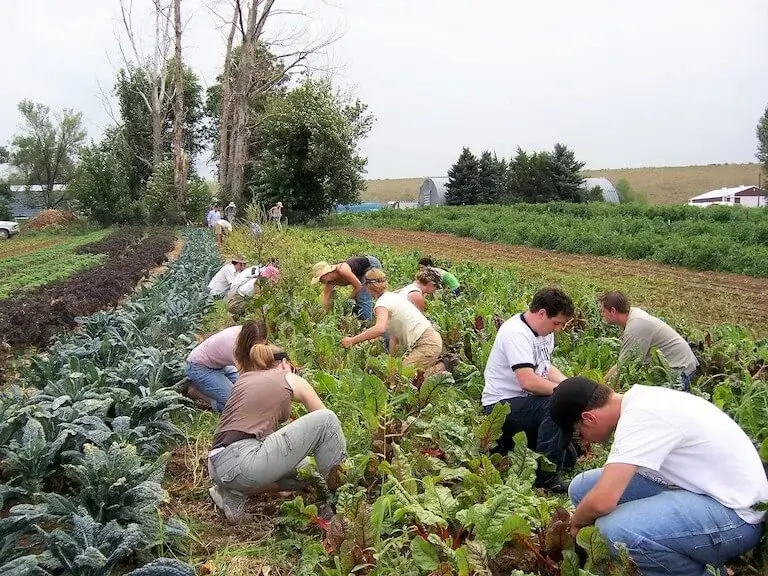
Participating in volunteer or harvest programs can give gap-year students affordable, hands-on agricultural experience, much like these Escoffier students visiting a local farm.
Build Culinary Skills on Your Own
Beyond work experiences, there’s a lot you can do on your own to develop your cooking skills and prepare for your future career.
Have Your Own Julie & Julia Moment
In 2002, blogger Julie Powell spent a year cooking her way through all 524 recipes in Julia Child’s Mastering the Art of French Cooking, an experience that Powell eventually turned into a bestselling memoir and movie.
If you’ve dreamt of a similarly ambitious cooking project, a gap year could present the perfect opportunity to work through a cookbook cover to cover, practice a cuisine you’re drawn to, or challenge yourself to cook one new dish per week (such as sushi, pho, tamales, or pierogies). If you invite friends and family over to try your dishes, you might just become the go-to caterer for your friends’ weddings and special events.

A gap year is a great time to take on an ambitious home cooking project of your own.
Beyond cooking, reading books by influential chefs or watching instructional cooking videos can help you get a head start before culinary school.
Escoffier chef Luke Shaffer and Chef Instructor Stefanie Bishop-Schmidt demonstrate how they work with spring peas.
Start Building a Culinary Portfolio
A culinary portfolio provides a record of your progress, and if you’re still in high school, it can be a concrete way to show your family you’re serious about this career path.
It can also help once you start applying for kitchen jobs. If you don’t have professional experience yet, a portfolio can give hiring managers proof that you’re a serious cook.
Questions to Ask Yourself During Your Gap Year
- Do I look forward to going to work, even on hard days?
- Am I curious about food when I’m off the clock?
- After shadowing different environments, which one pulled me in most?
- When I travel or try something new, am I thinking about the food?
- Am I seeking out cookbooks, chef memoirs, or culinary content on my own?
Prepare Practically for Culinary School
Culinary school is a financial commitment, and you can use a gap year to help prepare for it.
Save with a Target Number in Mind
Before you start saving, it helps to know how much you need. Tuition costs vary depending on the program, campus, and format you choose, so getting a real number early gives you a concrete goal to work toward.
Once you know how much you’ll need, you can make a savings plan. Everyday tactics like automating bill payments, cutting unused subscriptions, buying in bulk, or living with a roommate can help you hit your goal.
Beyond personal savings, explore flexible payment plans, student loans, and financial aid options.
Explore Your Financial Aid Options
Federal financial aid is available to students who apply and qualify, and getting familiar with the process during your gap year can help put you in a stronger position when you’re ready to enroll.
Beyond federal aid, research scholarships and grants, which have other deadlines and eligibility requirements.
Whether you’re applying now or planning ahead for a few months down the road, speaking with admissions can be a good first step. You can also explore our High School Hub for additional resources to help prepare for your next step.
Get the Financial Aid Guide for Culinary School
The first step towards seeing if you qualify for financial aid for culinary school is completing the FAFSA®. Follow this essential guide and be on your way today!
Give Yourself Time to Adjust to Adult Life
For many high school graduates, culinary school will be their first experience managing a personal schedule, finances, meals, and sleep while keeping up with an intensive program. Balancing all of those life changes at once, especially in a new city, can be a lot.
If you’re planning to attend an on-campus program some distance away, consider moving to that city a few months before your start date. Getting settled early can give you time to secure housing, land a local job, and learn your way around the neighborhood before classes demand your full attention.
Even if you’re staying local or planning to study online, the gap year can be a useful time to practice the basics of independent living.
Build Physical and Mental Stamina
Culinary school can be physically demanding, and a gap year is a good time to start preparing your body for it. Working jobs that keep you on your feet can help you build the baseline endurance that many kitchen jobs require.
Finding supportive, comfortable footwear, incorporating stretching into your routine, and taking basic self-care seriously (sleep, nutrition, recovery) can make a big difference for both your physical and mental well-being heading into culinary school.
How Your Gap Year Can Help You Figure Out What You Want From Culinary School
| Gap Year Activity | What You Can Gain | Questions to Bring to Admissions |
| Worked in a restaurant kitchen | Real-world perspective on fast-paced commercial kitchens | “How does your curriculum prepare students for non-restaurant culinary careers?” |
| Shadowed chefs across different settings | Clarity on which specialized environment (pastry, catering, R&D) excites you most | “Which degree or diploma program best aligns with my specific career goals?” |
| Traveled or explored food cultures | Broader palate and expanded culinary cultural competency | “Does your program include global cuisine coursework or offer opportunities to study abroad?” |
| Studied independently or took classes | Understanding of whether online or in-person learning suits your style | “How do I determine if an online or on-campus program is the better fit for me?” |
| Built a culinary portfolio | Baseline skills and confidence for entry-level work | “Does Escoffier offer career services to help me refine my portfolio and resume?” |
| Saved money and researched financial aid, scholarships, or grants | Preparation for the financial commitment of tuition | “What financial aid or flexible payment plans am I eligible for?” |
When and How to Move Forward with Culinary School Enrollment
Many of Escoffier’s programs have rolling start dates throughout the year, roughly every six weeks, so when you’re ready, you don’t have to wait long to begin.
“You can make a timeline that works for you. You can figure out a budget that works for you. You can pick a program, and you can mold it to that passion,”* says Chris Marhevka, a Boulder Culinary Arts graduate.

If you’re not quite ready to commit, you can speak with admissions advisors to discuss your timeline, walk through program options, and evaluate what financial aid you may qualify for before you’re ready to formally enroll.
Taking the Next Step When You’re Ready
A gap year looks different for everyone. Some students spend it working their way up in a kitchen. Others travel, save, or simply take the time to get their footing before taking on something new. However you spend it, a gap year can help you walk into culinary school knowing exactly why you’re there.
When you’re ready to explore your options, contact us to find out more about Escoffier’s culinary programs and find a start date that fits your timeline.
WANT TO LEARN MORE ABOUT CULINARY SCHOOL? TRY THESE ARTICLES NEXT:
- Culinary School Guide For High School Students and Parents
- Can You Start Culinary School Mid-Year? Understanding Enrollment Dates
- 6 Ways to Afford Culinary School if You’re a High School Student
FAQs
Not if you use the time wisely. A gap year can give you time to build savings, gain kitchen experience, and confirm that culinary school is the right path before committing to tuition.
To make the most of your gap year, you might work in a professional kitchen, shadow chefs across different culinary environments, save money, and research financial aid and scholarship options. Traveling or staging at a restaurant in another city or country are good options, too.
Yes. Entry-level positions like dishwasher and prep cook typically don’t require prior experience, and many kitchens are willing to hire high school students and graduates.
These roles can provide an insightful look at professional kitchen work, how it operates, and whether it’s a good fit for you.
At Escoffier, start dates are available roughly every six weeks, so you have flexibility, but it’s always a good idea to research deadlines and requirements well before you’re ready to attend school.
Even if you don’t think you’ll apply for another year, speaking with an admissions advisor can help you understand your options, explore financial aid, and plan around your target start date.