

Listen to This Article:
Picture yourself prepping mise en place in a sun-drenched kitchen overlooking the Mediterranean, plating dishes on a cruise ship as it glides past Norwegian fjords, or teaching cooking classes in the mountains of Peru.
For many aspiring culinary professionals, the dream goes beyond techniques—it includes the chance to experience the world along the way.
The beauty of culinary skills is that they can be among the most portable and universally valued talents you can develop.
A culinary education can serve as your passport to global opportunities. From cruise ships and luxury resorts to international restaurants and classrooms, the possibilities can be diverse and exciting. While the journey often requires dedication, adaptability, and courage, it’s more accessible than many realize.
This article explores international career paths available to culinary professionals, how Escoffier’s programs could prepare you for these opportunities, and practical steps to turn wanderlust into a viable career path.
Why Culinary Skills Travel Well
Food is a universal language
While you might struggle to navigate conversations in Mandarin or Arabic, a perfectly executed béchamel or a beautifully caramelized onion speaks volumes in any kitchen worldwide. Culinary techniques can transcend barriers in ways few other professions can match.
The global demand for skilled culinary professionals is another compelling factor. Nearly every country has a hospitality industry, and destinations need restaurants, hotels, catering services, and food production. Whether remote island resorts or cosmopolitan urban centers, the need for talented cooks, chefs, and food service professionals tends to be constant and widespread.
Culinary credentials travel, too
Though specific licensing requirements vary by country and an American culinary degree may not be formally recognized abroad, formal culinary education and professional certifications are often recognized across borders. A diploma or degree from a respected culinary institution can signal to international employers that you possess foundational skills, professional kitchen experience, and commitment to the craft. This credibility can open doors that might otherwise remain closed.
There’s also something uniquely valuable about being a food professional in a foreign country: instant cultural currency. Food sits at the heart of every culture, and culinary professionals may have a built-in connection to local traditions, ingredients, and communities.
You’re more than a tourist passing through—you’re someone who engages deeply with the essence of a place through its cuisine.
Formal culinary education can enhance all of these advantages by offering:
- Foundational techniques that can apply globally across different cuisines and kitchen environments
- Professional terminology and kitchen communication skills that can create common ground with colleagues worldwide
- Confidence to be able to adapt to new environments and unfamiliar ingredients
- Industry connections and networks that can extend internationally through alumni communities and chef instructor mentorship
International Career Paths for Culinary Professionals
Working on Cruise Ships
For culinary professionals with serious wanderlust, few opportunities rival the adventure of working on cruise ships. Imagine waking up in a different port every few days, exploring Caribbean islands, Mediterranean coastal towns, or Alaskan wilderness, all while advancing your culinary career.
Cruise ship positions range widely, from line cooks and pastry chefs to sous chefs, executive chefs, and food & beverage directors. The culinary operations on modern cruise ships rival those of major resort properties, often featuring a dozen or more dining venues. This means exposure to everything from high-volume buffet production to intimate fine dining.
What can make cruise ship work unique is the intensity and diversity of the experience. You’re cooking at high volume for thousands of guests from around the world, which develops speed, precision, and the ability to engineer menus that appeal to vastly different palates.
Cruise lines often promote from within, and strong performers can progress from entry-level positions to leadership roles relatively quickly.
*Information may not reflect every student’s experience. Results and outcomes may be based on several factors, such as geographical region or previous experience.
The reality check: Long hours—often 10 to 12 hours per day, seven days per week during contracts that typically last several months. You’re living where you work, sharing compact crew quarters. You’re away from family for extended periods. The environment can be intense and demanding.
But the payoff can be worthwhile.
Since room and board are provided, crew members can potentially save substantial portions of their earnings—all while visiting dozens or even hundreds of ports, working alongside international colleagues, and developing cultural adaptability that can serve you throughout your career.
Hotel and Resort Positions Abroad
International hotel chains and independent luxury properties offer another compelling path for culinary professionals seeking international experience. Major brands like Marriott, Hilton, Four Seasons, and Rosewood operate properties across six continents, and they frequently facilitate internal transfers for strong performers who want to work abroad.

Hotel chains may transfer staff among locations, potentially giving you the opportunity to work around the world without changing employers.
These positions typically place you in tourist destinations, major metropolitan areas, or exclusive resort locations. The work often involves working with regional cuisines while collaborating with local culinary talent, creating a rich cultural exchange that can enhance both your technical skills and your understanding of global food cultures.
Career progression can be smoother within large hotel brands that have standardized training and operations across properties. Once you’ve proven yourself at one location, transferring to another country can become more feasible.
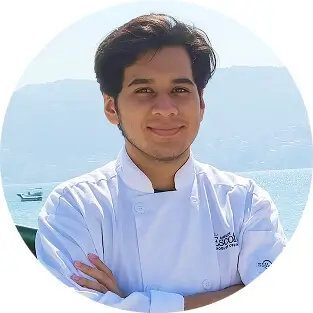
Oscar Beltran discovered this during his externship at Moon Palace Resorts in Cancun. At just 19, Oscar’s Escoffier education—his solid foundation in culinary terminology, techniques, and fundamentals—helped him earn respect and “move up the ranks.” He entered a taco al pastor competition against seasoned resort chefs and won first place, a remarkable achievement for someone who “barely knew what a julienne cut was” just 18 months prior.
*Information may not reflect every student’s experience. Results and outcomes may be based on several factors, such as geographical region or previous experience.
Culinary Tours and Private Chef Work
For those who prefer flexibility and variety, leading culinary tours, teaching cooking classes, or working as a private chef for traveling families offers a different kind of international lifestyle. These opportunities can be contract-based, seasonal, or full-time arrangements.
Culinary tour leaders might guide groups through food markets in Thailand, teach pasta-making classes in Italian villas, or create multi-day gastronomic experiences in wine regions. Private chefs might travel with affluent families or work in rotating assignments at different international properties.
These roles demand strong communication skills, cultural knowledge, and exceptional adaptability. You do more than cook; you educate, entertain, and serve as a cultural ambassador.
Formal culinary education can provide significant advantages here. Professional credentials lend credibility when marketing yourself to potential clients or tour companies. Comprehensive technique knowledge may allow you to teach with authority and adapt recipes on the fly. Business training can help you understand pricing, contracts, and logistics.
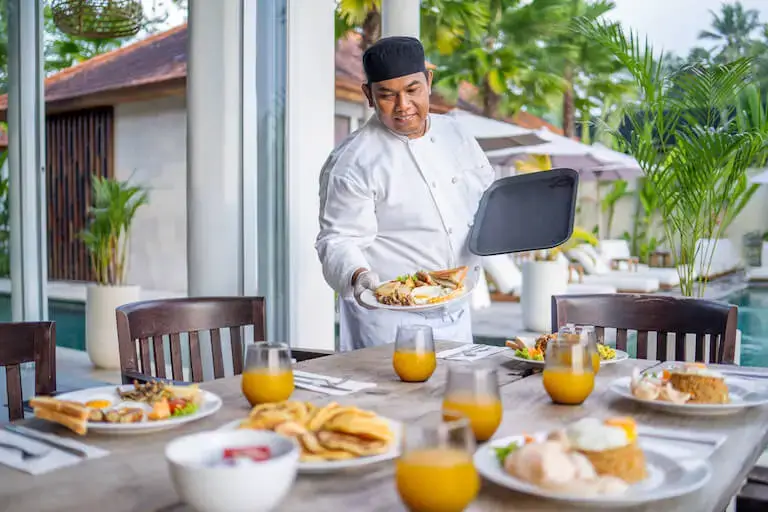
Working as a private chef can lead to travel opportunities, depending on your clientele.
Opening a Restaurant Abroad
The dream of opening your own restaurant in a foreign country captures many culinary imaginations—whether it’s a café in Portugal, a fusion restaurant in Singapore, or a farm-to-table concept in New Zealand. It’s romantic, ambitious, and absolutely possible, though it usually requires more than just culinary skill.
The reality often involves navigating foreign business regulations, understanding local markets and customer preferences, securing capital, and possessing genuine cultural sensitivity. Many successful restaurateurs abroad start smaller with pop-ups, food trucks, or modest concepts before expanding.
This is where culinary education’s business components can become invaluable. Menu development, cost control, operations management, and financial planning are all skills that culinary programs may help you explore and practice. Understanding food costs, labor percentages, and operational efficiency can translate across borders.
Victor Mancilla’s education at Escoffier included business coursework that proved essential as he moved into Food & Beverage Director and Corporate Chef roles.
Understanding the “complete chef” concept—someone who grasps both culinary technique and business operations—positioned him to design entire restaurant programs internationally.
Teaching and Culinary Education Internationally
Teaching culinary skills abroad represents another pathway, whether at established culinary schools, through cooking workshops, or via private instruction. Major cities around the world are home to culinary institutions seeking experienced instructors, while popular culinary tourism destinations often need professionals to lead hands-on cooking classes for visitors.

Culinary tourism is a major trend, and could be an opportunity to work abroad.
Requirements typically include both professional kitchen experience and teaching ability. Formal credentials matter significantly for institutional teaching positions; schools usually want instructors who possess recognized degrees or diplomas from respected programs.
This path can offer stability and the opportunity to share your passion while experiencing life in another country. It’s also less physically demanding than many kitchen positions, which can appeal to experienced professionals seeking a shift in their career trajectory.
How Culinary Education Can Prepare You for International Opportunities
Building a Strong Technical Foundation
Classical techniques form the backbone of many kitchens worldwide. Whether you’re working in France or Thailand, a solid grasp of mother sauces, knife skills, stock preparation, and core cooking methods can help you connect with colleagues and meet employer expectations.
Kitchen terminology and communication standards are similarly universal. Professional kitchens worldwide often use French brigade system terminology and standardized language for techniques, measurements, and equipment. When Oscar Beltran arrived at Moon Palace Resorts, his understanding of terms like “julienne” and fundamental techniques from Escoffier allowed him to integrate quickly into a Mexican kitchen where he was initially an outsider.
Food safety and sanitation knowledge is typically critical when working internationally. Health standards vary by country, but professionals with solid training in safe food handling practices can adapt to local requirements while maintaining high standards. This knowledge can also make you more employable; international employers, same as those stateside, want confidence that you won’t create liability issues.

Developing Professional Confidence
Confidence might be the most underrated benefit of formal culinary education when it comes to international opportunities. Working abroad generally requires courage—the courage to leave your comfort zone, to communicate in unfamiliar environments, to ask questions when you don’t understand something.
Oscar Beltran arrived at Escoffier as one of the youngest students, staying quiet and avoiding speaking up around older classmates. His Chef Instructors recognized this hesitation and gently pushed him, requiring him to ask questions in person rather than through email. This strategy helped him develop crucial communication skills and build resilience.
That confidence proved essential when Oscar made the bold choice to complete his externship in Cancun. The professional foundation from his education gave him the courage to take that risk, navigating an unfamiliar city and proving himself in a professional kitchen far from home.
Gaining Industry Connections and Mentorship
Chef Instructors can become more than teachers—they can serve as guides, reality-checkers, and lifelong mentors. Professional Chef Instructors can provide honest insights about what working internationally actually entails, help you identify opportunities that align with your goals, and sometimes facilitate introductions to industry contacts in other countries.
Your classmates may become your “culinary family,” as Oscar describes it. These relationships often span the globe as graduates pursue different paths, creating a network of professionals who can offer advice, job leads, or moral support.

In addition to offering culinary guidance, mentors can open doors to new opportunities.
Alumni networks matter tremendously for international opportunities. Victor Mancilla formed a lasting friendship with New Zealand’s top chef through Escoffier’s farm-to-table coursework, a connection that exemplifies how culinary education can open doors to unexpected international opportunities.
Understanding the Business Side
Culinary technique alone doesn’t guarantee international success. You also need to understand the business of food. Menu engineering and cost control principles may apply whether you’re working in Amsterdam or Auckland. Understanding how to price dishes, manage food costs, and maintain profitability often translates across borders.
Cultural considerations for different markets become increasingly important as you advance. Victor Mancilla’s work designing culinary programs for diverse international audiences typically requires understanding not just cooking techniques but dining customs, flavor preferences, and cultural sensitivities.
Food & Beverage operations encompass much more than just cooking. Understanding how front-of-house and back-of-house operations work together can set you up for leadership roles, including the kinds of positions that often take chefs abroad. Victor’s progression from Executive Chef to F&B Director overseeing nearly 900 crew members required this comprehensive perspective, which his Escoffier education helped him develop.
Making It Happen: Practical Steps to Land an International Culinary Job
Starting with Externships and Internships
Externships can offer an ideal testing ground for international work. These shorter-term placements can allow you to experience working abroad without the commitment of a permanent position. You can discover what you like (and don’t like) about international work, build your resume with global experience early in your career, and make connections in countries where you might want to work long-term.
All of Escoffier’s programs include externship components as part of their curriculum, and some students have pursued externships abroad—in places like Mexico, Italy, France, Ireland, and even Antarctica!*
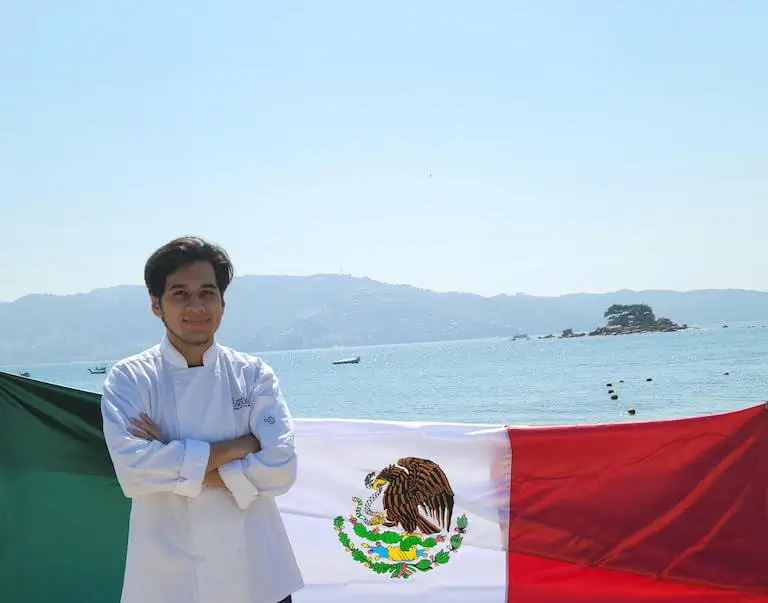
Oscar Beltran pursued an externship in Mexico, forging international connections and building culinary confidence.
*This information may not reflect every student’s experience. Results and outcomes may be based on several factors such as geographical region or previous experience.
Leveraging Personal Connections
Don’t underestimate the power of personal networks. Family ties or cultural connections can provide invaluable support when working abroad. Oscar’s relative at Moon Palace helped facilitate his externship opportunity, providing both a job connection and a place to stay.
Escoffier also maintains an extensive network via its Alumni Association—a group of nearly 11,000 members, where Escoffier students and grads can tap into a business directory, resource library, and a network of fellow culinarians who can share opportunities, experience, and advice. You may be able to reach out to alumni working in your target countries for insights, job leads, or introductions.
Professional associations and industry groups can also create valuable connections internationally.
Researching Visa and Work Requirements
Different countries have vastly different requirements for foreign workers. Some make it relatively straightforward for hospitality professionals; others have complex visa processes that can take months. Research these requirements early, before you fall in love with a specific opportunity that might not be legally feasible.
Certain sectors offer advantages. Cruise ships, for example, often handle visa and documentation logistics as part of employment. Large hotel chains sometimes facilitate work permits for internal transfers.
Plan ahead for documentation needs, which might include authenticated diplomas, letters from previous employers, or background checks.
Building Cultural Competency
Language skills matter, even if you’re not fluent. Learning basic phrases in the local language—especially kitchen and food-related vocabulary—can demonstrate respect and make daily life easier. Many successful international culinary professionals began with minimal language skills and learned on the job.
Consider studying regional and international cuisines and food cultures before you arrive. Understanding dining customs, ingredient preferences, and traditional techniques shows respect and helps you integrate more quickly.
Guest expectations vary dramatically by culture. Victor Mancilla learned about Saudi Arabian dining schedules and preferences when designing culinary programs for Middle Eastern markets. Understanding these nuances can make you more valuable to international employers and can help you avoid cultural missteps.
Starting Where You Are
You don’t have to move abroad immediately to start building internationally relevant experience. Working at international hotel chains domestically could expose you to global standards and operations. You can also strengthen your resume by gaining experience with diverse cuisines; positions that focus on different regional specialties can broaden your skill set.
Take calculated risks progressively. Each step can build confidence and experience that prepares you for bigger leaps.
Real Talk: Challenges of Working Internationally
When it comes to international careers, the adventure is real, but so are the challenges. Homesickness and isolation can affect those who work abroad, especially in the early stages of adjusting to a new environment. You’re away from family, friends, and everything familiar. On cruise ships or at remote resorts, you might be living with strangers in close quarters for months at a time.
Cultural adjustment can extend beyond language barriers. Different work styles, communication norms, and social expectations can be disorienting. Some cultures have more hierarchical kitchen structures; others are more collaborative. What’s considered normal or polite behavior shifts from place to place.

Adjusting to kitchen culture while working abroad can pose challenges, while also being a rewarding experience.
Many international jobs come with long hours and demanding conditions, particularly on cruise ships and high-volume resort operations. Ten to twelve-hour shifts, seven days per week, for months at a stretch will likely test your physical stamina and mental resilience.
Financial considerations matter too. Moving abroad involves costs—flights, work visas, setting up housing. While some positions like cruise ships provide room and board, others require you to cover living expenses in cities where you might not know the affordable neighborhoods yet.
Victor Mancilla admits he cried daily during his first three months working on cruise ships, overwhelmed by the challenging conditions and missing home. Many international culinary professionals experience similar struggles.
But there can also be profound rewards. Victor has now visited more than 250 cities across continents. Oscar won his competition in Cancun and formed relationships with chefs he still contacts years later.
The mindset shift matters most—moving from “this is too hard” to “how can I grow from this?” Working internationally can help you build resilience, cultural intelligence, and adaptability, qualities that can set you apart throughout your career. You may gain perspectives you couldn’t get any other way and experiences that can deeply enrich your life.
Your Culinary Passport Awaits!
Culinary skills truly can be globally portable. While many careers face geographic limitations, culinary professionals can work almost anywhere—from tropical islands to Arctic cruise routes, from European capitals to Asian megacities.
International work isn’t for everyone, and that’s perfectly okay. But for those who feel the pull of adventure, who get excited imagining themselves cooking in distant kitchens, culinary education could open those doors.
Programs offered at Escoffier can help you explore techniques, practice skills, and develop the comprehensive knowledge base that international employers value. Whether you’re cooking on a cruise ship, completing a resort externship, or opening a restaurant overseas, there’s a whole world of opportunity out there.