

Listen to This Article:
Imagine this: you’re returning home from recent travels, and you’re hungry, tired, and perhaps ready for a bit of routine. Instead of making a trip to the grocery store, you open your pantry to find all your favorite staples waiting for you. And within minutes, voilà—you have a meal that’s both nourishing and comforting.
That’s the idea behind a dish that Chef Alice Waters calls her “Coming Home Pasta.” It’s a fast, comforting pasta dish she makes with basic pantry staples when returning home to a more or less empty refrigerator. But you don’t have to be returning from a trip to appreciate the benefits of a well-stocked pantry.
Stocking a pantry like a chef gives you endless freedom to whip up delicious food at a moment’s notice, whether you’re coming home from a busy day, welcoming friends for an impromptu dinner, or simply craving a homemade meal. Read on to discover which staples may be worth keeping on hand and how to organize them for easier cooking.
So, Why Stock Your Pantry Like a Chef?
A well-stocked pantry can make cooking feel easier and more spontaneous. When versatile ingredients are already within reach, almost any fresh ingredient can become the start of a meal without a last-minute trip to the store. Perhaps a friend gives you a bundle of zucchini from their garden, the farmers market has beautiful mushrooms, or your local shop is offering a deal on chicken thighs. Add pasta, grains, canned tomatoes, oil, vinegar, or a few well-chosen spices from your pantry, and suddenly you have the makings of dinner.
Keeping reliable staples on hand may also help reduce food waste. Instead of buying an entirely new set of ingredients for every recipe, you can use what is already in your pantry to build around fresh produce, proteins, and leftovers.
This approach also reflects the professional kitchen practice of mise en place, a French term meaning “everything in its place.” In this case, mise en place begins before you start cooking. By choosing useful ingredients and keeping them organized, you can spend less time staring into the pantry wondering what to make and more time turning what you have into a flavorful meal. You may even get dinner on the table before you’re tempted to reach for the takeout menu!

Fresh market finds can become an impromptu complete meal when you have grains, oils, seasonings, and other reliable staples waiting at home.

How to Become a Chef: Get the Career guide!
Have your sights set on wearing the chef’s hat? Discover the steps that may be required to start your culinary career and earn the title of ‘chef’.
Core Pantry Items
While there’s no perfect pantry list, dried, canned, preserved, and liquid staples can give you a strong starting point for all kinds of meals.
What earns a place in your pantry will depend on what you enjoy cooking. If you’re drawn to Middle Eastern flavors, for example, your shelves might hold a collection of nice olive oils, spices like za’atar and sumac, plus staples like bulgur, grape leaves, tahini, and a variety of legumes. If your palate leans more toward Italian dishes, you may rely on dried pasta, canned tomatoes, 00 flour (superfine Italian pizza and pasta flour), olive oil, and a selection of balsamic and wine vinegars.
Rather than buying ingredients simply because they seem like things a serious cook should own, focus on versatile staples you already enjoy using, perhaps along with a few more you’re curious to explore. The following categories can help you build a pantry that works for you. Start with a handful of reliable favorites, then let your collection grow alongside your cooking.

Dried pantry items
Dried goods are important to have on hand because they often provide the foundation of a meal. Pasta, rice, grains, and legumes can sit patiently on the shelf until you need them, ready to become anything from a speedy weeknight dinner to a hearty soup or colorful grain bowl.
| Item | What It Does for You |
| Pasta (short and long shapes) | Versatile base for saucy dishes, baked pastas, and soups |
| Noodles (thin and thick varieties) | Foundation for stir-fries, noodle soups, and chilled salads |
| Rice and grains (quick-cooking and heartier options) | Stretches vegetables or smaller portions of meat into a full meal |
| Beans and lentils | Creamy texture and seasoning flexibility once cooked |
| Flour, cornstarch, and breadcrumbs | Thickens sauces, binds proteins, and adds a crisp finish |
| Nuts, seeds, and dried fruit | Brings crunch, chewiness, or sweetness to salads and grain bowls |
| Kosher salt and flaky finishing salt | Everyday seasoning plus a finishing touch at the table |
| Whole and ground spices | Whole holds flavor longer; ground offers speed and convenience |
Consider keeping a mix of these staples on hand:
Pasta
A few different shapes can give you options for saucy pasta dishes, baked pastas, and soups. Consider keeping something short, such as rigatoni, orecchiette, or ditalini, alongside something long, such as spaghetti, linguine, bucatini, or pappardelle.
Noodles
Keeping noodles with different shapes and textures gives you the makings of stir-fries, noodle soups, chilled salads, and saucy noodle dishes. Consider a thin variety, such as rice vermicelli or soba, alongside something thicker and chewier, such as udon or wheat noodles.
Rice and grains
Rice, couscous, farro, barley, quinoa, and oats can add substance to meals and help stretch vegetables or smaller portions of meat. Consider keeping one quick-cooking option, such as couscous or quinoa, alongside a heartier grain, such as farro or barley. A versatile rice variety can take you from pilafs and curries to fried rice and grain bowls.
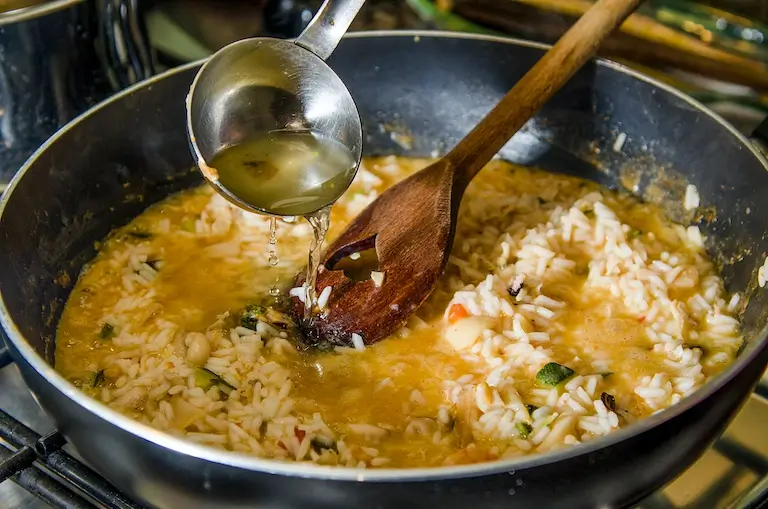
Pantry staples such as rice and stock can become the foundation of a satisfying meal, ready for whatever vegetables, proteins, or seasonings you have nearby.
Beans and lentils
Dried beans require some planning, but they reward you with a creamy texture and the ability to season them as they cook. Lentils and split peas need less time and can form the base of soups, stews, curries, salads, and veggie patties. Choose a few that cook differently, such as chickpeas or black beans for hearty dishes and red lentils for quick soups and dals.
Flour, cornstarch, and breadcrumbs
These workhorses can help you thicken sauces, coat foods before frying, bind meatballs or vegetable fritters, and add a crisp finish to casseroles and roasted vegetables. All-purpose flour covers many everyday needs, while cornstarch can thicken a glossy sauce or give fried foods a lighter, crisper coating. You can keep plain breadcrumbs on hand for flexibility, then season them to suit the dish.
Nuts, seeds, and dried fruit
A small handful can bring crunch, chewiness, sweetness, or richness to salads, grain bowls, baked goods, and breakfast dishes. Consider choosing a versatile nut, such as almonds or walnuts, a seed like sesame or pumpkin, and a dried fruit you enjoy. Toasting nuts and seeds before using them can make their flavor deeper and more pronounced.
Salts, dried herbs and spices
Keep kosher salt on hand for everyday seasoning and flaky salt for finishing dishes. Build a focused collection of herbs and spices that suit the cuisines you cook most, rather than buying everything at once. Whole spices generally hold their flavor longer, while ground spices offer speed and convenience.
From the Baker’s Pantry
If baking is part of your routine, your dried staples may look a little different. All-purpose flour and granulated sugar can cover plenty of everyday projects, but bread flour, cake flour, whole-wheat flour, gluten-free flour, brown sugar, powdered sugar, and cocoa powder can give you more options. Baking soda, baking powder, yeast, cornstarch, and salt provide the lift, structure, or texture that recipes depend on, while vanilla extract, chocolate, nuts, dried fruit, and spices can bring the flavor.
You do not need to buy everything at once. Start with the ingredients required for the recipes you make most often, store them in airtight containers, and label specialty flours and leaveners with their purchase or opening dates. That way, when the urge for warm cookies or a weekend loaf strikes, you can get mixing without first making a grocery run.
Canned and Preserved Pantry Items
Canned and preserved ingredients are excellent for bringing flavors of another season to your table long after the harvest has passed. They also tend to require little preparation, making them especially helpful when dinner needs to come together quickly. With a few well-chosen tins and jars, you can build a silky tomato sauce, add savory depth to a dressing, or turn a bowl of grains into a satisfying meal.
| Item | What It Does for You |
| Whole peeled tomatoes and tomato paste | Base for pasta sauce, soup, curry, or braises |
| Canned beans and legumes | Ready-to-eat protein without soaking or simmering time |
| Canned fish (tuna, sardines, anchovies, salmon) | Makes a pantry meal feel complete with little prep |
| Preserved vegetables (olives, capers, pickles, preserved lemons) | Adds acidity, saltiness, or brininess with no cooking required |
| Coconut milk and other cooking bases | Adds richness to curries, soups, and braises |
| Fermented flavor builders (miso, chile crisp, curry paste) | A spoonful adds salt, heat, and savory depth fast |
Tomatoes and tomato paste
Whole peeled tomatoes can become pasta sauce, soup, curry, or the base of a braise. Tomato paste adds concentrated flavor in a much smaller amount and can deepen sauces, stews, and marinades. Look for tomato paste in a tube if you rarely use a full can at once, or consider freezing leftover paste in a sealable bag for future use.
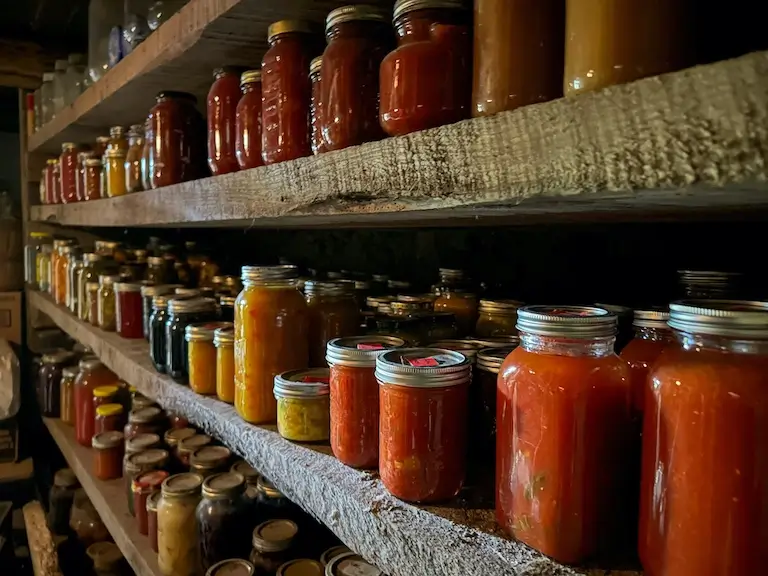
Canning and preserving can capture seasonal flavors and keep them ready for sauces, soups, and other meals throughout the year.
Beans and legumes
Canned chickpeas, cannellini beans, black beans, and lentils provide a quick source of protein and substance without the soaking and simmering required for dried beans. Drain and toss them into soups and salads, blend them into dips, crisp them in the oven, or simmer them with vegetables and spices for a fast meal.
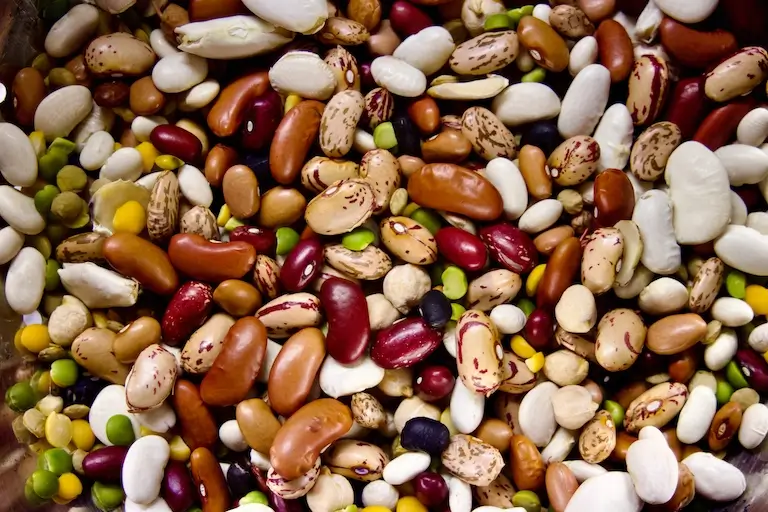
Keeping a few types of dried beans and legumes gives you versatile foundations for soups, stews, salads, and hearty main dishes.
Canned fish and seafood
Tuna, sardines, anchovies, salmon, and shellfish can make a pantry meal feel complete. Use them in pasta, salads, sandwiches, fish cakes, or rice dishes. Anchovies can also melt almost completely into sauces and dressings, leaving behind a deep savory flavor rather than an obviously fishy taste.
Preserved vegetables
Roasted peppers, artichoke hearts, olives, capers, pickles, and preserved lemons can introduce acidity, saltiness, sweetness, or briny flavor with little effort. Fold them into pasta, scatter them over salads and grain bowls, or serve a few together as the beginning of an appetizer plate.
Coconut milk and other cooking bases
Coconut milk can add richness to curries, soups, sauces, braises, and some desserts. Other useful bases might include canned pumpkin, evaporated milk, or jarred simmer sauces, depending on the dishes you make regularly.
Fermented and concentrated flavor builders
Miso, chile crisp, curry paste, and fermented bean pastes can bring salt, heat, and savory depth to otherwise simple ingredients. A spoonful stirred into broth, whisked into a dressing, or added to a marinade can quickly give a dish more character.
Think Like a Chef: Practice FIFO
Professional kitchens often follow first in, first out, or FIFO, to keep ingredients fresh and reduce waste. When you restock, place newer cans and jars behind older ones so you naturally reach for what needs to be used first. It is a small chef-minded habit that can keep forgotten ingredients from disappearing into the back of your pantry.
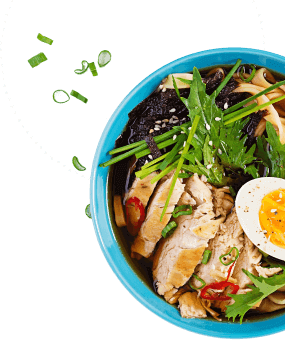
Oils, Acids, and Other Liquid Pantry Items
Oils are a fat that help you cook ingredients and carry flavor, acids wake up dishes that taste flat, and concentrated sauces can bring saltiness, sweetness, heat, or savory depth with just a splash. A carefully chosen selection gives you ways to adjust a dish as you cook as well as finish it at the table.
| Item | What It Does for You |
| Neutral cooking oil (avocado, grapeseed, or canola) | High smoke point for sautéing, roasting, and frying |
| Finishing oils (extra-virgin olive oil, sesame oil, chile oil) | Adds aroma and richness right before serving |
| Vinegars (wine, apple cider, rice, sherry, balsamic) | Balances richness and brightens flat-tasting dishes |
| Shelf-stable stock or concentrated bases | Starts a soup, sauce, or braise without cooking stock from scratch |
| Savory sauces (soy sauce, tamari, fish sauce, Worcestershire) | Provides saltiness and savory depth beyond their traditional dishes |
| Sweeteners and syrups (honey, maple syrup, molasses) | Balances acidity or heat in glazes, marinades, and dressings |
Everyday cooking oils
Keep at least one neutral oil with a relatively high smoke point, such as avocado, grapeseed, or canola oil, for sautéing, roasting, and frying. Olive oil can also handle many everyday cooking tasks while adding its own flavor. Choose oils according to how you cook rather than collecting bottles you rarely reach for, as they can become rancid over time.
Finishing oils
Extra-virgin olive oil, toasted sesame oil, chile oil, and nut oils can add aroma and richness just before serving. Because their flavors can be pronounced, you may only need a drizzle over noodles, soups, roasted vegetables, grains, or salads. Buy smaller bottles of specialty oils if you use them infrequently. These oils, like cooking oils, will go off over time as well.
Vinegars
Vinegars bring that puckery “lift” to all sorts of recipes. Use them to make vinaigrettes, balance soups and sauces, prepare quick pickles, or brighten cooked vegetables. Begin with two or three that suit the cuisines you cook most often. Red or white wine vinegar, apple cider vinegar, rice vinegar, sherry vinegar, and balsamic vinegar each bring a different kind of acidity.
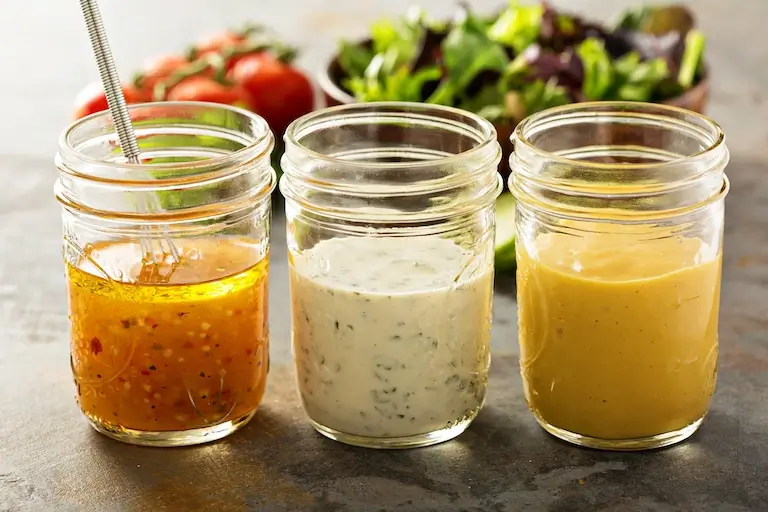
Pantry staples such as oils, vinegars, mustard, and seasonings can be whisked together to dress fresh vegetables in minutes.
Stocks and concentrated bases
Shelf-stable stock, bouillon cubes, powders, or concentrated pastes can help you begin a soup, sauce, braise, risotto, or pot of grains without making stock from scratch. Concentrated products are especially convenient because you can mix only the amount you need.
Savory sauces and seasonings
Soy sauce, tamari, fish sauce, and Worcestershire sauce can provide saltiness and savory depth. They can season far more than the dishes traditionally associated with them, from marinades and stir-fries to soups, dressings, and pan sauces.
Sweeteners and syrups
Honey, maple syrup, molasses, and agave can balance acidity or heat while contributing their own flavors. Beyond baking and breakfast, use them in glazes, marinades, sauces, vinaigrettes, and roasted vegetables.
As with the rest of your pantry, variety is less important than usefulness. A neutral cooking oil, a flavorful finishing oil, a few vinegars, and the liquid seasonings you reach for most often can cover an impressive range of dishes and are a good starting point for any cook.
Does the Freezer Count as Part of the Pantry?
Maybe not technically, but a freezer does a lot more for your pantry than just store ice cream. A thoughtfully stocked freezer can give you extra building blocks for meals, especially when fresh ingredients are running low. Frozen stock, bread, vegetables, herbs, ginger, chiles, and Parmesan rinds can help you pull together soups, sauces, stir-fries, and other quick meals without another trip to the store.
The freezer can also help you hold onto ingredients that are difficult to use all at once. Freeze tomato paste in tablespoon-sized portions, save leftover coconut milk in an ice cube tray, or tuck overripe fruit away for smoothies and baking. Bakers can freeze leftover buttercream and well-wrapped cake layers, then thaw them when they’re ready to assemble and decorate.
Label and date everything before it disappears into the chilly depths, where even your best intentions can become an unidentified block of ice.
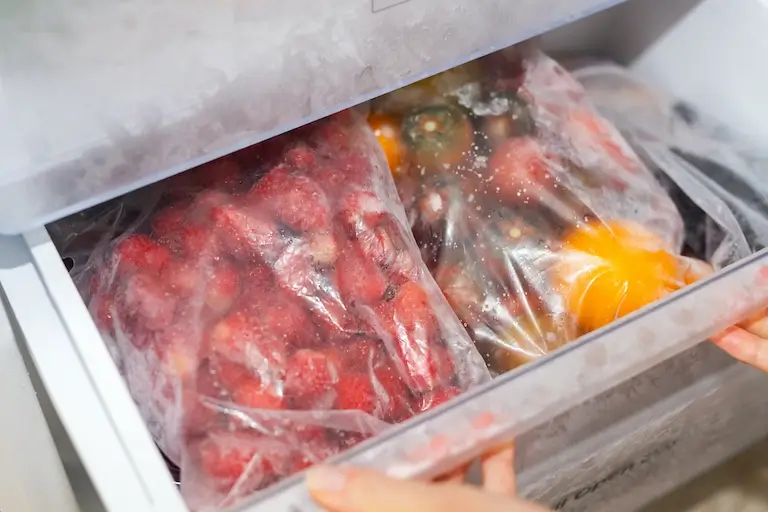
A well-stocked freezer can extend the life of seasonal produce and keep useful ingredients close at hand for future meals.
How to Organize and Rotate Pantry Ingredients
Once you have your pantry staples down, you’ll want to be able to easily see what you have. A little organization can help ingredients stay fresh, prevent duplicate purchases, and make cooking feel less like a scavenger hunt.
| Pantry area or habit | What to do | Why it helps |
| Top shelves | Store specialty ingredients, extra supplies, and items you use less often. | Keeps occasional-use items available without crowding your everyday workspace. |
| Eye-level shelves | Keep frequently used pasta, grains, canned goods, oils, vinegars, and seasonings within easy reach. | Helps you find everyday staples quickly and see when they are running low. |
| Lower shelves | Place bulk ingredients, stock, and other heavy items on lower shelves. | Makes heavier items safer and easier to lift. |
| Ingredient groups | Give dried goods, canned foods, baking supplies, spices, oils, and vinegars designated areas. | Makes ingredients easier to find and helps prevent duplicate purchases. |
| FIFO rotation | Move older ingredients to the front and place newly purchased items behind them. | Encourages you to use older products first, helping preserve freshness and reduce waste. |
| Labels and dates | Label anything removed from its original packaging and add the opening or storage date when helpful. | Prevents mystery containers and makes it easier to monitor freshness. |
| Cool, dark storage | Keep oils, spices, nuts, and other sensitive ingredients away from the stove, sunlight, and moisture. | Protects their flavor and can help them stay fresh longer. |
| Airtight containers | Transfer opened flour, grains, pasta, and other dried goods when added protection or easier stacking would be helpful. | Helps guard against moisture and pests while making supplies easier to see. |
| Pre-shopping check | Take a quick inventory before heading to the store. | Helps you restock what you need without buying another forgotten duplicate. |
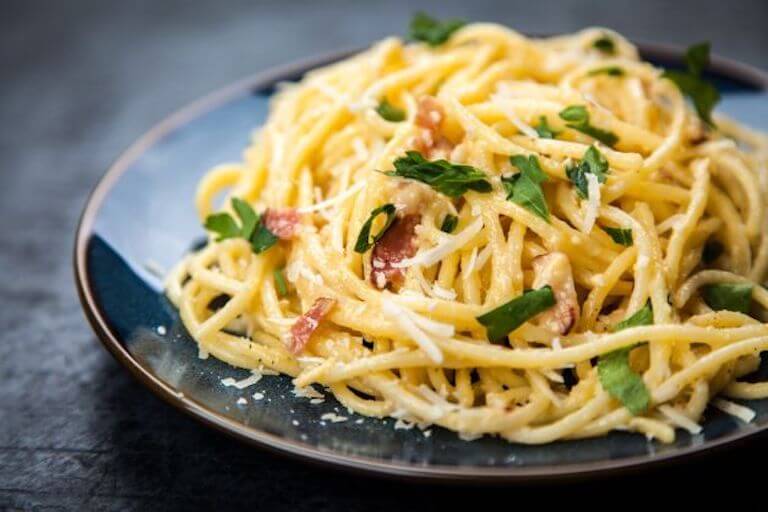
Like Alice Waters and her “Coming Home Pasta,” you can keep favorite staples on hand for a comforting meal that comes together quickly.
Bring a Chef’s Mindset Into Your Kitchen
Stocking your pantry thoughtfully, keeping ingredients organized, and finding creative ways to use what you have are all habits that can help you begin thinking more like a chef. Over time, you may find yourself relying less on rigid recipes and becoming more comfortable turning a few fresh ingredients and pantry staples into a meal of your own. Take a page from Alice Waters: come home to an empty refrigerator and a full pantry, and the meal is already there, waiting to be put together.
If you’re interested in taking that mindset further, Escoffier’s Culinary Arts programs can provide opportunities to explore the techniques, flavor principles, and organizational habits used in professional kitchens. Contact us to find out more about how culinary school could help you build your skills and approach cooking with greater confidence.