Listen to This Article:
Culinary careers don’t always fit neatly into a single job title. For many chefs, pairing a primary role with complementary work can strengthen their career and expand their earning potential.
There’s the chef who teaches weekend pasta-making classes. A chef instructor who bottles his own hot sauce. The sous chef who consults on menu development for a new cafe across town. They’re all doing work they enjoy while building multiple income streams that don’t require them to quit their full-time job.
While some may eventually transition their side-gigs into full-time businesses, others will keep their restaurant positions and enjoy creative freedom and extra income that comes with diversifying.
With a median salary of around $60,990, head cooks, like many professionals, may benefit from developing multiple income streams for long-term financial stability. Diversifying can also be an exciting opportunity to explore new ways to use your culinary skills.
Below, you’ll find income streams that can help chefs diversify their income, with real-world examples and practical starting points.
Why Diversify Your Income Streams?
Multiple income streams can offer financial flexibility while allowing you to explore creative applications of your culinary skills.
You may want to create side income to supplement your restaurant job for years to come. Or, you may want to test out business ideas to see whether you can turn any of them into a full-time career.
The restaurant industry is even shifting toward more flexible staffing models. In the National Restaurant Association’s 2024 State of the Industry report, 25% of operators say using gig workers to fill staffing gaps will become more common.
This trend helps show that the traditional path of climbing the brigade is not the only path to a sustainable culinary career.
*Information may not reflect every student’s experience. Results and outcomes may be based on several factors, such as geographical region or previous experience.
Services-Based Income Streams for Chefs
Service-based income streams allow you to apply your culinary skills while working directly with clients—whether that means cooking for them, teaching them, or stepping in where experienced help is needed. These opportunities often offer the most immediate path to additional income, since you’re leveraging existing expertise and time rather than developing a product or building inventory.
The barrier to entry can be lower with a service-based option and the work may feel like a natural extension of what you’re already doing.
Catering and Private Dining Events
Catering and private dining events can let you get creative with the menu, set your prices, and control your schedule. Unlike restaurant work, where you’re executing someone else’s vision within tight margins, you’re working directly with clients who are willing to pay premium rates for customized experiences, whether that’s a corporate lunch for 50 people or an intimate dinner party for 12.
These services can also complement a full-time job because you control the calendar. You might take on events during off-days or evenings, schedule advance bookings around your restaurant hours, or focus on a small number of high-value clients instead of filling every available night.
For Chef Rodney Smith, pop-up dinners are both a business model and a way to “bring people back home emotionally” through food, history, and culture. His Southern Child dinner series, including the multi-course event “1619: An African Story,” creates experiences that guests pay premium prices to attend. Each seven-course dinner is ticketed and pre-booked, giving him control over margins, schedule, and creative direction. He uses Instagram to announce events that sell out quickly, creating a repeatable marketing system.
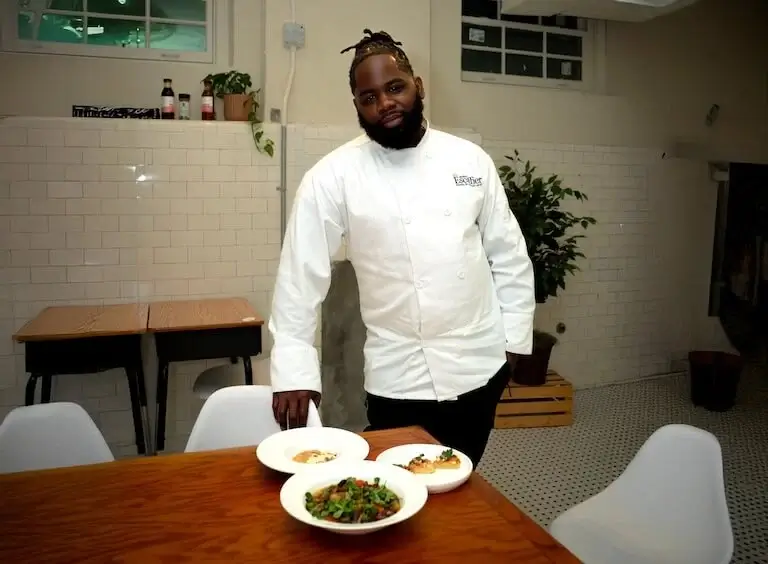
Chef Rodney Smith uses pop-up dinners to create meaningful culinary experiences while building a flexible income stream.
Meal Prep Services
Meal prep services can offer a more systematized way to cook directly for clients, delivering ready-to-eat or ready-to-cook meals to busy professionals, new parents, or individuals with specific dietary needs.
Adding a weekly or monthly subscription can help make this a predictable source of recurring income. Clients know they can count on your chef-quality meals tailored to their preferences, and you know you can count on their repeat business.
Companies such as Spoonful of Comfort show how prepared food delivery can scale into a thriving business with broad market appeal.
You’ll need to navigate local regulations around food safety, secure access to a commercial kitchen, handle proper packaging, and decide whether you’re offering delivery or pickup. But once those logistics are sorted, meal prep can provide steady income with less of the event-production pressure that comes with catering.
*Information may not reflect every student’s experience. Results and outcomes may be based on several factors, such as geographical region or previous experience.
Teaching Cooking Classes: In-Person and Online
Teaching cooking classes allows you to share your expertise while creating income that isn’t tied to being at the stove every hour you’re paid. In-person classes often command higher per-session rates and offer immediate connection with students, while some types of online classes can generate more passive income by being created once and sold repeatedly.
You can teach in-person classes at local schools, community centers, or wineries, or partner with restaurants to use their kitchens during off-hours. Classes might cover core skills like knife techniques and sauce-making, or focus on niche topics such as plant-based baking.
Standalone online lessons geared toward hobby cooks or food enthusiasts can offer strong scalability. You can record the material once, sell it repeatedly, and bundle it with downloadable PDFs or bonus sessions to support premium pricing. Note that these offerings are fundamentally different from online culinary school programs, which involve structured curriculum, instructor interaction, and defined learning outcomes. Standalone courses are typically narrower, self-directed resources and can be sold through your own website or platforms like Udemy and Skillshare.
Recipe Development and Culinary Consulting
Recipe development and culinary consulting let you use your expertise to support food businesses without needing to be in their kitchen every day.
Chefs are frequently hired by food brands to develop recipes used in websites, packaging, and marketing campaigns. Meal-kit companies need chef-tested recipes that customers can easily follow at home. Cookbook authors, influencers, and bloggers hire developers and testers to ensure their content works. Some projects are published under your name while others are developed as ghost work for a fee.
Menu consulting helps restaurants, cafés, and food trucks create or refresh menus, cost dishes, and streamline prep. You might work with hospitality groups on concept development or help corporate cafeterias and schools improve their offerings.
Services can be tiered from one-time audits to full menu builds with ongoing support.
*Information may not reflect every student’s experience. Results and outcomes may be based on several factors, such as geographical region or previous experience.
Gig Work for Chefs
Freelance and gig work covers a wide range of opportunities, from culinary roles to creative services that use your food expertise in different ways.
Short-term or fill-in work is becoming more common across the industry. This creates opportunities for chefs to pick up shifts covering for vacations, supporting busy seasons, or helping with pop-ups and special events. Private chef work for vacation homes, retreats, and corporate offsites can pay premium rates for short-term commitments that fit around your regular schedule.
Content Creation & Freelance Work
Food photography, styling, and video content creation offer another avenue for chefs who enjoy the visual side of the industry. As social media and digital marketing have become essential for food businesses, demand has grown for people who understand both food and how to make it look appealing on camera.
*Information may not reflect every student’s experience. Results and outcomes may be based on several factors, such as geographical region or previous experience.
Speaking engagements, cooking demos at festivals, and sponsored appearances round out the freelance landscape. Each of these opportunities lets you leverage your culinary expertise without the commitment of a full-time role. They can provide flexibility to build income around your primary job.
Product-Based Income Streams for Chefs
With product-based income streams, you can create something once and sell it repeatedly. These products could be a physical item, like bottled sauce, or a digital resource like an ebook. Products do require an upfront investment but can continue to generate income without you being involved in every transaction.
A jar of your signature hot sauce can sell while you’re working a dinner shift; a digital meal plan can be downloaded at 2 a.m. without your direct involvement.
Food Products: Sauces, Spices, and Specialty Items
By creating food products that reflect your cooking style or signature dishes, you can turn recipes into revenue through items like bottled sauces, dressings, marinades, and spice blends.
They can be shelf-stable and relatively straightforward to produce in small batches and can also help customers bring a piece of your unique flavor profile into their own kitchens.
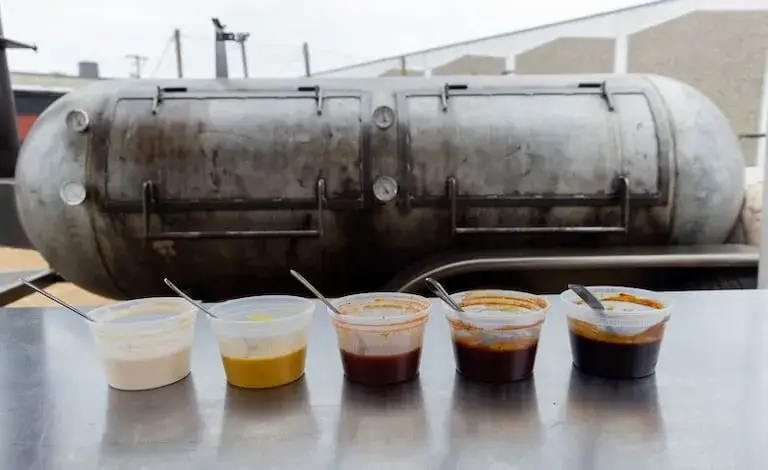
Testing and developing signature sauces can become a scalable product line for chefs.
You’ll need to work within cottage-food laws or partner with a commissary kitchen depending on your location and what you’re producing.

*Information may not reflect every student’s experience. Results and outcomes may be based on several factors, such as geographical region or previous experience.
Branded Merchandise and Kitchenware
Non-food branded merchandise gives you a way to build your personal brand while bringing in additional income. Apparel like T-shirts, hats, aprons, and chef coats can help increase your visibility, while items such as cutting boards, spatulas, or enamel pins give fans an easy way to support your work.
Using print-on-demand or drop-shipping services helps minimize inventory risk, since items are produced only after an order is placed.
Look for ways to combine branded merchandise with other income streams. Sell your spice blends at pop-up dinners. Promote branded aprons during cooking classes. Feature products in social media content to drive people to your online store.
Digital Products: Ebooks, Meal Plans, and Templates
Digital products require no inventory, shipping, or ongoing production costs once they’re created. Recipe ebooks and themed collections like weeknight dinners, meal prep plans, and holiday menus can be sold through your website or platforms like Gumroad. Meal plans with shopping lists and prep guides appeal to people who want the structure of a chef’s guidance without hiring one directly.

Meal plans and downloadable templates provide structure and guidance for customers without direct chef involvement.
Pantry guides, knife-skill tutorials, or “How to set up a pro-style home kitchen” PDFs package your expertise into formats that customers can reference repeatedly. You could also sell downloadable templates that help other culinary professionals. These might include costing spreadsheets, inventory trackers, or prep lists that can help them systematize their own operations.
*Information may not reflect every student’s experience. Results and outcomes may be based on several factors, such as geographical region or previous experience.
Cookbooks: Building Authority Alongside Cash Flow
With traditional publishing, book royalties typically range from 5% to 15% of the list price. Self-publishing through platforms like Amazon KDP can offer significantly higher royalty rates—often 70% to 75%—depending on pricing and distribution choices. That higher return comes with greater responsibility, however, since you’re also responsible for formatting, editing, and designing the book to meet platform requirements.
Although cookbooks aren’t usually high-cash-flow ventures, they can play an important role in building authority and creating new opportunities over time.
Escoffier graduate Amy Kimoto-Kahn published her cookbooks, including Simply Ramen and The Asian Hot Pot Cookbook, as part of a larger ecosystem. Her blog Easy Peasy Japaneesy helped open doors for a book deal, which reinforced her work as a private chef, cooking instructor, and brand collaborator.
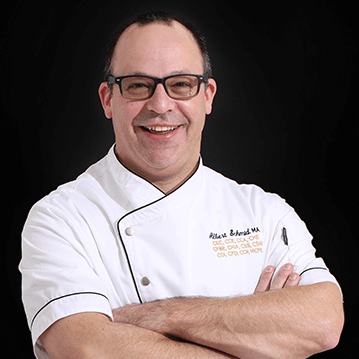
Chef Instructor Albert Schmid used a similar approach, starting with The Hospitality Manager’s Guide to Wines, Beers and Spirits as a teaching resource and expanding into titles like The Kentucky Bourbon Cookbook, which won a Gourmand World Cookbook Award. His books support his work as a chef instructor and consultant.
Tips for Balancing Multiple Income Streams
Building multiple income streams requires strategy in addition to ambition. When you’re already working long hours in a professional kitchen, adding work that drains you isn’t sustainable long-term. If you don’t enjoy teaching, skip the cooking class. If event planning stresses you out, then pop-up events may not be your best option.
Choose income streams that feel energizing rather than something you feel you have to do.
Legal and Employment Considerations
Before launching any side work, check your employment contract for non-compete clauses or conflict-of-interest policies. Some restaurant groups restrict outside culinary work, especially if it could be seen as competing with your employer.
Be honest with your primary employer about the other work you’re doing. Make sure you’re using your own time, tools, and creative work, and not the restaurant’s recipes, brand, suppliers, or pricing structures.
Get Organized
Use a simple system to track your gigs, deadlines, and income from your different income streams. A shared calendar and basic bookkeeping tools can keep you from missing commitments or losing track of what’s actually profitable.
Separate business and personal bank accounts from the start. This makes tax preparation easier and lets you see clearly which income streams are worth your time.
Set realistic time boundaries to protect both your health and your performance in your primary job. Burning out helps no one, and losing your main income while building side streams creates unnecessary financial pressure.
Scale Strategically
Think in stages. Build one income stream until it’s predictable and you understand the time commitment. Then layer on the next.
Don’t try to launch pop-up dinners, an online course, a product line, and a consulting practice all at once. You may risk spreading yourself too thin and nothing will get the attention it needs to succeed.
Look for ways your income streams can complement each other. Sell products at your events. Use consulting projects to build credibility that leads to speaking engagements. Turn teaching content into digital products.
The goal isn’t just multiple income sources, but an ecosystem where each piece strengthens the others.
Reinvest some of your additional income into better tools, education, or marketing that can help make future income more scalable and less directly tied to your hours. A better camera for food photography, a professional website, or a course on food product regulations can all increase what you’re able to earn without working more hours.
*Information may not reflect every student’s experience. Results and outcomes may be based on several factors, such as geographical region or previous experience.
Taking Control of Your Culinary Career Income
Multiple income streams can offer culinary professionals both financial stability and creative freedom. Some chefs use these approaches to supplement their restaurant income long term, enjoying additional earnings and a creative outlet while maintaining their primary roles. Others find that a side hustle grows into something they eventually choose to pursue as a full-time business.
The key is to start strategically with what fits your skills, interests, and schedule. A chef who loves performing might thrive with pop-up dinners. Someone who prefers systematic work might build a meal prep business. Natural teachers can turn classes into a steady income. Chefs with business instincts often find consulting rewarding.
Your culinary expertise is transferable and valuable beyond the restaurant kitchen. Escoffier can help you build the foundation for these diverse income streams, from professional cooking techniques to the Food Entrepreneurship program.
Ready to explore how culinary education could support your goals? Contact us today to find out more about programs that could help you build a sustainable, diversified culinary career.
WANT TO EXPLORE MORE CULINARY CAREER OPPORTUNITIES? READ THESE ARTICLES NEXT!
- Culinary Careers for Introverts vs. Extroverts
- How Fast Can You Launch Your Culinary Career with Escoffier?
- The One Skill Every High-Earning Chef Has (It’s Not What You Think)