
Listen to This Article:
Picture a bustling restaurant kitchen: chefs calling out orders, servers weaving between tables, a maître d’ greeting guests with effortless charm. For years, this high-energy image has defined what many people think a culinary career looks like. But here’s the truth: the culinary world is far more diverse than the stereotype suggests.
If you’re someone who recharges with quiet time rather than crowd energy—or vice versa—you might wonder whether there’s a place for you in the food industry.
Spoiler: The answer is absolutely YES.
Success in culinary careers isn’t about fitting a single personality mold. It’s about understanding your strengths and finding roles where you can do your best work while maintaining your energy and well-being.
Whether you draw energy from dynamic social interactions or find your flow in focused, independent work, the culinary field offers career paths suited to your personality type. Let’s explore how both introverts and extroverts can build fulfilling careers in food, and debunk some myths along the way.
Understanding Introversion and Extroversion in Professional Contexts
Beyond the Stereotypes
First, let’s clear up some common misconceptions. Introversion and extroversion aren’t about shyness versus confidence. They’re about where you get your energy. Introverts recharge through solitude and quiet reflection. After a demanding day, they need downtime to restore themselves. Extroverts, on the other hand, gain energy from social interaction and external stimulation. A lively environment doesn’t drain them; it fuels them.
This distinction matters because both personality types can be confident, skilled communicators. An introvert might excel at building deep client relationships, while an extrovert might thrive managing a large team. Neither approach is better; they’re simply different.
It’s also worth noting that anyone can develop skills outside their natural comfort zone. An introvert can practice public speaking and become quite good at it. An extrovert can cultivate focus for solo work. It’s not about whether you can do something, but whether it feels sustainable day after day, year after year.
Why Personality Fit Matters in Culinary Careers
Understanding your energy patterns can significantly impact your career satisfaction and longevity in the culinary field. When you work in alignment with your natural tendencies, you can be more likely to:
- Perform at your best because you’re not constantly fighting against your grain
- Experience greater job satisfaction when your daily tasks feel energizing rather than depleting
- Avoid burnout that comes from spending years in roles that drain you
- Discover creative flow when you’re working in conditions that suit your processing style
This doesn’t mean you should limit yourself only to roles that feel effortless. Growth happens at the edges of our comfort zones. But there’s a difference between stretching yourself occasionally and spending eight hours a day, five days a week, working in ways that fundamentally deplete you.
The goal is finding roles where your natural strengths become assets rather than obstacles to overcome.
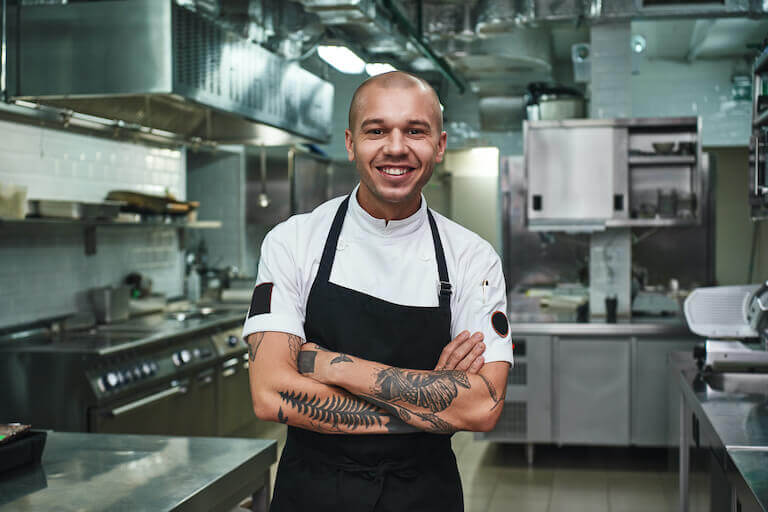
Finding a role that suits your personality and strengths can be essential to a rewarding culinary career.
Culinary Careers That May Appeal to Extroverts
If you’re energized by interaction, variety, and fast-paced social environments, certain culinary industry careers might align particularly well with your personality. Let’s explore some options.
Front-of-House Leadership Roles
Maître d’ and Host Positions offer constant opportunities for guest interaction. You’re reading the room, creating a welcoming atmosphere, managing reservations on the fly, and ensuring every guest feels valued. The environment is dynamic and social, with new faces and situations throughout each shift. For someone who thrives on making connections and draws energy from varied interactions, this role can feel incredibly fulfilling.
Restaurant General Managers balance people management with business operations. You’re leading teams, building relationships with vendors, solving problems in real-time, and often serving as the face of the establishment in your community. The role requires juggling multiple priorities and constant communication, which can feel exciting rather than exhausting if you’re wired for it.
Event and Hospitality Roles
Catering Managers and Event Coordinators operate in an environment of controlled chaos. You’re consulting with clients to understand their vision, coordinating teams during live events, thinking on your feet when challenges arise, and building ongoing relationships with venues, vendors, and clients. The variety keeps things interesting, and the interpersonal elements can be central to success.
Wedding and Private Event Chefs combine culinary skill with performance and client service. You’re working directly with clients to create custom menus, perhaps managing live cooking stations where guests interact with you, and bringing energy to special occasions. The role has a theatrical element that can be incredibly rewarding for those who enjoy being “on.”

Extroverted individuals may thrive in the fast-paced world of event management.
Collaborative Kitchen Environments
Not all kitchen roles are solitary. Executive Chefs in certain settings—particularly hotels, large restaurants, or corporate dining—spend significant time leading teams, collaborating on menu development, and managing vendor relationships. The role requires constant communication and the ability to inspire and direct others.
Sous Chefs serve as strong second-in-command leaders who execute the executive chef’s vision. You could be interacting with cooks, dishwashers, vendors, front of house, and more, and outgoing communication tends to play a big role.
Culinary Instructors are essentially performers and mentors. You’re demonstrating techniques, engaging with students, creating dynamic classroom energy, and building meaningful relationships as you help others discover their culinary paths. The role suits those who are energized by teaching and human connection.
Media and Public-Facing Roles
Personal Chefs with high client interaction build their business around relationships. You’re in clients’ homes, having menu planning conversations, adapting to dietary needs through ongoing dialogue, and becoming a trusted part of their daily lives.
Culinary Demonstrators and Brand Ambassadors work at grocery stores, trade shows, and promotional events. You’re engaging strangers, generating enthusiasm for products or techniques, and thriving in environments where your outgoing energy becomes your greatest asset.
Culinary Careers That May Appeal to Introverts
If you recharge through solitude and prefer focused work over constant interaction, you’ll find equally rich opportunities in the culinary world. These careers could allow you to channel your energy into craft, creativity, and precision, sometimes even in remote positions.
Behind-the-Scenes Creative Roles
Research and Development Chefs work in focused, independent environments developing new recipes and products. You’re concentrating deeply on flavor profiles, experimenting with techniques, and solving culinary puzzles without constant interruption. Collaboration happens in structured settings like meetings, tastings, or presentations rather than through continuous interaction. This balance allows for the deep work many introverts crave.
Food Stylists blend culinary skill with artistic vision. You’re typically working with small teams—a photographer, art director, perhaps an assistant, and client—in controlled environments. There’s usually time to perfect each detail, and you have significant control over your workspace and timing. The work is meticulous and visually driven, requiring sustained concentration.
Pastry Chefs and Bakers often work earlier or later shifts when kitchens are quieter. The work is precision-focused, frequently at an independent station within the broader kitchen. There’s a meditative quality to many pastry techniques—laminating dough, piping decorations, tempering chocolate—that can allow for flow states and focused craftsmanship.

Writing and Content Creation
Food Writers, Bloggers, and Recipe Developers spend significant solo time researching, testing, and writing. You’re expressing ideas through the written word rather than constant conversation. There’s control over your work environment and schedule, and the work allows for the kind of deep thinking and careful articulation that many introverts prefer.
Cookbook Authors take deep dives into culinary topics over extended periods. The work involves long stretches of solo effort punctuated by structured interactions like editor meetings and photo shoots. You can prepare thoroughly for these social moments, which often makes them feel more manageable.
Menu Copywriters and Culinary Consultants influence dining experiences from behind the scenes. Your primary mode of communication is written, and you’re crafting the narrative around food rather than being the public face of it.

Some culinary professions are more oriented around writing, which could suit introverted individuals well.
Specialized Technical Roles
Butchers and Fishmongers develop deep expertise in specialized crafts. Customer interaction exists but is often brief and transactional. The real satisfaction comes from the technical skill, the understanding of your product, and the pride in doing precise, important work exceptionally well.
Private R&D and Test Kitchen Positions for food brands or manufacturers offer laboratory-style environments with precise testing protocols. You’re working with smaller, focused teams on specific problems, often in settings that value methodical experimentation over social dynamism.
Remote and Flexible Positions
Online Culinary Instructors teach through video, which puts one layer of distance between you and students. You can prepare thoroughly, edit your presentation, and control the format in ways that may feel less draining than in-person instruction.
Recipe Testers work independently in home or test kitchens, following protocols and providing detailed written feedback to publications or brands. The interaction is structured and asynchronous.
Food Photographers express culinary artistry through a visual medium, typically on smaller shoots with controlled environments and predictable team sizes.
Debunking Common Myths
Let’s address some persistent misconceptions about personality and culinary careers.
“You Have to Be Loud and Outgoing to Lead a Kitchen”
This myth persists, but many successful executive chefs are quiet, thoughtful leaders. Leadership styles vary widely—from commanding presence to leading by example through consistent excellence. Respect in a kitchen is earned through skill, reliability, and fairness, not through volume or extroverted energy. Some of the most effective leaders create calm, focused environments where the food speaks louder than anyone’s voice.
“Introverts Can’t Handle Customer Service”
Customer service skills can absolutely be practiced and refined, and they don’t necessarily require extroversion. In fact, many introverts excel at reading people, active listening, and creating meaningful one-on-one connections. The difference might be one of style: an introvert might provide deeper, more attentive service rather than high-energy schmoozing. Both approaches have value, and many guests appreciate the quieter, more observant approach.
“Extroverts Won’t Find Fulfillment in Solo Work”
Extroverts can deeply appreciate focused creative time, especially when it’s balanced with collaborative periods. Many roles offer hybrid elements, like an R&D chef who also presents findings to product teams, for instance. The key is finding the right ratio, not avoiding independent work entirely.
“Back-of-House is Only for Introverts”
This oversimplification ignores the rich team dynamics of many kitchens. Plenty of introverts thrive in busy line cook positions, drawing energy from clear communication, shared goals, and the camaraderie that develops among kitchen teams. The brigade system creates a structured social environment with defined roles and expectations, which can actually work beautifully for both personality types.

Communication and teamwork can be key in back-of-house roles, no matter your personality type.
Finding Your Fit: Practical Considerations
Understanding your personality type is just the starting point. Here’s how to dig deeper into what might work for you.
Assessing Your Energy Patterns
Ask yourself these questions:
- After a demanding shift, how do I recharge? Do you need quiet time alone, or do you want to decompress with friends?
- What type of daily interaction feels sustainable long-term? Brief transactions? Deep one-on-one conversations? Managing a large team? Working mostly independently?
- What drains me versus what energizes me? Think beyond what you’re good at—consider what you can do day after day without feeling depleted.
Consider not just what you can do, but what allows you to bring your best self to work consistently.
The Importance of Workplace Culture
The same role can feel entirely different depending on workplace culture. An executive chef position at an intimate bistro feels different than at a hotel or corporate dining facility. A line cook at a quiet neighborhood spot has a different experience than one at a high-volume sports bar.
Before accepting positions, try to research kitchen culture:
- Green flags for introverts: Emphasis on craft and precision, manageable team sizes, structured communication, respect for focus time
- Green flags for extroverts: Collaborative decision-making, team-building activities, client-facing opportunities, dynamic service styles
The right environment can make a role that seems challenging feel sustainable and rewarding.
Building Complementary Skills
Growth can happen when you stretch beyond your comfort zone in measured, intentional ways. Introverts might practice public speaking, team leadership, or client relations. Extroverts might cultivate deeper focus, independent work habits, or written communication skills.
The goal isn’t to force yourself into an ill-fitting role long-term, but to expand your capabilities so you have more options and can handle diverse situations when they arise.
*Information may not reflect every student’s experience. Results and outcomes may be based on several factors, such as geographical region or previous experience.
Hybrid Roles and Career Evolution
Many positions naturally blend elements from different ends of the spectrum. A pastry chef might occasionally teach workshops. A food writer might do occasional TV segments. These hybrid roles can offer appealing variety.
Your career can also evolve as you do. You might start in one area and transition as your interests and needs develop. Some culinary professionals build portfolio careers, combining multiple part-time roles that together create an ideal balance of interaction and independent work.
The culinary field rewards specialization and generalization alike. There’s room to craft the career that fits you.
There’s Room for Every Personality in the Kitchen
The culinary world is remarkably diverse, with opportunities spanning high-energy front-of-house leadership to contemplative recipe development. There can be a place for every personality type to thrive. Neither introverts nor extroverts have inherent advantages; both bring unique strengths that successful culinary teams need.
Success depends on self-awareness, on understanding how you work best and finding roles that align with your natural tendencies. Don’t let stereotypes about “typical” culinary professionals limit your exploration of this field.
Whether you’re energized by the fast-paced world of event management or prefer the idea of perfecting a recipe in a quiet test kitchen, culinary education can help you develop the skills you need to pursue your goals. Auguste Escoffier School of Culinary Arts offers both online and on-campus programs designed to help students discover their culinary path.
Talk with us to explore how Escoffier’s programs could help you develop your culinary skills and make the connections that may lead to career opportunities aligned with who you are.