Listen to This Article:
The calendar flips to January, and with it comes that familiar surge of possibility. For some, that means dusting off a gym membership. For others — maybe for you — it means finally pursuing a passion that’s been simmering on the back burner: food.
If you’re reading this, you’ve likely been thinking about culinary school for a while. Maybe you’ve bookmarked culinary programs, watched cooking shows with a professional eye, or caught yourself mentally redesigning restaurant menus. You’re passionate about food, but may be wondering how and whether to turn that curiosity into a career.
At the same time, you might be weighing real concerns about timing, finances, your own abilities, or whether formal training can help you achieve your goals. These hesitations are completely normal, and this guide is designed to help you answer the questions that can matter most: “Am I ready?” and “Is this right for me?” We’ll look at what January enrollment can offer, what to expect from culinary education, and how to prepare for the transition, so you can make an informed decision about your next step.
Why January Can Be the Ideal Time for a Culinary Career Launch
There’s real psychology behind New Year’s momentum. January taps into our natural inclination toward fresh beginnings and goal-setting. When the calendar resets, our brains become more receptive to change and less anchored to old patterns. This is a real cognitive phenomenon that can help overcome the procrastination and fear that often keep career dreams on hold.
The new year creates a clear demarcation point between “before” and “after.” Instead of starting toward a goal on some Tuesday in March, beginning in January feels purposeful and aligned with natural motivation cycles. You’re actively participating in your own transformation at a time when the entire culture supports reinvention.

The new year provides an extra psychological push that can help motivate you to pursue new goals.
Beyond psychology, January offers concrete logistical benefits. Starting at the beginning of the calendar year can simplify planning for everything from taxes to family schedules. But while there can be a built-in advantage to starting in January, timing alone isn’t everything. The real key to success often lies in what you do right now, before classes even begin, to set yourself up for confidence and momentum when your program starts. That preparation can begin with honest self-assessment.
Assess Your Readiness for Culinary School
Signs You May Be Ready to Make the Leap
How do you know if now could be the right time? While everyone’s journey is unique, certain indicators suggest you may be genuinely ready to commit:
You’re consistently drawn to culinary experiences not just as entertainment, but with a critical, professional eye. You analyze techniques while watching cooking content, notice flavor combinations when dining out, and find yourself researching culinary concepts in your free time. More than just casual interest, this could indicate a pull toward deeper understanding.
You’ve been “thinking about it” for an extended period. Whether it’s been six months or six years, the idea of culinary school hasn’t faded; it’s intensified. Dreams that persist despite obstacles and daily responsibilities are worth taking seriously.

If you find yourself thinking critically about food or fantasizing about culinary school, that could be a good sign you’re finally ready.
Your current career path feels misaligned with your authentic interests and values. Many successful culinary students are career changers who had focused on financial stability but wanted a career that offered passion as well as a paycheck. If you spend your workday counting down hours until you can cook, create, or engage with food, that’s a meaningful sign that you could be ready.
You’re willing to invest genuinely in yourself. Culinary education requires resources like time, money, energy, and focus. Readiness means you’ve moved beyond wishful thinking to seriously considering what you can realistically commit and how you’ll make it work.
Addressing Common Doubts Head-On
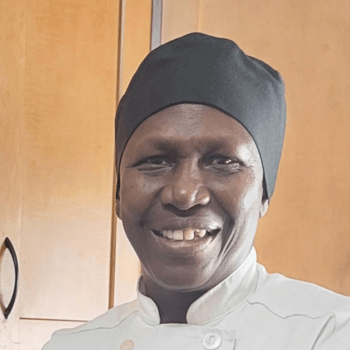
“Am I too old (or too young) to start?” Culinary programs attract students across the entire age spectrum. Career changers in their forties, fifties, and beyond regularly enroll alongside recent high school graduates. Your age brings valuable perspective—life experience, professional maturity, or youthful energy—that can enrich your education and eventual career. The industry values skill and dedication over birthdate.
*Information may not reflect every student’s experience. Results and outcomes may be based on several factors, such as geographical region or previous experience.
“I don’t have professional kitchen experience.” That’s one reason why culinary school exists! Programs are designed for students who are seeking to develop their foundational skills and gain practical experience. Chef Instructors expect to work with developing cooks. Your willingness to practice and pursue growth matters far more than your current skill level.
“What if I’m not talented enough?” Culinary skill can be developed through practice, repetition, and mentorship. The vast majority of successful culinary careers are built on learned technique, persistence, and continuous improvement. A growth mindset, or believing you can develop abilities through effort, can be more important in charting your path to culinary success.
Questions for Honest Self-Assessment
Before enrolling, reflect on a few key questions about your goals and readiness:
- Time commitment: Can you dedicate approximately 15–23 hours per week (depending on program, credential, and personal pace) to coursework, practice, and study? Online culinary programs can give you the flexibility to study on your time, but they still require a regular commitment over a long period.
- Physical demands: Culinary work can involve standing for extended periods, working in heat, performing repetitive motions, and managing fast-paced environments. Are you prepared for these realities?
- Learning style: Do you thrive with hands-on, experiential education? Culinary training emphasizes doing rather than just reading or listening.
- Career vision: Have you considered where you want to be in three to five years? Even a broad direction—restaurant work, food media, private chef services—can help focus your education.
- Financial preparation: Have you explored your realistic options for funding your education?

Considering what it could take to enroll in culinary school can help you determine if you’re ready.
Setting Strategic Career Goals for Your Culinary Journey
Defining Your Culinary Career Vision
The culinary world offers remarkably diverse career paths. Fine dining, catering, food styling, restaurant management, private chef work, food writing, product development, culinary education, and hospitality entrepreneurship represent just a fraction of where culinary training can lead. Your career might even wind through several of these areas over time.
As you consider culinary school, think about what draws you most strongly. Do you crave the creative expression of menu development? The entrepreneurial challenge of running your own operation? The mentorship aspect of teaching? The precision of pastry work? There’s no single “right” path, and your goals will likely evolve as you gain exposure to different culinary disciplines.
Distinguish between short-term and long-term aspirations. Short-term goals might include developing fundamental techniques, excelling in your externship, or landing your first line cook position. Long-term goals could involve opening your own establishment, earning industry recognition, or pioneering new culinary concepts. Both timelines matter, and importantly, flexibility serves you well; the career you initially envision may transform as new opportunities emerge.

Several people in chef’s uniforms work side by side in a brightly lit restaurant kitchen.
Creating Your Culinary Career Roadmap
A successful first year often balances academic, professional, and personal milestones. Academically, you may progress from foundational skills toward more complex techniques and concepts, preparing for hands-on industry externships where you can apply classroom learning in real professional kitchens.
Professionally, consider building your network and personal brand from the beginning. You might connect with classmates, engage with Chef Instructors, follow industry trends, or consider how you’ll eventually position yourself in the job market. What’s your culinary perspective? What environments energize you?
Be prepared to take care of yourself, too. The culinary field can be demanding physically, mentally, and emotionally. Successful long-term careers typically require attention to work-life balance, self-care, and sustainable habits. Students who thrive typically establish boundaries and support systems early.

*Information may not reflect every student’s experience. Results and outcomes may be based on several factors, such as geographical region or previous experience.
Leveraging Educational Resources for Goal Achievement
A strong culinary program offers more than lessons and labs. Career services can help you identify opportunities, refine your professional materials, and navigate the job search process. Experienced Chef Instructors can offer mentorship grounded in real industry experience from people who’ve faced similar challenges and can provide perspective that no textbook can match.

Mentors can offer invaluable advice as you transition from culinary education to the culinary workforce.
The connections you build during your program can become some of your most valuable assets as your career unfolds. The culinary world may be vast, but it thrives on relationships. Fellow students can become future colleagues, collaborators, and employers. And through specialized concentrations, you could tailor your education to match your goals and passions.
Paying for Culinary School: Make a Smart Plan (Not Just a Hope)
Understanding the Investment
When you see culinary education as a career investment rather than an expense, its value can come into sharper focus. The time, money, and effort you put in can lead to skills that compound over decades, professional credibility that opens doors, and connections that expand your opportunities and earning potential.
Consider the full picture of what may be included: hands-on instruction from experienced professionals, access to professional-grade equipment and facilities, structured externship opportunities, career support services, and a credential that may signal competence to employers. Compare this investment not just to the dollar cost but to the potential career earnings, job satisfaction, and opportunities that formal training can help create over a decades-long career.
Exploring Financial Aid and Funding Options
Many students don’t realize the range of funding options that might be available. Financial aid is available for those who apply and qualify, and federal financial aid through the FAFSA process could significantly offset costs. The FAFSA timeline can align well with January enrollment; applications typically open October 1st for the following calendar year, giving you time to understand your eligibility before starting classes.
Beyond federal aid, look into scholarships specifically designated for culinary students. Some are merit-based, others focus on specific demographics or career goals. Veterans and military-affiliated students might explore education benefits they’ve earned through service. If you’re currently employed, some employers offer tuition assistance programs, so consider checking whether your company provides this benefit.
Payment plans and financing options can provide additional flexibility for managing education costs. Many institutions work with students to create payment structures that accommodate different financial situations.

Prospective students should consider exploring financial aid options that may be available, which could reduce the cost of attending culinary school.
Budgeting for Your Transition
Try creating a realistic budget that accounts for both expected and unexpected expenses during your time in school. Beyond tuition, consider costs for supplies, transportation, housing if your program requires you to relocate, and reduced income if you’re leaving a job to attend a full-time program.
Part-time work can supplement your finances, but balance is important; you’ll need to ensure your schedule allows adequate time for coursework and skill practice. Building a modest emergency fund before starting can provide cushioning for unexpected expenses and reduce financial stress during your program.
Don’t overlook potential tax benefits of education expenses. Depending on your situation, educational costs may be deductible or qualify for credits. Consult with a tax professional about your specific circumstances.
Long-term Financial Planning
Think about return on investment over time. You have the opportunity to build skills that can grow more valuable with experience. Early career culinary positions may offer modest pay, but as you develop expertise, specialize, and potentially move into leadership or entrepreneurship, your earning potential may increase significantly.

*Information may not reflect every student’s experience. Results and outcomes may be based on several factors, such as geographical region or previous experience.
Career advancement in the culinary field can depend on your skill, creativity, and professional reputation, and formal education can help establish each of those assets. Start thinking ahead to externships and post-graduation employment, as these experiences can shape your trajectory and earning potential.
Could Escoffier Be Right for You? Key Things to Consider
Auguste Escoffier School of Culinary Arts emphasizes a hands-on, industry-focused curriculum designed to prepare students for real culinary careers. The approach centers on practical application, developing foundational techniques and proficiency that actual kitchen work demands.
One thing that sets Escoffier apart is its flexible learning options. Students can choose in-person programs at Escoffier’s campuses in Boulder and Austin for a traditional, immersive experience, or opt for online programs that can make it easier to balance school with work or family life.
Online and on campus programs at Escoffier both include required hands-on industry externships, opportunities to put your skills to work in actual professional kitchens, where you can gain experience and build connections that could serve you in your career post-graduation.
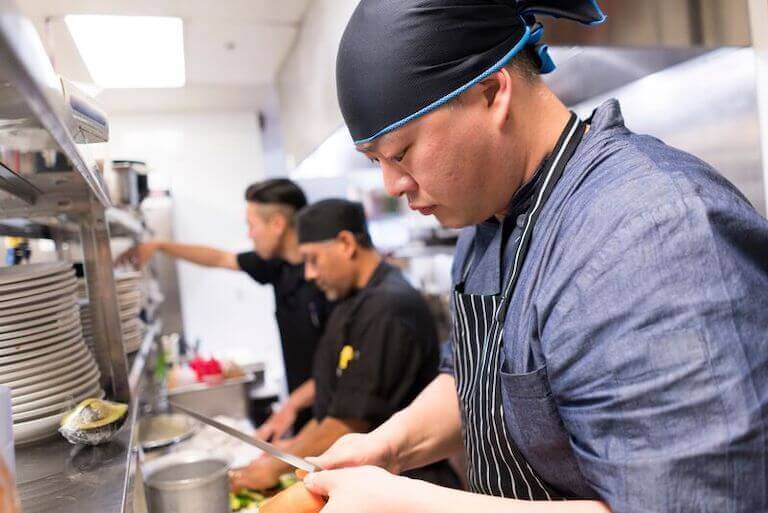
Externships give Escoffier students the opportunity to gain experience, build connections, and put their skills to the test.
Evaluating Program Fit
In addition to evaluating the learning environment that may work best for you, you should also consider which program may be the best fit for your life and career goals.
Escoffier offers programs across six major disciplines:
- Culinary Arts
- Baking & Pastry Arts
- Food Entrepreneurship
- Plant-Based Culinary Arts
- Holistic Nutrition & Wellness
- Hospitality & Restaurant Operations Management
These program options can make it easier to align your studies with what excites you most. Whether you’re more interested in baking than cooking, or in managing operations rather than being behind the stove, Escoffier has a path that could help you focus your training accordingly.
You should also consider which type of credential may be suited to your goals and time commitment. Escoffier offers associate degree and diploma programs. In general, diplomas may be earned over a shorter period of time and focus on a specific set of skills; associate degree programs typically last longer and go more in-depth on topics, teaching both the practical and theoretical skills involved in a given subject.
Support Systems for Student Success
Escoffier’s Career Services department offers support throughout your time as a student that can even extend beyond graduation. From resume development to job search assistance, ongoing support can help bridge the gap between school and the workplace. Escoffier’s alumni network can provide lasting connections with former students who’ve navigated similar paths and can offer guidance, opportunities, and mentorship.
If you have any questions about how Escoffier can help students like you before, during, and after your time in school, reach out to Admissions for more information.
How You Can Turn Your New Year Career Resolutions into Reality
Making Your Resolution Stick
New Year’s resolutions can easily fail when they’re vague aspirations rather than specific, actionable commitments. “Get healthier” can fail; “exercise three times weekly” can more easily succeed. Similarly, “pursue culinary dreams” can be too abstract, while “complete culinary program applications by January 15th” creates concrete direction. Here are a few suggestions for how you could make your resolution last through January and beyond.
Build accountability systems around your goals. Share your plans with people who will support and check in on your progress, like mentors, family members, co-workers, and friends who understand your ambitions. Consider finding peers who are also considering culinary education; mutual encouragement can strengthen commitment.
Celebrate incremental wins along the way. Completing your application is an accomplishment worth recognizing, and an acceptance deserves celebration. Acknowledging small milestones like these can help you maintain motivation during the longer journey toward graduation and career.
Adjust expectations while maintaining commitment. You might encounter unexpected challenges. A class that’s harder than anticipated, financial pressure requiring part-time work, personal circumstances demanding flexibility. Successful students often adapt their approach without abandoning their fundamental goal. Escoffier’s student services can be a resource for finding help along the way, whether that means reaching out to a Success Coach, connecting with the Career Services department for job search help, or contacting other support services.

Developing a support system – friends, coworkers, fellow students – can help you stay motivated and accountable during your program.
Get Ready for Day One of Culinary School: A Pre-Start Checklist
You can help prevent last-minute stress by making sure you understand application requirements, timelines, and key deadlines. Research specific dates for the programs you’re considering, including application deadlines, financial aid submission dates, housing deposits if relevant, and orientation schedules. A few other logistical considerations can include:
Gather necessary documentation early: this can include transcripts from previous education, financial aid paperwork, identification documents, and any other materials required for enrollment. Having everything ready to go can make it simpler to complete the final steps and begin your program.
Plan your transition thoughtfully. If you’ll be leaving your job, review your notice policy and map out how you’ll cover expenses during the transition. Have family discussions about schedule changes, financial adjustments, and how household responsibilities might shift during your education. These conversations can help prevent surprise conflicts later.
Mental preparation matters as much as logistics. It’s natural to feel a little anxious when starting something new. Acknowledge the nerves, then put that energy to work by preparing: researching, getting a feel for the student experience, familiarizing yourself with culinary fundamentals.
Building Momentum Before You Start
The weeks between enrollment and your start date offer opportunities to build foundation and confidence. Reading culinary literature, whether technique manuals, chef memoirs, or food history, can help you get familiar with industry language and concepts. You don’t need to memorize everything, just develop comfort with culinary conversation. You might also try the following:
Practice basic techniques at home. Work on basic chopping, try fundamental preparations, experiment with flavors. The goal isn’t to be perfect, but to build some familiarity so your classes expand on what already interests you.
Follow culinary professionals across social media and industry publications. Understanding current trends, debates, and innovations can help you appreciate where the field is heading and what conversations you’ll soon join professionally.
Finally, consider preparing physically for the demands of culinary work. If you’re not accustomed to standing for hours, you might want to begin building that stamina. Focus on core strength, flexibility, and general fitness.
Ready for Your Culinary Future to Begin?
It can take courage to acknowledge that your current path isn’t fulfilling your potential and to commit resources toward something different. Doubts are normal and don’t indicate you’re making the wrong choice; they show you’re taking the decision seriously.
January enrollment at Escoffier can offer unique advantages: psychological momentum from new beginnings, practical calendar-year timing benefits, and strategic positioning within industry hiring cycles.
The new year can be the ideal moment for a new beginning. If you think this year could be your moment, consider reaching out to Escoffier admissions to see what it could take to enroll, and to let the next stage of your culinary journey begin!