

Listen to This Article:
The terms “baking” and “pastry” often get lumped together, which is understandable—baked goods and pastries are each usually oven-baked and often involve dough, which would seem to place them in the same corner of the culinary world.
However, the jobs of baker and pastry chef differ significantly. A baker primarily focuses on high-volume production of breads, rolls, bagels, muffins, cookies, and other baked goods, while a pastry chef specializes in pastries, plated desserts, confections, decorative work, and works extensively with creams, custards, chocolate, sugar, laminated doughs, and dessert presentation.
They can have different levels of experience as well. “Baker” can be an entry-level position, but “pastry chef” is a title that comes with more experience, is often a managerial role, and may oversee an entire pastry department.
Keep reading to find out more about the difference between a pastry chef and a baker, and explore which career path might be right for you.
What’s the difference between a baker and a pastry chef?
Once you move past the basics of what each role involves, the day-to-day realities start to look quite different. From the hours you keep to the type of creativity you exercise, these careers tend to attract different working styles and personalities.
Baker vs. Pastry Chef: At a Glance
If you’re trying to decide between these two paths, here’s what each career typically looks like in practice.
| What You Need to Know | Baker | Pastry Chef |
| Can I start without experience? | Yes – baker can be an entry-level position. | No for Chef, Yes for Cook – “Chef” is a senior, managerial role; entry-level pastry cook roles require less experience. |
| What will I make every day? | • Breads, rolls, and croissants • Cookies, pies, and tarts • Sweet & savory breakfast pastries |
• Restaurant/plated desserts • Fine pastries & viennoiserie • Chocolates, confections, & custards |
| What are the hours like? | Early mornings: Shifts commonly start before sunrise (3:00 AM – 5:00 AM). | Varies by setting: Afternoon/evening shifts in restaurants; early mornings in pastry shops. |
| How much can I earn? | Average: $35,201/year Range: $32,951 – $37,746 (Salary.com, June 2026) |
Average: $69,600/year (Managerial) Range: $61,504 – $80,181 (Salary.com, June 2026) |
| Where might I work? | • Retail & wholesale bakeries • Grocery stores & cafés • Commercial production facilities |
• Restaurants & hotels • Patisseries & bistros • Specialty cake & dessert shops |
| What’s the daily focus? | High-volume production, consistency, and honing technique through repetition. | Menu development, artistic plating, flavor composition, and detailed presentation. |
| Can I open my own business? | Yes – retail bakery, cottage industry, wholesale operations, and more. | Yes – Specialty pastry shop, custom wedding cake business, dessert boutique, and more. |
| Will I manage people? | May supervise a production line or baking team as you advance. | Likely Yes – Typically manages a kitchen brigade of pastry cooks and assistants. |
Both paths offer the satisfaction of working with your hands and creating products people love, but the rhythm of your workday and the skills you develop can vary considerably depending on which direction you choose.
What Does a Pastry Chef Do? (Roles, Duties & Day-to-Day)
Any culinary role that contains the word “chef” is typically an advanced one. Chefs are supervisors and leaders in the kitchen, and the pastry chef is no exception. Pastry chefs create dessert menus and recipes in restaurants, pastry shops, and patisseries. They may be in charge of or own a bakery or pastry shop, or they might work in a specialty shop or run the pastry department at a large hotel or resort.
Although they may work under the supervision of an executive chef, the pastry chef is generally in charge of their own department. They may work independently or they may supervise a small team of pastry cooks.
Career Progression in Pastry
Most pastry chefs don’t start with that title. Here’s how the career ladder may look:
| Stage | Role | What You May Do | Potential Timeline |
| Entry | • Pastry Cook • Commis Pastry |
• Execute base recipes exactly to spec • Assist senior staff with daily prep (mise en place) • Learn foundational techniques and kitchen safety |
Starting point |
| Mid-Level | • Pastry Cook II • Demi Pastry Chef |
• Manage specific stations independently • Handle more complex components (decorations, doughs) • Refine speed, consistency, and efficiency |
2-4 years |
| Advanced | • Pastry Chef de Partie | • Oversee a dedicated section (e.g., chocolates, breads) • Quality-check plates before they leave the station • Train and mentor junior entry-level cooks |
4-7 years |
| Advanced | • Pastry Sous Chef | • Serve as second in command in the pastry department • Assist the Executive Pastry Chef • Balance advanced technical execution with kitchen organization and quality control |
5-8 years |
| Leadership | • Pastry Chef • Executive Pastry Chef |
• Conceptualize menus and design dessert flavor profiles • Manage labor costs, food waste, and supplier relationships • Recruit, schedule, and lead the entire pastry team |
5-10+ years |
Pastry Chef in French
A dessert chef is often called a pastry chef or a patissier. The term for “pastry chef” in French is “pâtissier” (for a male) or “pâtissière” (for a female). It’s derived from the word “pâtisserie,” which means “pastry.”

Pastry chef is a specialized role that often involves detailed work and managerial responsibilities.
In a restaurant, pastry chefs often do very detailed work, plating and decorating their creations with intricate piping or dots of sweet sauces. They’re also responsible for the non-baked elements of a dessert. If the dessert menu includes homemade sorbet, for example, the pastry chef will probably make it. Unlike a baker, a pastry chef usually won’t make bread or other savory baked goods.
The pastry chef’s daily experience varies considerably by workplace. In a hotel pastry kitchen, you might oversee a team producing breakfast pastries, banquet desserts, and custom cakes—high volume with advance planning.
In a fine dining restaurant, the focus narrows to a small dessert menu executed with precision for each service. In a standalone patisserie, you can balance production, customer interaction, and creative development of retail items. Each setting shapes the balance between artistry, volume, and business management.
What Does a Baker Do? (Responsibilities & Work Environments)
“Baker” is a more general job title than pastry chef, and a baker’s duties can include making a wide variety of baked goods.
Some bakers do a little bit of everything, while others choose to focus on a specific niche. But overall, bakers may make both sweet and savory baked goods, from bread, cakes, and cookies to ham and cheese croissants or focaccia. Unlike pastry chefs, they usually won’t have to be experts in chocolate, sugar sculptures, ice cream, and other sweets.
A baker is usually not a manager, and they typically follow recipes rather than create their own. But that doesn’t mean they don’t need education and training. Bakers must understand the science behind their baked goods, and must know how to operate commercial baking equipment. They may also have to scale recipes up or down, so they’ll need to know their baking math.
Baker Career Progression Table
Most bakers start at entry level and can advance through experience and skill development. Here’s how the progression may look:
| Stage | Role | What You May Do | Potential Timeline |
| Entry | • Apprentice Baker
• Baker’s Assistant |
• Prep raw ingredients and scale recipes accurately
• Monitor proofing times and basic oven loads • Maintain strict kitchen sanitation and equipment safety |
Starting point |
| Mid-Level | • Lead Baker
• Baker II |
• Manage specific products (breads, pastries)
• Adjust recipes for volume • Guide and train entry-level assistants |
2-4 years |
| Advanced | • Head Baker
• Bakery Manager |
• Oversee entire daily production sheets and output
• Manage ingredient inventory, vendor ordering, and costs • Ensure product consistency across different shifts |
4-7 years |
| Leadership | • Bakery Owner / Entrepreneur
• Certified Master Baker |
• Develop signature menus and proprietary formulas
• Direct business operations, marketing, and profitability • Pursue elite industry credentials or scale operations |
7+ years |
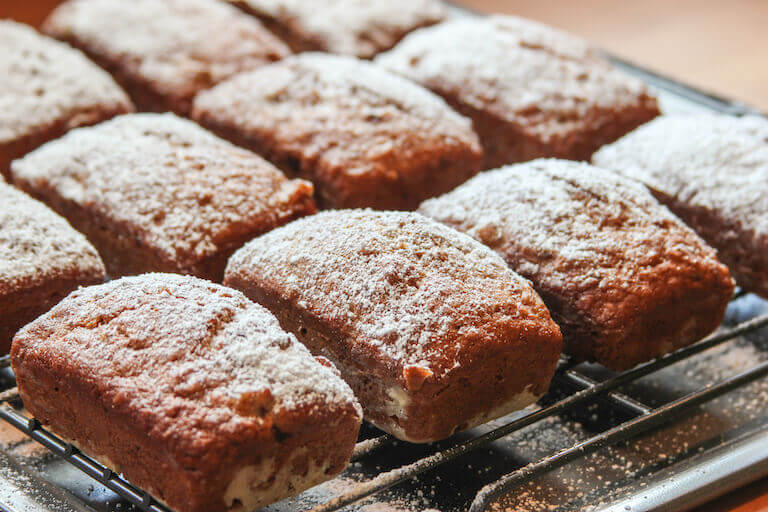
A baker’s responsibility often includes making large amounts of baked goods.
Bakers may also do less decorative work than pastry chefs. Pastry chefs can make complex plated desserts, while bakers spend their days making a high volume of simpler baked goods. They may do some cake decorating, like adding some basic piping, but any intricate decorating is usually reserved for cake decorating or design specialists.
A baker’s workplace shapes the daily rhythm considerably. In a retail bakery, they often start before sunrise to have fresh bread and pastries ready when the doors open, working directly with customers and adjusting production based on what sells.
In a grocery store bakery, the focus is high-volume consistency—making the same products day after day to stock the shelves. In an artisan bakery, they might work with natural starters and long fermentation times, developing specialty breads and building a reputation for craft.
Production facilities operate on a larger scale entirely, supplying restaurants, hotels, or wholesale accounts with bulk quantities on tight schedules.
Baker vs. Pastry Chef: Skills You May Need
While bakers and pastry chefs share foundational knowledge in baking science and technique, the skills each role emphasizes can differ significantly. Understanding these distinctions can help you figure out which path suits your strengths and interests.
Skills Comparison Table
| Skill Area | Baker | Pastry Chef |
| Technical Focus | • Dough fermentation & yeast management
• High-volume production workflows • Large-scale recipe formulation |
• Chocolate tempering & sugar artistry
• Multi-component plating & composition • Custards, mousses, & gelatins |
| Creative Emphasis | • Consistency & Precision: Achieving structural perfection through identical repetition. | • Innovation & Aesthetics: Designing new dessert menus and artistic visual presentations. |
| Physical Demands | • High-stamina standing & movement
• Heavy lifting (bulk flour sacks/dough troughs) • Gross motor strength for manual kneading/shaping |
• High-stamina standing & leaning
• Fine motor control for intricate decorating • Hand-eye coordination for delicate piping/plating |
| Business Skills | • Daily production macro-scheduling
• Bulk ingredient inventory management • Ingredient yield optimization & waste tracking |
• Micro-menu costing & margin management
• Seasonal ingredient menu planning • Culinary team leadership & kitchen supervision |
| Math & Science | • Baker’s percentages & hydration formulas
• Microbial science of wild & commercial yeasts • Thermal mass optimization for dough temperatures |
• Precise metric measurements & scaling
• Chemistry of lipid/liquid emulsions & sugars • Thermodynamic control for delicate proteins |
Both roles require stamina, attention to detail, and the ability to work efficiently under time pressure. The difference lies in the focus.
Bakers lean heavily on consistency—perfecting a sourdough recipe and executing it flawlessly batch after batch.
Pastry chefs balance consistency with creativity, developing new desserts while maintaining exacting standards for plating and presentation.
Can You Be a Baker and a Pastry Chef?
Many professionals start in one role and transition to the other, or work in settings where they handle both bread and pastry. The overlapping foundation in baking science can make switching or hybrid roles more feasible than in other culinary specialties.
If you’re drawn to both, programs that teach baking and pastry together (like those at Auguste Escoffier School of Culinary Arts) can give you the flexibility to explore both paths before specializing through your externship and early career choices.
Baker and Pastry Chef Salary Factors: What Affects Your Pay
Geographic location: Pastry chefs in major metropolitan areas with thriving fine dining scenes often command higher salaries than those in smaller markets. Bakers in cities with strong artisan bakery cultures can see similar geographic advantages.
Experience and credentials: A pastry chef with ACF certification and a decade of experience running a hotel pastry department will earn considerably more than someone in their first pastry chef role. A Certified Master Baker with specialized skills in artisan bread can earn at the higher end of the baker salary range.
Type of establishment: Pastry chefs in luxury hotels or Michelin-starred restaurants typically earn more than those in casual dining. Bakers at specialty artisan bakeries might earn more than those at grocery store bakeries, though production facility positions can offer competitive wages and benefits.
Entrepreneurship opportunities: Both paths offer business ownership possibilities that can change the earnings equation entirely—from retail bakeries and wholesale operations to wedding cake businesses and patisseries.

Get the Home-Based Bakery Guide
Ready to kickstart your flexible food venture from the comfort of home? Discover secrets to pricing, social media marketing, and more in this guide to launching your home-based bakery!
Baker and Pastry Chef Education, Training & Certifications
Pastry and baking are both scientific disciplines, so formal training can be very helpful in nailing down the basics and advancing to more technical and difficult recipes. Anyone hoping to follow either path should consider getting a degree or diploma in baking and pastry or taking professional baking classes. Education is one of the best ways to build a solid foundation in baking science and to explore the different kinds of doughs and pastries.
Degree and Diploma Options
Escoffier offers baking and pastry programs as:
- Diplomas: Faster, more focused on hands-on skills
- Associate degrees: Broader curriculum including business and nutrition coursework
Both typically cover the full spectrum—breads, viennoiserie, and artisan baking alongside cakes, plated desserts, chocolate work, and decorating—and can give you a foundation before you specialize.
Escoffier’s programs are available online and on-campus. The on-campus experience is an in-person environment, while the online format combines flexible learning with real-world application through live and recorded chef-led sessions, and kitchen labs. Both include at least one hands-on industry externships where students choose their own focus — a bakery, a restaurant pastry department, or beyond.
Industry Certifications
Beyond a degree or diploma, several reputable culinary industry groups offer additional education and certification. The American Culinary Federation recognizes Certified Master Pastry Chefs™, Certified Executive Pastry Chefs™, and Certified Pastry Culinarians™.
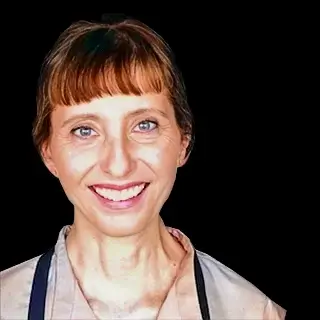
The Retail Bakers of America offers baking-focused certifications for Journey Bakers, Certified Bakers, and Certified Master Bakers. Colette Christian, Escoffier Pastry Chef Instructor, is a Certified Master Baker through the RBA and an ACF Certified Executive Pastry Chef™. She had to bake dozens of perfect pastries over two days to earn the RBA title.
Why Are Baking and Pastry Taught Together at Escoffier?
Although the day-to-day jobs are different, there’s enough overlap in skills that it makes sense to teach future bakers and pastry chefs together in pastry school. Both professionals need to know the principles of baking and the science behind why a recipe works. They need to understand different baking techniques and how to work at scale, making larger or smaller batches of product based on the needs of the business, and they both need some decorating skills.
Equipped with these same building blocks, students on both paths can go on to learn more in the workplace and grow into their future careers.

Should You Be a Baker or a Pastry Chef?
If you’re drawn to both baking and pastry, a few key questions can help clarify which direction might be the better fit.
Work Style: Consistency vs. Creativity
Do you thrive on high-volume consistency—perfecting a sourdough formula and executing it flawlessly day after day? Or does the idea of developing new plated desserts, adjusting flavors, and focusing on artistic presentation sound more compelling? Bakers tend to find satisfaction in repetition and production rhythm, while pastry chefs often prioritize creative refinement and menu development.
Schedule: Early Mornings vs. Varied Hours
Are you a morning person who doesn’t mind starting work before sunrise? Baker schedules often begin at 4 or 5 a.m. to have fresh product ready when doors open. Pastry chef hours vary more by setting—afternoons and evenings in restaurants, mornings in pastry shops—but rarely require the predawn starts that bakery production demands.
Career Goals: Craft Mastery vs. Leadership
If you’re aiming for a leadership role with menu development responsibility and team management, the pastry chef track may align with that progression. If you’re more interested in craftmanship, owning a retail bakery, or working in artisan bread production, the baker path can offer those opportunities. Both roles can lead to business ownership, but the business models look different—retail bakeries and wholesale operations for bakers, patisseries and wedding cake studios for pastry chefs.
Learning Approach: Following Recipes vs. Developing Your Own
Do you prefer working from established recipes and honing technique through practice, or do you want to develop your own recipes and experiment with flavor combinations? Bakers typically work from set formulas, while pastry chefs often create and modify recipes as part of their role.
The good news? You don’t have to choose immediately. Programs that teach both baking and pastry—like those at Escoffier—can allow you to build skills in both areas before specializing through externship choices and early career decisions.
Where Can the Baking and Pastry Arts Take You?
What if you know you want to bake, but don’t know if you’d rather build a career in a busy bakery or a fine dining pastry department? That’s okay! The first step on both paths is to get that foundational education.
Contact our Admissions Department to find out more about how studying at Escoffier could help you discover where your passions lie within the world of baking and pastry arts.
TO EXPLORE MORE CAREER OPPORTUNITIES IN BAKING AND PASTRY, TRY THESE ARTICLES NEXT:
- How to Start a Bakery Business from Home
- What Are the Career Opportunities in Baking and Pastry?
- What Do Pastry Chefs Do? A Behind-the-Scenes Look at the Role, Responsibilities, and Realities
This article was originally published on January 27, 2022, and has since been updated.
FAQs
Bakers are often generalists who make a wide variety of sweet and savory baked goods like breads, cakes, pies, rolls, and more, typically following established recipes. Pastry chefs specialize in desserts and sweets, often creating their own recipes and menus, and may also work with non-baked items like custards, chocolates, and ice cream. Pastry chef is also typically a more senior, managerial role than baker.
Formal education isn’t required, but baking and pastry are scientific disciplines where foundational training can make a difference. A degree or diploma can help students understand baking science, develop experience with different doughs and techniques, and work at scale. For those aiming for pastry chef roles especially, culinary credentials can signal the expertise and professionalism that higher-end employers often expect.
There’s no fixed timeline, but pastry chef is a senior role that often requires both formal training and kitchen experience. Pastry chefs may start in entry-level baking or pastry cook positions and advance over several years. A diploma or degree in baking and pastry arts can potentially help build up foundational skills and techniques more efficiently.
For those passionate about the precision and artistry of desserts and baked goods, a pastry chef career can be rewarding. The role combines technical skill, creativity, and leadership, and may even offer higher earning potential than baker positions. Like most culinary careers, advancement typically requires a combination of formal training, hands-on experience, and a willingness to continually refine your craft.
Because pastry chefs carry more responsibility and typically hold managerial roles, they generally earn more than bakers. According to Salary.com, the average annual salary for a pastry chef is around $69,600, while the average baker earns approximately $35,201 (as of June 2026). Actual compensation varies based on experience, education, type of establishment, and geographic location.