
Listen to This Article:
As a high school educator, you know field trips can be incredible teaching tools, but they can also pose a logistical challenge. From transportation and budget concerns to permission slips and competing class schedules, the bar for what makes a field trip “worth it” can be high.
But the right excursion can make the effort worth it. When a student who’s spent weeks practicing knife cuts in your lab watches a prep cook break down proteins at blistering speed, the connection between lesson plan and real-world culinary career can click.
Fortunately, you might have more options than you realize.
Local restaurants, farms, food manufacturers, and hospitality venues could be fantastic extensions of your kitchen. But so could a virtual tour, a culinary school campus visit, or a live online workshop your class can join without ever boarding a bus.
Whether you’re expanding a curriculum you’ve been refining for years or trying to plan your very first outing, find out how you can choose the right experience, and how you can make sure the lessons stick long after the trip is over.
Local, In-Person Field Trip Ideas
Your community likely has a variety of culinary field trip options. The key is to match the destination to your current lessons so the experience can directly reinforce your curriculum.
Restaurants and Hotel Kitchens
A back-of-house kitchen tour can be one of the most direct connections you can make between classroom learning and industry reality. Students can see how the kitchen brigade structure works and how a professional kitchen manages food safety and mise en place, and what the pace of a working kitchen looks like up close.
When reaching out, ask to speak with the general manager or executive chef directly and request a visit during a non-service window — mid-afternoon, when the kitchen is deep in prep but not running a full line, could work well for groups.
Hotel kitchens can offer something a single restaurant often can’t. Many hotels run multiple food and beverage operations simultaneously — a restaurant, a banquet kitchen, room service, and catering — which means students may encounter a wider range of culinary roles in a single visit.
Banquet and catering kitchens in particular tend to run on more predictable prep schedules with larger production spaces, which can make them more accommodating for a small group than a tighter independent restaurant kitchen. Look for the food and beverage director as your point of contact when reaching out.
Bakeries and Pastry Shops
Many bakeries operate on a different schedule than restaurant kitchens so it could be helpful for students to experience both. Students can see what it looks like to scale recipes, manage proofing times, and run multiple items simultaneously.
This field trip can also help students get a clearer picture of the difference between retail and wholesale operations. Artisan bakeries, chocolatiers, and specialty pastry shops each show something slightly different. If you have more than one option locally, consider which aligns best with what you’re currently teaching.
Get the Culinary Education Planner & Checklist
Are you ready to embark on your journey to culinary school? Utilize this planner to craft a clear and actionable educational path.
Farms and Farm-to-Table Operations
Few field trips shift a student’s perspective on food as quickly as a farm visit. Seeing how ingredients are grown, harvested, and brought to market can help them better understand seasonality, sustainability, and the supply chain. This can be a memorable experience for students interested in farm-to-table cooking or urban agriculture.
To potentially make the logistics easier, look for working farms that already partner with local restaurants or culinary programs. Urban agriculture sites and community gardens can also be strong alternatives if a traditional working farm isn’t accessible in your community.
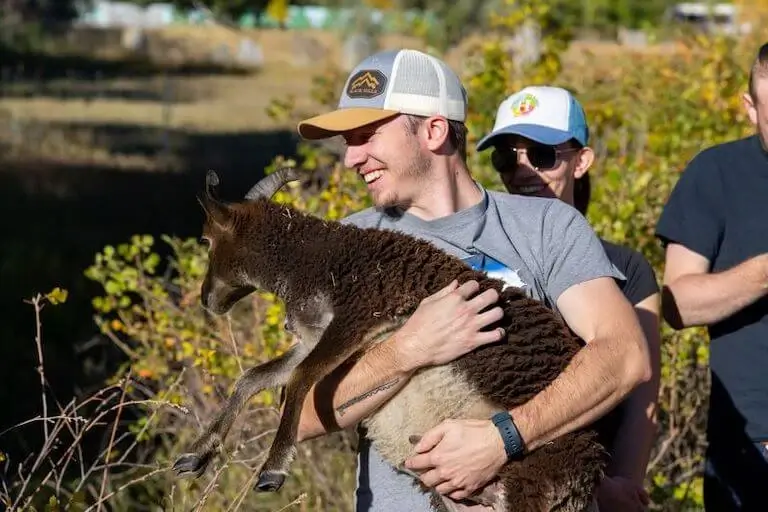
Hands-on farm visits can offer students a direct, memorable connection to sustainable agriculture and local food systems.
Farmers Markets and International Grocers
If you’re looking for high-impact experiences with minimal logistics, these two options could be among the easiest to coordinate.
A visit to a farmers market can put students in direct contact with local producers, allowing them to talk face-to-face with the people growing the food, providing a practical, real-world lesson in seasonal sourcing and vendor relations.
Touring an international grocery store could introduce students to ingredients, flavor profiles, and culinary traditions that may be entirely new to them. It can be an accessible way to expand their palate and encourage global culinary curiosity.
Both options tend to be free, require minimal advance planning, and can work well as shorter excursions that don’t consume a full school day.
Food Banks and Community Kitchens
A visit to a food bank or community kitchen can show students a side of the culinary world that doesn’t get much attention in career conversations. Students can see quantity cooking, budget-conscious menu planning, and the logistics of feeding large numbers of people using limited resources. It also highlights the service side of culinary work, which could resonate with some students.
Many food banks welcome student groups, and some offer structured volunteer or observation opportunities.
In-Person Field Trip Quick Reference
| Destination | What Students See | Curriculum Connection |
| Restaurant or hotel kitchen | Brigade structure, mise en place, food safety in service | Kitchen operations, food safety, culinary careers |
| Bakery or pastry shop | Production scaling, proofing, retail vs. wholesale | Baking and pastry techniques, food entrepreneurship |
| Farm or farm-to-table operation | Harvesting, sourcing, seasonal ingredients | Sustainability, farm-to-table concepts, supply chain |
| Farmers market or international grocer | Local producers, global ingredients, sourcing conversations | Seasonality, global cuisines, ingredient knowledge |
| Food bank or community kitchen | Quantity cooking, budget menu planning, food service logistics | Volume cooking, menu planning, food systems |
Visiting a Culinary School Campus
Most field trips show students what a culinary career can look like. A culinary school campus visit can show them what getting a culinary education can look like. It can also be eye-opening for high-schoolers who might otherwise have only considered four-year universities.
Virtual tours can help high school students begin exploring culinary school if they can’t attend in-person.
Auguste Escoffier School of Culinary Arts welcomes high school groups at both its Austin, Texas, and Boulder, Colorado campuses. A typical visit can include:
- A guided tour of professional kitchens and labs
- The opportunity to observe a live culinary or pastry class in session
- Time with Chef Instructors and admissions staff to ask questions about programs and career paths
To help students get the most out of the visit, have them prepare two or three questions in advance. When they arrive ready to ask about coursework, externships, or graduate career paths, the trip can transform from a passive tour into a great conversation, and students can leave with a clearer picture.

For high school juniors or seniors who come away from a campus visit wanting to take things further, the Young Escoffier High School Scholarship competition can be a natural next step. Held both on campus and virtually, the competition offers a participation scholarship to all registered competitors, with top finishers eligible for additional scholarship awards.
Go behind the scenes at the 2026 Boulder Campus Young Escoffier scholarship competition.
Bring the Field Trips to Your Students
When a campus visit isn’t possible, you can bring the industry to your students. Plus, it can save you from chasing down permission slips and coordinating buses, while still giving your kids valuable exposure.
A few ideas that can work well in a classroom or school setting include:
Food Truck Visit
Find a local food truck owner willing to bring their truck to your school. Students can tour the truck, ask questions about running a food business, and hear more about how the owner got started.
A food truck visit can give high school students a realistic look at equipment constraints, compact workflows, menu engineering, and the entrepreneurial side of running a business. It’s a fast-paced environment that should easily hold their attention. Best of all, these visits can often be arranged at no cost, or you can support the business by purchasing a few sample dishes for the class to share.

Culinary Professional Guest panel
Invite several culinary professionals to your classroom to sit on a panel for a student Q&A. You could include an executive chef, pastry chef, caterer, farm-to-table producer, and food entrepreneur. These conversations can help students who think culinary careers only happen in restaurant kitchens gain a broader perspective.
Keep it conversational, give students time to prepare questions in advance, and let the discussion go where students take it. Local culinary alumni networks, community connections, and even Escoffier graduates in your area can be good places to find panelists.
Virtual Campus Tour
For classes that can’t make the trip to Austin or Boulder, Escoffier offers pre-recorded video campus tours you can stream anytime. To take it a step further, a representative can chat by phone with your students and answer their questions.
Live Virtual Chef Demo or Q&A
Bringing a local chef or culinary professional into your classroom over video for a live demo or Q&A can be incredibly effective, especially when students have questions ready to go. The format can work well for schools in areas without easy access to culinary industry partners nearby.

Get the Guide to Culinary School Scholarships
Explore a wide range of scholarships and see how you can make your culinary education more affordable!
How to Help Any Field Trip Stick
Before you go, help students show up with a focus. Depending on where you’re headed, that might mean asking them to come up with two or three questions they want answered, like questions for the chef, the farm manager, the food truck owner, or whoever they’re going to meet.
It could also mean giving them something specific to look for. At an international grocery store, for example, ask students to identify three ingredients they’ve never cooked with and find out where they come from. At a restaurant kitchen, have them look for how the brigade structure they’ve learned about in class actually shows up on a working line.
During the visit, the most valuable thing students can do is be present. Ask them to put away their phones and pay attention to what’s in front of them.
Wrap up the field trip by having students reflect on the experience. A brief writing prompt or group discussion can help them process what they saw, often sparking new interests or questions. Follow up by providing the time and resources they need to investigate those questions further.
Escoffier’s complimentary educator resources include career counseling tools, self-evaluation worksheets, and program information that can support those follow-up conversations — and if a student wants to go deeper, a virtual Q&A session or campus visit could be a natural next step to offer them.
One Experience Can Change Everything
One well-chosen field trip can stick with a student long after the school year ends. For some, it confirms exactly what they already suspected about their potential. For others, it could open a door they didn’t even know was there.
The destinations and ideas in this article are just your starting point. Pick the ones that fit your curriculum, your community, and your students, and feel free to start with just one if that’s what’s manageable right now. A single visit to a local bakery, a food truck parked outside your school, or a virtual tour of a culinary campus can spark a conversation that changes how a student sees their entire future.
Escoffier’s free educator resources are available to help you build on those conversations after any field trip experience. And if your students are ready to see what a culinary education looks like in person, contact us to schedule a group campus visit or request a virtual session with an admissions representative or Chef Instructor.
LOOKING FOR MORE RESOURCES TO HELP HIGH SCHOOL STUDENTS INTERESTED IN CULINARY? READ THESE NEXT:
- 6 Ways to Afford Culinary School if You’re a High School Student
- What Every High School Student Should Know About Culinary School
- How To Shadow a Chef While in High School
FAQs
Yes, many chefs can be open to letting high school students observe their kitchens for short periods of time. Independent restaurants and bakeries may be more flexible than large corporate chains. It helps to be respectful, clear about your goals, and willing to work around their schedule.
Dedicated culinary schools focus all of their resources — facilities, faculty, career services, and curriculum — exclusively on culinary and hospitality education. Community colleges divide resources across many departments and programs. For students committed to a culinary career, a dedicated school may offer stronger industry connections, more specialized instruction, and career support focused entirely on the food and hospitality sectors.
Start with businesses that already have a connection to education: farms with culinary program partnerships, restaurants that participate in apprenticeship programs, or local chefs who are active in the community. Reaching out directly and being specific about what you’re asking for — a 45-minute back-of-house tour during a non-service period, for example — may get a better response than a general inquiry. Your local restaurant association or culinary alumni network can also be good starting points.
Auguste Escoffier School of Culinary Arts offers a library of free resources for culinary educators at escoffier.edu/educators, including tutorial videos, lesson plans, assessment tools, and career counseling materials. Teachers can also request a virtual session or schedule a group campus visit for students interested in exploring culinary education after high school.